
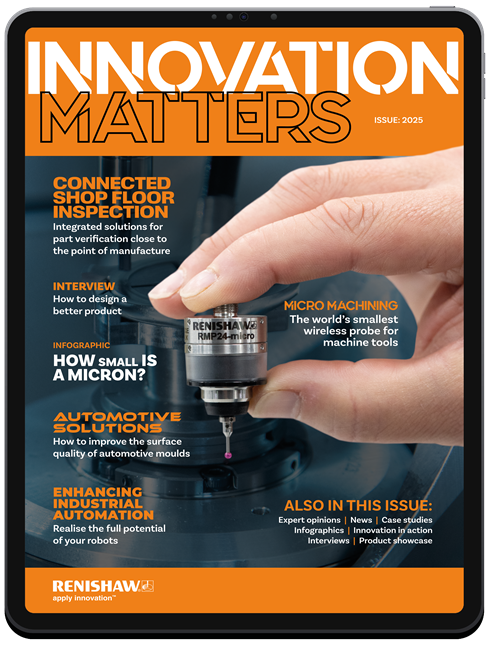
Manufacturing Technology Innovations 2025: Shaping the Future of Production
The manufacturing landscape is undergoing an unprecedented transformation, driven by a convergence of cutting-edge technologies. As we approach 2025, the industry is poised for radical shifts, moving beyond the concepts of Industry 4.0 towards a more autonomous, intelligent, and sustainable future. This comprehensive guide explores the most impactful manufacturing technology innovations that are set to redefine production processes, enhance efficiency, and build unparalleled resilience across global supply chains. From advanced robotics to hyper-personalized production, understanding these advancements is critical for any enterprise aiming to remain competitive and future-proof its operations in the rapidly evolving industrial sector. Prepare to dive deep into the digital revolution shaping tomorrow's factories.
The Dawn of Hyper-Connected Manufacturing: Industry 5.0 on the Horizon
While Industry 4.0 laid the groundwork for digital transformation, 2025 marks a clear acceleration towards what many are calling Industry 5.0. This evolution emphasizes not just connectivity and automation, but also the critical elements of human-centricity, resilience, and sustainability. Manufacturers are increasingly realizing that technology is a tool to empower human workers, create more robust systems against disruptions, and operate in an environmentally responsible manner. The focus shifts from pure automation to intelligent collaboration, where machines and humans work in harmony, leveraging each other's strengths for optimal output and innovation. This involves a deeper integration of data, artificial intelligence, and physical systems to create truly adaptive and responsive production environments.
Elevating Production with Advanced Robotics and AI
Robotics are no longer confined to repetitive, dangerous tasks. By 2025, advanced robotics, particularly collaborative robots (cobots), will be ubiquitous, working seamlessly alongside human operators. These intelligent machines, often powered by artificial intelligence (AI) and machine learning (ML), are becoming more adaptable, capable of learning new tasks, and even performing complex assembly operations with precision. AI's role extends beyond robotic control, revolutionizing quality control through computer vision systems that detect defects with unprecedented accuracy, far surpassing human capabilities. Furthermore, predictive maintenance, driven by AI algorithms analyzing sensor data from machinery, will minimize downtime by anticipating equipment failures before they occur, ensuring continuous production flow and significant cost savings.
- Human-Robot Collaboration: Cobots equipped with advanced sensors and AI for safe and efficient interaction with human workers on shared tasks.
- AI-Powered Quality Assurance: Vision systems and deep learning algorithms identifying microscopic defects, ensuring consistent product quality.
- Autonomous Mobile Robots (AMRs): Intelligent AMRs navigating factory floors to transport materials and finished goods, optimizing logistics and material flow.
- Robotics-as-a-Service (RaaS): Increased adoption of RaaS models, making advanced robotics more accessible to small and medium-sized manufacturers (SMMs) without significant upfront investment.
The Power of Digital Twins and Simulation
One of the most transformative manufacturing technology innovations for 2025 is the widespread adoption of digital twin technology. A digital twin is a virtual replica of a physical asset, process, or system, continuously updated with real-time data from sensors. This allows manufacturers to monitor performance, simulate scenarios, and predict outcomes without impacting the physical operation. From designing new products and optimizing factory layouts to monitoring equipment health and entire supply chain networks, digital twins provide an unparalleled level of insight and control. They enable virtual prototyping, reducing the need for costly physical prototypes and accelerating time-to-market for new products. This capability is crucial for rapid iteration and decision-making in a fast-paced market.
- Virtual Prototyping: Designing and testing new products virtually, drastically cutting development cycles and costs.
- Process Optimization: Simulating manufacturing processes to identify bottlenecks, improve efficiency, and reduce waste before physical implementation.
- Predictive Analytics: Using real-time data from the physical asset to predict future performance, maintenance needs, and potential failures.
- Remote Monitoring & Control: Enabling operators to monitor and even control machinery or entire production lines from remote locations, enhancing flexibility and responsiveness.
Revolutionizing Production Methods: Beyond Traditional Manufacturing
The very methods by which products are created are undergoing fundamental changes. Driven by demand for customization, sustainability, and efficient resource utilization, traditional manufacturing paradigms are being challenged and augmented by innovative approaches that promise greater flexibility and reduced environmental impact. These shifts are not just about incremental improvements but represent a significant re-imagining of the entire production lifecycle.
Additive Manufacturing's Maturation: Industrial-Scale 3D Printing
Once considered a niche technology for prototyping, additive manufacturing (3D printing) is set to become a mainstream production method by 2025. Advances in materials science, printer speed, and build volume are enabling industrial-scale production of complex, customized parts across various sectors. From aerospace components and medical implants to consumer goods and specialized tooling, 3D printing offers unparalleled design freedom, reduces material waste, and allows for on-demand production, minimizing inventory costs. The ability to create intricate geometries that are impossible with traditional methods opens up new possibilities for product performance and functionality. Furthermore, localized production through additive manufacturing can significantly shorten supply chains and reduce transportation emissions.
- Mass Customization: Producing unique items tailored to individual customer specifications at scale, transforming industries like healthcare and consumer goods.
- Complex Geometries: Creating intricate, lightweight structures that enhance product performance and material efficiency.
- On-Demand Production: Reducing inventory and lead times by manufacturing parts only when needed, supporting lean manufacturing principles.
- New Material Capabilities: Expanding beyond plastics to metals, ceramics, composites, and even multi-material printing, broadening application scope.
Sustainable Manufacturing: Innovation for a Greener Future
Environmental responsibility is no longer a mere buzzword but a core strategic imperative for manufacturers. By 2025, sustainable industrial practices will be deeply embedded in manufacturing processes, driven by both consumer demand and regulatory pressures. Innovations will focus on circular economy principles, maximizing resource efficiency, minimizing waste, and reducing carbon footprints. This includes the development of greener materials, energy-efficient machinery, advanced waste-to-energy systems, and processes that facilitate product end-of-life recycling and reuse. The integration of renewable energy sources into factory operations will also accelerate, making production more environmentally friendly and economically viable in the long run.
- Circular Economy Integration: Designing products for longevity, repairability, and recyclability, with closed-loop material flows.
- Energy Efficiency: Implementing smart energy management systems, optimizing machine usage, and leveraging renewable energy sources within factories.
- Waste Reduction & Valorization: Advanced recycling technologies and processes to convert manufacturing waste into valuable resources.
- Eco-Friendly Materials: Research and development into biodegradable, recycled, and low-impact materials for product manufacturing.
Enhancing Efficiency and Resilience Through Smart Systems
The ability to collect, analyze, and act upon vast amounts of data is the bedrock of modern manufacturing. In 2025, intelligent systems will move beyond data collection to proactive decision-making, ensuring operational excellence and fortifying resilience against unforeseen disruptions. This means smarter factories, more transparent supply chains, and a heightened ability to adapt to dynamic market conditions.
Industrial IoT (IIoT) and Edge Computing: Data at the Speed of Production
The proliferation of sensors and interconnected devices across the factory floor forms the backbone of the Industrial Internet of Things (IIoT). By 2025, IIoT will be even more pervasive, providing real-time data on every aspect of production, from machine performance to environmental conditions. Crucially, the rise of edge computing will enable this data to be processed closer to its source, rather than relying solely on cloud-based systems. This significantly reduces latency, allowing for immediate decision-making and control actions, which is vital for critical manufacturing operations. Edge computing also enhances cybersecurity by processing sensitive data locally, minimizing exposure to external threats, and ensuring data privacy. This localized intelligence empowers machines to act autonomously, optimizing their performance without constant cloud communication.
- Real-time Performance Monitoring: Sensors tracking machine health, output, and energy consumption for immediate insights.
- Decentralized Intelligence: Edge devices processing data locally, enabling faster responses and reducing reliance on central servers.
- Enhanced Cybersecurity: Local data processing minimizes data transmission, reducing vulnerability to cyber threats.
- Optimized Resource Allocation: IIoT data informing decisions on energy use, material flow, and maintenance scheduling.
Supply Chain Digitalization and Resilience
The disruptions of recent years have highlighted the urgent need for more resilient and transparent supply chains. By 2025, significant manufacturing technology innovations will focus on digitalizing and optimizing the entire supply chain ecosystem. Blockchain technology will provide immutable records for enhanced traceability and transparency of goods, from raw materials to finished products. AI-powered analytics will offer sophisticated demand forecasting, risk assessment, and dynamic routing capabilities, allowing companies to respond swiftly to market changes or disruptions. Furthermore, the trend towards localized and diversified production, supported by additive manufacturing and automated logistics, will reduce reliance on single-source suppliers and long, vulnerable global routes, significantly boosting supply chain resilience.
- Blockchain for Traceability: Ensuring transparency and authenticity of products and components across the entire supply chain.
- AI-Powered Forecasting: Predicting demand fluctuations, identifying potential risks, and optimizing inventory levels with high accuracy.
- Automated Logistics: Integration of autonomous vehicles, drones, and smart warehousing systems for efficient material handling and distribution.
- Diversified Sourcing Strategies: Leveraging digital platforms to identify and manage a broader network of suppliers, reducing single points of failure.
Navigating the Future: Actionable Strategies for Manufacturers
Embracing these transformative manufacturing technology innovations requires a strategic approach. It's not just about adopting new tools, but about fostering a culture of continuous improvement, digital literacy, and adaptability. Manufacturers must consider how these technologies integrate to create a cohesive, intelligent ecosystem rather than isolated solutions. The key lies in understanding the synergy between AI, robotics, IIoT, and digital twins to unlock their full potential and drive true operational excellence.
- Invest in Digital Infrastructure: Ensure your network infrastructure, data storage, and cybersecurity measures are robust enough to support advanced technologies like IIoT and cloud computing.
- Prioritize Data Strategy: Develop a clear strategy for data collection, analysis, and utilization. Data is the new oil, and its intelligent use is paramount for predictive maintenance, quality control, and process optimization.
- Upskill Your Workforce: The shift towards intelligent automation requires a workforce with new skills in data analytics, AI operation, and human-robot collaboration. Invest in training and reskilling programs.
- Start Small, Scale Smart: Don't try to overhaul everything at once. Identify specific pain points or areas with high potential ROI, implement pilot projects, and then scale successful innovations incrementally.
- Foster a Culture of Innovation: Encourage experimentation, cross-functional collaboration, and a willingness to embrace change. This includes partnering with technology providers and research institutions.
- Focus on Sustainability: Integrate environmental considerations into technology adoption decisions. Look for innovations that reduce waste, conserve energy, and promote circular economy principles.
By proactively engaging with these manufacturing technology innovations for 2025, businesses can not only optimize their current operations but also unlock new revenue streams, enhance product capabilities, and build a truly resilient and future-ready manufacturing enterprise. Explore how these advancements can transform your operations and position your business at the forefront of the industrial revolution.
Frequently Asked Questions
What are the most significant manufacturing technology innovations expected by 2025?
By 2025, the most significant manufacturing technology innovations are centered around advanced robotics and AI (especially cobots and AI for quality control/predictive maintenance), the widespread adoption of digital twin technology for simulation and optimization, and the maturation of additive manufacturing (industrial 3D printing). Furthermore, the integration of IIoT with edge computing for real-time data processing and robust supply chain digitalization using AI and blockchain will be critical.
How will AI and robotics impact manufacturing operations in the coming years?
AI and robotics will profoundly impact manufacturing operations by enhancing automation, precision, and efficiency. AI will power advanced quality control systems, optimize production schedules, enable predictive maintenance, and facilitate human-robot collaboration (cobots). Robotics will become more intelligent and adaptable, performing complex tasks alongside human workers, improving safety, and increasing output. This leads to reduced operational costs, higher product quality, and greater flexibility in production.
What role does sustainability play in future manufacturing technologies?
Sustainability is a central driver for future manufacturing technologies. Innovations will focus on creating circular economies, minimizing waste through advanced recycling and additive manufacturing, optimizing energy consumption with smart systems, and utilizing eco-friendly materials. The goal is to reduce environmental impact, comply with regulations, and meet consumer demand for ethically produced goods, making production more resource-efficient and environmentally responsible.
How can small and medium-sized manufacturers (SMMs) adopt these advanced technologies?
SMMs can adopt these advanced technologies by starting with pilot projects to address specific pain points, leveraging cloud-based solutions and Robotics-as-a-Service (RaaS) models to reduce upfront costs, and focusing on incremental improvements. Strategic partnerships with technology providers, investing in workforce training, and prioritizing data strategy for informed decision-making are also crucial steps for successful adoption.
What is a digital twin and how is it used in manufacturing?
A digital twin is a virtual replica of a physical asset, process, or system that is continuously updated with real-time data. In manufacturing, it's used for virtual prototyping of new products, simulating and optimizing production processes, monitoring the health and performance of machinery, and even managing entire supply chains. This allows manufacturers to test scenarios, predict outcomes, and make data-driven decisions without disrupting physical operations, leading to significant efficiencies and cost savings.

0 Komentar