
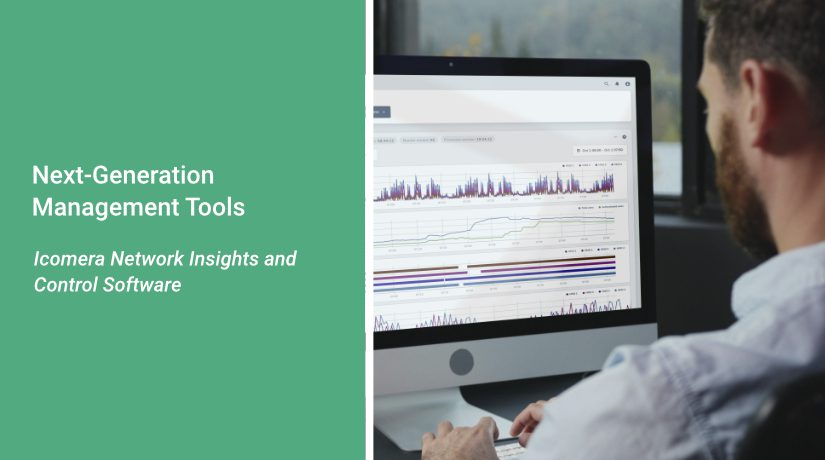
Unlocking Peak Performance: The Power of Next Generation Network Performance Monitoring Tools
In today's hyper-connected, digital-first world, traditional network monitoring solutions simply can't keep pace. Businesses demand unwavering network reliability, optimal application performance, and superior user experiences. This imperative has driven the evolution towards next generation network performance monitoring tools, a critical shift for any organization seeking to maintain a competitive edge and ensure seamless operations. These advanced solutions move beyond simple uptime checks, offering unparalleled network visibility and deep real-time analytics to proactively identify and resolve issues before they impact end-users or critical business processes.
The Imperative for Next-Gen Network Monitoring
The complexity of modern IT infrastructures—spanning hybrid clouds, multi-cloud environments, distributed workforces, IoT devices, and emerging 5G networks—has rendered legacy monitoring approaches obsolete. Static thresholds and reactive alerts are no longer sufficient when dealing with dynamic, ephemeral network elements and ever-increasing data volumes. Network teams face immense pressure to deliver consistent performance, often with limited resources and an overwhelming flood of data.
Traditional monitoring tools often provide a fragmented view, leading to blind spots and prolonged mean time to resolution (MTTR). This reactive posture results in costly downtime, frustrated users, and missed business opportunities. The shift to next generation network performance monitoring tools is not merely an upgrade; it's a fundamental change in how organizations understand, manage, and optimize their digital infrastructure. It's about moving from reacting to predicting, from guessing to knowing, and from manual intervention to intelligent automation.
Limitations of Traditional Monitoring Approaches
- Lack of End-to-End Visibility: Often siloed, failing to provide a holistic view across diverse network segments, cloud environments, and user paths.
- Reactive Alerting: Primarily notifies after an issue has occurred, leading to delayed responses and service disruption.
- Manual Correlation: Requires extensive manual effort to correlate events from disparate sources, slowing down root cause analysis.
- Scalability Challenges: Struggles to handle the massive data volumes and dynamic nature of modern, elastic networks.
- Limited Context: Provides raw data without the contextual intelligence needed for actionable insights.
Pillars of Advanced Network Performance Monitoring
The cutting-edge capabilities of next generation network performance monitoring tools are built upon several foundational pillars, each contributing to a more intelligent, proactive, and comprehensive approach to network management.
1. AIOps and Machine Learning Integration
Perhaps the most transformative aspect of next-gen monitoring is the deep integration of AIOps (Artificial Intelligence for IT Operations) and machine learning. These technologies enable systems to learn normal network behavior, automatically detect anomalies, and predict potential issues before they escalate. This capability shifts the paradigm from reactive troubleshooting to proactive problem prevention.
- Anomaly Detection: Algorithms analyze vast datasets to identify deviations from baseline performance, flagging unusual patterns that human eyes might miss.
- Predictive Analytics: By understanding historical trends and current conditions, these tools can forecast future network strain, capacity bottlenecks, or potential outages. This allows for proactive resource allocation and infrastructure adjustments.
- Intelligent Alerting: Reduces alert fatigue by correlating related events, suppressing redundant notifications, and prioritizing critical alerts based on their potential impact.
- Automated Root Cause Analysis: ML models can rapidly pinpoint the precise cause of an issue by sifting through complex interdependencies, drastically reducing MTTR.
2. Real-Time, Granular Network Visibility
Effective monitoring demands deep, continuous insight into every packet, flow, and device across the entire network fabric. Next generation network performance monitoring tools provide unparalleled network visibility through:
- Packet-Level Analysis: Deep packet inspection (DPI) offers granular insights into application behavior, latency, and packet loss, crucial for troubleshooting complex application performance issues.
- Flow Data Collection (NetFlow, IPFIX, sFlow): Provides comprehensive traffic patterns, top talkers, and bandwidth consumption across the network.
- Telemetry Data: Leveraging streaming telemetry from modern network devices for high-frequency, detailed performance metrics.
- Synthetic Transactions: Simulating user interactions to proactively test application performance and availability from various locations.
3. Digital Experience Monitoring (DEM)
In the digital age, user experience is paramount. Digital Experience Monitoring (DEM) focuses on the end-user's perspective, bridging the gap between network performance and actual user satisfaction. This involves:
- User Journey Mapping: Tracking the performance of critical business applications and services from the user's endpoint to the application server, whether on-premises or in the cloud.
- Endpoint Monitoring: Gathering performance data directly from user devices (laptops, mobile phones) to identify local issues impacting productivity.
- Application Performance Monitoring (APM) Integration: Tying network performance directly to application health and user experience metrics.
[Internal Link: Understanding the Synergies of DEM and APM]
4. Cloud-Native and Hybrid Cloud Monitoring Capabilities
The proliferation of cloud services introduces new monitoring challenges. Next generation network performance monitoring tools are built to handle the ephemeral, distributed, and dynamic nature of cloud environments. They offer:
- Multi-Cloud and Hybrid Cloud Support: Unified visibility across AWS, Azure, Google Cloud, and on-premises infrastructure.
- Container and Microservices Monitoring: Specialized capabilities for observing performance within Kubernetes, Docker, and other containerized environments.
- Serverless Function Monitoring: Tracking the performance and cost of serverless architectures.
[Internal Link: Best Practices for Cloud Network Monitoring]
5. Automation and Orchestration Integration
Beyond just identifying problems, next-gen tools increasingly integrate with network automation and orchestration platforms. This allows for:
- Automated Remediation: Triggering scripts or workflows to automatically fix common issues, such as rerouting traffic or restarting services.
- Proactive Capacity Management: Automatically adjusting network resources based on predictive analytics to prevent bottlenecks.
- Policy Enforcement: Ensuring network configurations adhere to security and performance policies.
Strategic Advantages of Adopting Next Generation Tools
The adoption of next generation network performance monitoring tools offers profound strategic advantages that extend beyond the IT department, impacting the entire business:
- Enhanced Business Continuity: Proactive identification and resolution of issues minimize downtime, ensuring critical business operations remain uninterrupted.
- Superior Digital Experience: By focusing on the end-user, organizations can guarantee a high-quality experience, leading to increased customer satisfaction and employee productivity.
- Optimized Resource Utilization: Granular real-time analytics enable efficient capacity planning and resource allocation, preventing over-provisioning and reducing operational costs.
- Faster Innovation Cycles: A stable, high-performing network provides a reliable foundation for deploying new applications and services with confidence.
- Improved Security Posture: Integrated security monitoring capabilities can detect anomalous traffic patterns that may indicate a security breach, enhancing overall network resilience.
- Data-Driven Decision Making: Comprehensive insights empower IT leaders to make informed strategic decisions regarding network investments, upgrades, and architectural changes.
Practical Tips for Implementing Next-Gen Network Monitoring
Transitioning to next generation network performance monitoring tools requires careful planning and execution. Here are some actionable tips:
- Define Clear Objectives: Before selecting a tool, clearly articulate what you aim to achieve (e.g., reduce MTTR by X%, improve application uptime, enhance digital experience monitoring).
- Assess Current Infrastructure: Understand your existing network topology, device types, and data sources. This will help determine compatibility and integration needs.
- Prioritize Visibility Gaps: Identify areas where your current monitoring is lacking (e.g., cloud environments, remote user performance, specific applications) and prioritize tools that address these.
- Start Small, Scale Up: Consider a phased rollout, perhaps beginning with a critical application or network segment to validate the solution's effectiveness before broader deployment.
- Integrate with Existing IT Ecosystem: Look for tools that seamlessly integrate with your ITSM, SIEM, and automation platforms to create a unified operational view.
- Invest in Training: Ensure your network team is adequately trained on the new tool's capabilities, particularly in interpreting AI-driven insights and leveraging predictive analytics.
- Leverage Vendor Expertise: Work closely with vendors during implementation and optimization. They can provide valuable insights and best practices.
The Future of Network Performance Monitoring
The evolution of network monitoring is far from over. As technologies like 5G network monitoring, edge computing, and distributed IoT network performance become mainstream, the demands on monitoring tools will continue to intensify. We can expect even deeper integration of AI for truly autonomous operations, self-healing networks, and hyper-personalized digital experience monitoring. The convergence of network performance, security, and application monitoring into unified observability platforms will become the standard, providing a single pane of glass for managing the entire digital estate. The emphasis will increasingly be on context-rich insights and actionable intelligence, enabling organizations to not just react to problems, but to anticipate, prevent, and even self-optimize.
Frequently Asked Questions
What is the primary benefit of using next generation network performance monitoring tools?
The primary benefit is the shift from reactive troubleshooting to proactive problem prevention and automated resolution. By leveraging AIOps and machine learning, these tools can predict issues, pinpoint root cause analysis rapidly, and even trigger automated fixes, significantly reducing downtime and improving the overall digital experience monitoring for users.
How do next-gen tools handle the complexity of hybrid and multi-cloud environments?
Next generation network performance monitoring tools are designed with cloud-native architectures in mind. They offer unified network visibility across various cloud providers (AWS, Azure, GCP) and on-premises infrastructure, providing a single pane of glass for monitoring, analyzing, and optimizing performance in complex hybrid and multi-cloud setups. They also support containerized environments and serverless functions, which are prevalent in cloud deployments.
Can these tools help with security monitoring as well as performance?
Yes, many advanced network performance monitoring solutions incorporate elements of security monitoring. By analyzing network traffic patterns, identifying anomalous behavior, and integrating with security information and event management (SIEM) systems, they can help detect potential security threats that might otherwise go unnoticed, providing a more holistic view of network health and integrity.

0 Komentar