
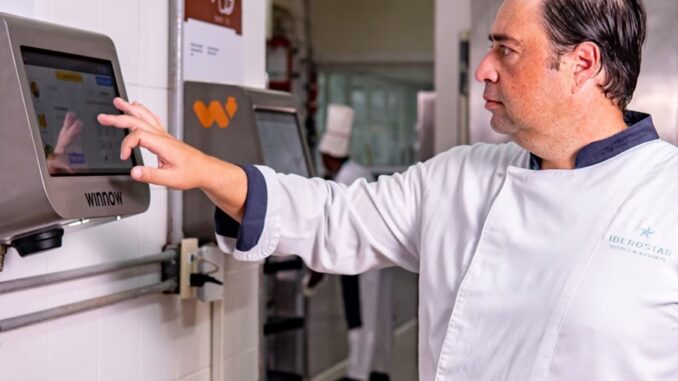
The Future of Food Waste Reduction Technologies 2025: A Deep Dive into Innovation
The global challenge of food waste is monumental, impacting environmental sustainability, economic stability, and food security. As we approach 2025, the landscape of food waste reduction is rapidly evolving, driven by groundbreaking technological advancements. This article explores the cutting-edge innovations poised to revolutionize how we prevent, monitor, and manage food loss, offering a compelling glimpse into a future where efficiency and sustainability are paramount. From AI-powered waste management to advanced food preservation technologies, the next few years promise transformative solutions that will reshape our entire food ecosystem and foster truly sustainable food systems.
The Urgency of Food Waste: Why 2025 Matters
Globally, an estimated one-third of all food produced for human consumption is lost or wasted, totaling approximately 1.3 billion tons annually. This staggering figure carries immense environmental costs, contributing significantly to greenhouse gas emissions, deforestation, and water scarcity. Economically, it represents billions of dollars squandered, while socially, it highlights the paradox of widespread hunger amidst abundant waste. The urgency to address this issue is escalating, pushing innovators and policymakers to accelerate the adoption of effective solutions. By 2025, with increasing population and climate pressures, the imperative to dramatically reduce food waste becomes even more critical, necessitating the deployment of robust and scalable technologies.
The focus isn't just on waste at the consumer level; significant losses occur throughout the entire supply chain – from farm to fork. Addressing these complex, interconnected challenges requires a multi-faceted approach, with technology emerging as a pivotal enabler. The shift towards a more circular economy model for food is no longer an aspiration but an actionable goal, with 2025 serving as a critical benchmark for progress.
AI and Machine Learning: Precision in Prevention
Artificial Intelligence (AI) and Machine Learning (ML) are at the forefront of the technological revolution in food waste reduction. These sophisticated algorithms offer unprecedented capabilities for prediction, optimization, and automation, targeting inefficiencies across the entire food supply chain.
Predictive Analytics for Supply Chains: Optimizing Inventory and Reducing Spoilage
- Demand Forecasting: AI models analyze vast datasets, including historical sales, weather patterns, holidays, and even social media trends, to predict consumer demand with remarkable accuracy. This allows retailers, restaurants, and manufacturers to optimize inventory levels, reducing overstocking and subsequent spoilage.
- Dynamic Pricing: AI can implement dynamic pricing strategies, automatically adjusting prices for perishable goods as their expiration dates approach, incentivizing timely purchase and preventing items from being discarded.
- Route Optimization: For logistics, AI algorithms optimize delivery routes and schedules, minimizing transit times and ensuring food reaches its destination faster and fresher, thereby reducing spoilage during transportation.
Smart Kitchens and Consumer Empowerment: AI at Home
The home is a significant source of food waste. By 2025, smart kitchen appliances are expected to become more commonplace, integrating AI to empower consumers to manage their food more effectively.
- AI-Powered Fridges: Next-generation refrigerators will feature internal cameras and AI to track inventory, monitor freshness, suggest recipes based on available ingredients, and even alert users to items nearing their expiration.
- Meal Planning Apps: Advanced apps will leverage AI to create personalized meal plans that minimize waste, suggesting recipes that utilize existing ingredients and guiding users on proper storage techniques.
- Smart Composting Bins: While not directly preventing waste, these bins can use AI to monitor decomposition processes, optimize conditions, and provide data on household waste generation, raising awareness.
AI-Driven Waste Sorting and Upcycling: Valorizing Food Scraps
Even with best prevention efforts, some food waste is inevitable. AI is transforming how this waste is handled, moving beyond disposal to food waste valorization and upcycling food waste.
- Robotic Sorting Systems: AI-powered optical sorting robots can quickly and accurately identify different types of food waste, separating contaminants and preparing materials for specific valorization processes like anaerobic digestion for biogas production or composting.
- Quality Assessment: AI can analyze food quality and safety, determining if produce is still suitable for donation or processing into new products, even if it doesn't meet aesthetic retail standards.
IoT and Sensor Technologies: Real-Time Monitoring and Traceability
The Internet of Things (IoT) and advanced sensor technologies provide the eyes and ears for real-time monitoring throughout the food supply chain, offering critical data to prevent spoilage and improve transparency.
Enhanced Cold Chain Management
Perishable goods rely heavily on an unbroken cold chain. IoT sensors are revolutionizing this by:
- Real-time Temperature and Humidity Monitoring: Tiny, affordable sensors embedded in packaging or transport containers continuously track environmental conditions. Any deviation from optimal levels triggers immediate alerts, allowing for intervention before spoilage occurs.
- Predictive Maintenance for Refrigeration Units: Sensors monitor the performance of refrigeration equipment, predicting potential failures and enabling proactive maintenance, preventing costly breakdowns and subsequent food loss.
Farm-to-Fork Traceability with Blockchain
The integration of IoT with blockchain traceability is poised to create an unprecedented level of transparency and accountability in the food supply chain.
- Immutable Records: Each step of a food product's journey – from farm harvest to processing, packaging, and delivery – can be recorded on a blockchain. This creates an unalterable, transparent ledger that can be accessed by all authorized parties.
- Rapid Recall Management: In case of contamination or quality issues, blockchain allows for rapid, precise identification of affected batches, minimizing widespread recalls and reducing associated waste.
- Optimized Inventory Rotation: Retailers can use blockchain data to ensure "first-in, first-out" inventory management, reducing the likelihood of older products expiring on shelves.
Smart Bins and Waste Collection Optimization
IoT-enabled smart bins are transforming municipal and commercial waste collection, leading to more efficient processes and reduced environmental impact.
- Fill-Level Sensors: These bins detect their fill level and transmit data to a central system, allowing waste management companies to optimize collection routes, only dispatching trucks when bins are full. This reduces fuel consumption, emissions, and collection costs, while also preventing overflowing bins.
- Waste Composition Analysis: Some advanced smart bins can even analyze the composition of waste deposited, providing valuable data on waste streams and informing better recycling and disposal strategies.
Advanced Preservation and Packaging Innovations
Beyond active waste management, the future of food waste reduction heavily relies on extending shelf life and maintaining food quality through innovative preservation and packaging.
Edible Coatings and Biodegradable Materials
Breakthroughs in material science are leading to revolutionary packaging solutions.
- Natural Edible Coatings: Derived from plant-based materials, proteins, or polysaccharides, these invisible coatings can be applied directly to fresh produce, creating a protective barrier that reduces moisture loss, oxidation, and microbial growth, significantly extending shelf life without altering taste or texture.
- Biodegradable and Compostable Packaging: Moving away from traditional plastics, new packaging materials are designed to break down naturally, reducing environmental pollution and supporting a circular economy.
Smart Packaging with Indicators
Packaging itself is becoming intelligent, providing real-time information about food freshness.
- Time-Temperature Indicators (TTIs): Small labels on packaging change color or pattern based on cumulative temperature exposure, providing a visual cue of freshness that is more accurate than a simple "best-by" date.
- Freshness Sensors: These sensors detect volatile organic compounds (VOCs) released by decaying food, visually signaling spoilage even before it becomes apparent to the consumer.
Non-Thermal Processing Technologies
Traditional heat-based preservation can sometimes degrade food quality. New non-thermal methods offer superior preservation while maintaining nutritional value and sensory attributes.
- High-Pressure Processing (HPP): This method uses high hydrostatic pressure to inactivate bacteria and viruses, extending shelf life for juices, deli meats, and ready-to-eat meals without heat.
- Pulsed Electric Fields (PEF): PEF uses short bursts of high-voltage electricity to preserve liquid foods like milk and fruit juices, maintaining their fresh taste and nutrient content.
- Ozone and UV-C Light Treatment: These technologies offer effective surface sanitation for produce and processing equipment, reducing microbial load and extending freshness.
Biotechnology and Sustainable Food Systems
Biotechnology is offering novel ways to prevent waste at the source and create value from unavoidable byproducts, contributing to truly sustainable food systems.
Upcycling Food Byproducts: Creating New Value
The concept of upcycling food waste is gaining significant traction, turning what was once considered waste into valuable resources.
- Nutrient Extraction: Byproducts from fruit and vegetable processing (peels, seeds, pulp) are rich in fiber, antioxidants, and other beneficial compounds. Biotechnology allows for the extraction of these nutrients for use in supplements, functional foods, and cosmetics.
- Biofuel Production: Organic waste, particularly from industrial food processing, can be converted into biogas through anaerobic digestion, providing a renewable energy source.
- Novel Ingredients: Fermentation technologies are being used to convert food waste streams into new ingredients like alternative proteins, flavor enhancers, or specialized enzymes.
Precision Agriculture and Vertical Farming: Reducing Pre-Consumer Waste
Waste often begins at the farm. Technologies are emerging to minimize agricultural losses.
- Precision Agriculture: Using IoT sensors, drones, and satellite imagery, farmers can monitor crop health, soil conditions, and water needs with extreme precision. This optimizes resource allocation, reduces crop failure, and minimizes overproduction.
- Vertical Farming: These controlled-environment agricultural systems reduce transportation waste, allow for year-round production regardless of climate, and significantly reduce water usage, leading to fewer losses from environmental factors.
- AI-Powered Robotics in Harvesting: Robots equipped with AI can precisely identify ripe produce, reducing damage during harvest and minimizing left-behind crops.
Behavioral Economics Meets Technology: Shifting Consumer Habits
While technology can optimize systems, human behavior remains a critical factor in food waste. Innovations are increasingly leveraging behavioral science to encourage more mindful consumption.
Gamification and Incentives
Apps and platforms are incorporating gamified elements to make waste reduction engaging.
- Reward Systems: Users earn points or discounts for tracking their food waste, donating surplus food, or successfully using up ingredients before they spoil.
- Challenges and Leaderboards: Community-based challenges encourage friendly competition, motivating users to achieve personal waste reduction goals.
Personalized Waste Reduction Dashboards
Technology can provide individuals with powerful insights into their own habits.
- Waste Tracking Apps: Users log their discarded food, and the app provides analytics on patterns, common culprits, and cost implications, raising awareness and guiding behavioral change.
- Recipe Generators: Apps suggest recipes based on ingredients nearing expiration, helping users make the most of what they have.
Community-Driven Sharing Platforms
Technology facilitates the sharing of surplus food, preventing it from becoming waste.
- Food Sharing Apps: Connect individuals or businesses with surplus food to those who can utilize it, such as neighbors, charities, or food banks.
- "Ugly Food" Marketplaces: Online platforms dedicated to selling cosmetically imperfect but perfectly edible produce at a discount, preventing it from being discarded by retailers.
Overcoming Challenges and Fostering Adoption
While the technological horizon for food waste reduction is bright, widespread adoption and impact require addressing several key challenges.
Infrastructure Investment and Policy Support
Implementing many of these advanced technologies requires significant upfront investment in infrastructure, from smart sensors in cold chains to sophisticated sorting facilities. Government policies, incentives, and public-private partnerships will be crucial to accelerate this investment and create a supportive regulatory environment.
Data Security and Privacy Concerns
As more data is collected about food production, consumption, and waste, concerns around data security, privacy, and equitable access to information will grow. Robust frameworks and ethical guidelines are essential to build trust and ensure responsible data utilization.
Education and Awareness
Even the most advanced technologies will fall short without public understanding and engagement. Educating consumers, businesses, and policymakers about the benefits of these innovations and how to effectively integrate them into daily practices is paramount. Bridging the digital divide and ensuring accessibility to these tools will also be a key challenge.
Actionable Steps for Stakeholders
Realizing the promise of future food waste reduction technologies by 2025 requires concerted effort from all stakeholders:
- For Businesses: Invest in AI-powered demand forecasting, explore IoT solutions for supply chain visibility, and adopt sustainable packaging. Collaborate with tech innovators and prioritize employee training on waste reduction. Consider implementing circular economy principles.
- For Consumers: Embrace smart kitchen technologies and waste-tracking apps. Plan meals, store food properly, and utilize food-sharing platforms. Support businesses committed to waste reduction and sustainable practices.
- For Policymakers: Implement supportive legislation and financial incentives for businesses adopting waste reduction technologies. Invest in digital infrastructure, fund research and development, and promote public awareness campaigns.
- For Technology Developers: Focus on user-friendly interfaces, interoperability between systems, and scalable solutions that can be adopted by businesses of all sizes, including small and medium enterprises. Prioritize affordability and accessibility.
Frequently Asked Questions
What are the key technological trends for food waste reduction by 2025?
By 2025, key trends will include the widespread adoption of AI-powered waste management for predictive analytics and optimized logistics, advanced IoT sensors for real-time monitoring of food freshness and cold chain integrity, innovative food preservation technologies like edible coatings and non-thermal processing, and the increasing use of blockchain for blockchain traceability and supply chain transparency. Furthermore, biotechnology will play a significant role in upcycling food waste into new products.
How can AI help reduce food waste in households?
In households, AI will power smart kitchen appliances such as refrigerators that track inventory and suggest recipes based on ingredients nearing expiration. AI-driven meal planning apps will help consumers optimize grocery lists and utilize existing food, while personalized dashboards will provide insights into individual waste patterns, empowering informed behavioral changes to foster more sustainable consumer habits.
What is the role of blockchain in future food supply chains?
Blockchain technology will provide unprecedented transparency and blockchain traceability from farm to fork. It creates an immutable, shared ledger of a food product's journey, allowing for real-time monitoring of conditions, rapid identification of contamination sources for precise recalls, and improved inventory management. This enhanced visibility significantly reduces spoilage and loss throughout the supply chain.
Are these technologies accessible to everyone?
While many advanced technologies currently require significant investment, the trend is towards increasing accessibility. As technologies mature, costs decrease, and user interfaces become more intuitive. Government incentives, industry partnerships, and open-source initiatives will further democratize access, ensuring that even small businesses and individual consumers can benefit from these innovations in food waste reduction.
How can I personally contribute to food waste reduction with new tech?
You can personally contribute by adopting smart kitchen apps for meal planning and inventory tracking, using food-sharing platforms to give away surplus food, exploring retailers that sell "ugly" produce, and supporting businesses that invest in these advanced waste reduction technologies. Staying informed about new sustainable food systems innovations and adjusting your purchasing habits accordingly also makes a significant impact.

0 Komentar