
The Future of Smart Homes in 2025: An SEO Expert's Deep Dive into Connected Living
Welcome to a comprehensive exploration of the future of smart homes in 2025, a landscape rapidly evolving beyond mere convenience into truly intelligent ecosystems. As a professional SEO expert and content strategist, I understand the critical importance of anticipating technological shifts and providing authoritative insights. By 2025, smart homes will transcend simple home automation, transforming into intuitive, proactive environments that seamlessly blend into our daily lives, driven by advanced AI, enhanced interoperability, and a profound focus on user experience. This article delves into the core advancements, challenges, and practical implications shaping our connected domiciles just around the corner.
The Evolution Continues: Beyond Basic Automation
The trajectory of smart home technology is accelerating. What began with rudimentary remote controls and scheduled lighting has matured into a complex web of interconnected IoT devices. By 2025, the emphasis shifts from reactive automation to proactive, predictive intelligence, making our homes not just smart, but truly sentient environments.
Predictive Intelligence and Proactive Living
One of the most significant leaps in the future of smart homes in 2025 will be the pervasive integration of predictive AI. Imagine a home that doesn't just respond to commands but anticipates your needs. This isn't science fiction; it's the next frontier of smart living. Advanced machine learning algorithms will continuously analyze user behavior patterns, environmental data, and external factors (like weather or traffic) to optimize your living space without explicit instructions.
- Adaptive Climate Control: Your thermostat won't just learn your preferred temperature; it will pre-cool or pre-heat based on your typical arrival time, factoring in external temperature fluctuations and even the day's forecast.
- Dynamic Lighting: Lighting systems will adjust not just for brightness but for color temperature and direction, mimicking natural light cycles to support circadian rhythms, or shifting to task-specific illumination as you move through rooms.
- Personalized Audio Environments: Music or ambient sounds could fade in and out, shifting genres based on your mood, the time of day, or who is currently in the room, all without a single voice command.
This level of proactive capability signifies a move towards truly personalized environments, where the home adapts to you, rather than you adapting to the home. It’s about creating an intuitive, almost invisible layer of support that enhances comfort and efficiency.
Enhanced Interoperability and Standardized Protocols
A major hurdle in the current smart home landscape is the fragmentation of devices and platforms. Different brands often speak different "languages," leading to compatibility headaches and a disjointed user experience. By 2025, significant strides will have been made in interoperability, largely driven by initiatives like the Matter protocol.
- Unified Control Hubs: Expect fewer dedicated apps for each device and more universal control dashboards that integrate all your IoT devices, regardless of brand. This will simplify setup and daily management.
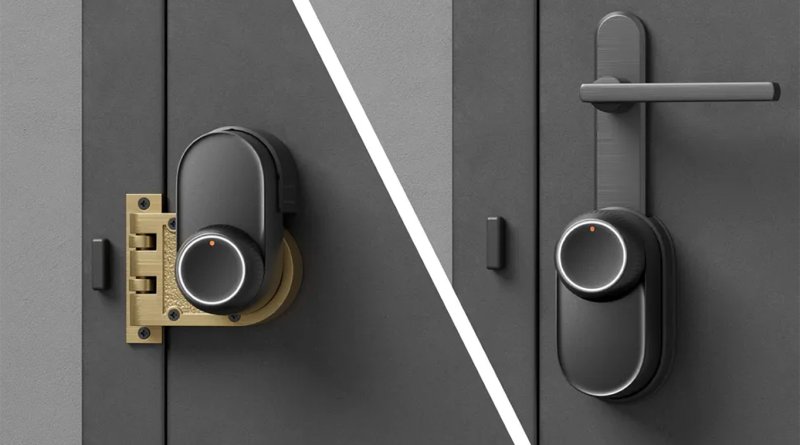
- Seamless Device Communication: Your smart lock will communicate directly with your smart lights and security system, triggering a "welcome home" scene when you unlock the door, disarming the alarm, and illuminating your path.
- Open Ecosystems: Manufacturers will increasingly embrace open standards, fostering a more collaborative environment where devices from various brands can effortlessly work together, unlocking the full potential of your intelligent ecosystem. This will greatly reduce the "walled garden" effect currently seen with some tech giants.
This push for standardization is crucial for widespread adoption and will empower users to build truly comprehensive and reliable smart home solutions without worrying about compatibility issues. For instance, imagine your smart home security solutions seamlessly integrating with your energy management system.
Hyper-Personalization and User Experience at the Core
The future of smart homes in 2025 will be defined by an unparalleled degree of personalization, moving beyond simple settings to truly understanding and adapting to individual needs and preferences. The user experience will be paramount, driven by advanced interfaces and sophisticated AI.
AI-Driven Personalization
The AI in 22025 smart homes won't just learn habits; it will understand context. This means the system will recognize who is home, what their individual preferences are, and even anticipate their next action. For example, if you typically listen to news podcasts in the morning and classical music in the evening, your home's audio system will adapt accordingly, without being prompted.
- Individual Profiles: Each family member will have a unique profile that the smart home system recognizes, adjusting lighting, temperature, music, and even content suggestions based on who is present.
- Emotional Intelligence (Basic): While not truly emotional, AI could begin to infer mood based on subtle cues (e.g., voice tone, movement patterns) and adjust ambient settings to create a more calming or energizing atmosphere.
- Adaptive Learning: The system will continuously refine its understanding of your preferences, learning from your interactions and even your non-interactions, making the environment increasingly intuitive over time.
Intuitive Interfaces and Multi-Modal Interaction
While voice control will remain a dominant interface, 2025 will see the rise of more diverse and intuitive ways to interact with your smart home. The goal is to make control feel natural, almost imperceptible.
- Advanced Voice Control: Expect more natural language processing, allowing for complex commands and continuous conversations. Multi-person voice recognition will be standard, distinguishing between family members.
- Gesture and Proximity Sensors: Simple gestures could control lights or media. Proximity sensors will allow rooms to "wake up" as you enter, adjusting settings before you even reach a switch.
- Augmented Reality (AR) Interfaces: Imagine pointing your smartphone or AR glasses at a smart device and seeing its controls overlaid on the physical object, or visualizing energy consumption in real-time within your home's actual layout.
- Contextual Awareness: Your smart home will understand the context of your commands. Saying "turn on the lights" in the kitchen will activate kitchen lights, not the entire house.
These multi-modal interfaces will significantly enhance the user experience, making smart homes accessible and enjoyable for a broader demographic, moving beyond tech enthusiasts to the mainstream.
The Integrated Smart Home: Security, Health, and Sustainability
The future of smart homes in 2025 extends far beyond comfort and convenience. Integration will be key, weaving together disparate functions into a cohesive whole that addresses critical aspects of modern living: security, health, and environmental responsibility.
Fortified Smart Home Security
Smart home security will evolve from simple alerts to proactive, intelligent defense systems. Integration with local emergency services and enhanced detection capabilities will be standard.
- Advanced Threat Detection: Beyond motion sensors, systems will employ AI to differentiate between pets and intruders, detect unusual sounds (e.g., glass breaking, aggressive voices), and even identify suspicious thermal signatures.
- Biometric Authentication: Facial recognition and fingerprint scanners will become common for secure access, replacing traditional keys and complex codes.
- Proactive Deterrence: If an intrusion is detected, the system won't just send an alert; it could trigger lights, sound alarms, activate internal cameras, and even simulate occupancy to deter intruders.
- Remote Monitoring with AI Analysis: Homeowners will have access to high-definition live feeds, augmented by AI that can flag suspicious activity, reducing false alarms. Learn more about advanced home security systems.
Holistic Health and Wellness Integration
Your smart home in 2025 will become an active participant in your well-being, offering ambient health monitoring and creating environments conducive to health.
- Air Quality and Environmental Sensors: Continuous monitoring of allergens, pollutants, humidity, and CO2 levels will trigger air purifiers, humidifiers, or ventilation systems automatically.
- Sleep Tracking and Optimization: Smart beds and non-invasive sensors will monitor sleep patterns, adjusting temperature, lighting, and soundscapes to optimize sleep quality.
- Elderly Care Solutions: Discreet sensors will monitor activity levels, detect falls, and provide medication reminders, offering peace of mind for families without compromising privacy.
- Predictive Health Insights: While not replacing medical advice, the aggregation of environmental and activity data could offer insights into potential health correlations, encouraging healthier habits.
Energy Efficiency and Environmental Stewardship
The smart home of 2025 will be a champion of energy efficiency, playing a vital role in reducing carbon footprints and utility bills.
- Optimized Energy Consumption: AI-driven energy management systems will learn peak and off-peak utility rates, automatically shifting energy-intensive tasks (e.g., charging EVs, running dishwashers) to cheaper times.
- Integration with Smart Grids: Homes will dynamically interact with the energy grid, potentially selling excess solar power back or drawing power during periods of low demand.
- Water Management: Smart irrigation systems will use hyper-local weather data and soil moisture sensors to water lawns only when necessary, while leak detection systems will prevent costly water damage.
- Renewable Energy Integration: Seamless management of rooftop solar panels, battery storage, and even small-scale wind turbines will become standard, empowering homeowners to be more energy independent. This focus on sustainability will drive significant innovation.
Addressing the Challenges: Privacy, Security, and Adoption
While the prospects for the future of smart homes in 2025 are exciting, it's crucial to acknowledge and address the inherent challenges, particularly concerning data privacy and cybersecurity, as well as ensuring broad accessibility.
Data Privacy and Cybersecurity Imperatives
With an increasing number of sensors and interconnected IoT devices collecting vast amounts of personal data, data privacy will be a paramount concern. Consumers will demand transparency and control over their information.
- Robust Encryption and Decentralization: Stronger encryption protocols and a move towards more decentralized data processing (edge computing) will reduce the risk of large-scale data breaches.
- User Control and Consent: Clearer, more granular controls will allow users to decide what data is collected, how it's used, and with whom it's shared. Privacy-by-design principles will be standard for device manufacturers.
- Regular Security Audits: Manufacturers will be expected to conduct regular security audits and provide timely software updates to patch vulnerabilities, similar to how smartphones receive updates today.
- Ethical AI Development: Guidelines and regulations will emerge to ensure AI in smart homes is developed and deployed ethically, respecting user autonomy and avoiding biased outcomes.
Bridging the Digital Divide and Accessibility
For smart homes to truly become ubiquitous, they must be accessible and affordable for a wider demographic, not just early adopters or the affluent.
- Ease of Installation and Setup: "Plug-and-play" simplicity will be key, minimizing the need for professional installers and complex configurations.
- Affordable Entry Points: A wider range of budget-friendly devices and modular systems will allow users to start small and expand their intelligent ecosystems over time.
- Accessibility Features: Design for all abilities will be crucial, with features like enhanced voice control for visually impaired users, tactile feedback for the hearing impaired, and simplified interfaces for the elderly.
- Reliable Connectivity: The proliferation of 5G and Wi-Fi 6 will provide the robust, low-latency connectivity required for truly responsive smart home experiences.
Addressing these challenges head-on is vital for building trust and ensuring that the benefits of smart living are enjoyed by everyone.
Actionable Insights for Future-Proofing Your Home
As we look towards the future of smart homes in 2025, there are concrete steps you can take today to prepare your living space for these impending advancements and ensure you're making smart, long-term investments.
- Prioritize Interoperability: When purchasing new IoT devices, always check for compatibility with widely adopted standards like Matter, Zigbee, or Z-Wave. This ensures your devices can communicate and integrate seamlessly with future additions, safeguarding your investment.
- Start Small, Think Big: You don't need to automate your entire home overnight. Begin with a single area (e.g., smart lighting in the living room or a smart thermostat) and expand gradually. However, always have a long-term vision for how these individual components will eventually form a cohesive intelligent ecosystem.
- Invest in a Robust Network Infrastructure: A strong, reliable Wi-Fi network is the backbone of any smart home. Consider upgrading to Wi-Fi 6 for faster speeds and better handling of multiple devices, and ensure adequate coverage throughout your home.
- Research Data Privacy and Security Policies: Before buying any smart device, take the time to understand the manufacturer's data privacy policy and security practices. Opt for brands with a strong reputation for protecting user data and providing regular security updates.
- Embrace Voice Assistants: If you haven't already, integrate a voice assistant (like Amazon Alexa, Google Assistant, or Apple HomeKit) as your central control hub. Their capabilities are rapidly expanding, and they will be integral to the multi-modal interaction of 2025.
- Consider Energy Monitoring: Even simple smart plugs with energy monitoring capabilities can provide valuable insights into your consumption patterns, helping you identify areas for greater energy efficiency and cost savings.
- Stay Informed: The smart home landscape is dynamic. Follow reputable tech blogs, industry news, and expert reviews to stay abreast of the latest advancements and best practices. This knowledge will empower you to make informed decisions for your smart living journey.
By taking these proactive steps, you can ensure your home is not just ready for 2025, but truly future-proofed for the exciting decades of home automation ahead.
Frequently Asked Questions
What will be the most significant change in smart homes by 2025?
The most significant change in the future of smart homes in 2025 will be the shift from reactive automation to truly proactive, predictive AI-driven intelligence. Homes will anticipate user needs, learn individual preferences deeply, and operate autonomously to optimize comfort, energy efficiency, and security without constant explicit commands. Enhanced interoperability through universal standards like Matter will also be a game-changer, fostering seamless communication between diverse IoT devices and creating more cohesive intelligent ecosystems.
How will smart homes enhance energy efficiency in 2025?
By 2025, smart homes will significantly enhance energy efficiency through advanced AI-driven energy management systems. These systems will learn consumption patterns, dynamically adjust heating, cooling, and lighting based on occupancy and external conditions, and even interact with smart grids to optimize energy usage during off-peak hours. Integration with renewable energy sources like solar will be common, allowing homes to store and potentially sell excess energy, leading to substantial savings and reduced environmental impact. Smart water management will also play a role in overall sustainability.
Is data privacy a major concern for smart home users in 2025?
Yes, data privacy will remain a major concern for smart home users in 2025, but significant advancements will be made to address it. Manufacturers will implement stronger encryption, embrace decentralized data processing (edge computing), and provide users with more transparent and granular control over their data. Expect stricter regulations and industry standards that prioritize privacy-by-design, ensuring that while homes become more intelligent, user data remains secure and private. Users will increasingly seek out brands with a strong commitment to ethical data handling.
What role will AI play in smart homes by 2025?
AI will play a transformative role in the future of smart homes in 2025, moving beyond simple automation to enable predictive AI, hyper-personalization, and proactive smart living. AI will power adaptive learning, allowing homes to understand and anticipate individual preferences for lighting, temperature, entertainment, and even security. It will enable advanced voice control with natural language processing, facilitate ambient health monitoring, and drive sophisticated energy efficiency optimizations. Essentially, AI will be the brain that transforms a collection of IoT devices into a truly intuitive and responsive intelligent ecosystem.

0 Komentar