
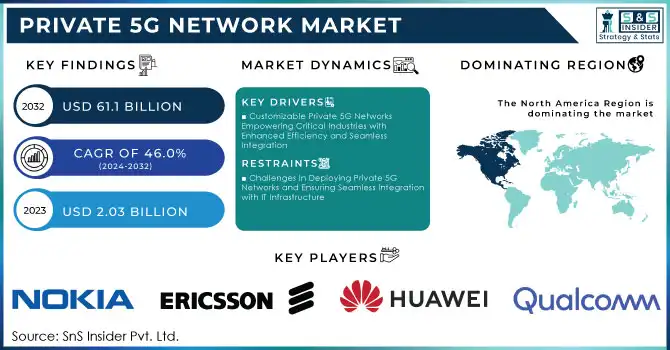
5G Private Network Deployment Cost Analysis: A Comprehensive Guide to Enterprise Investment
Embarking on the journey of 5G private network deployment represents a significant strategic move for enterprises seeking unparalleled connectivity, security, and control over their digital operations. As businesses eye the transformative potential of dedicated 5G infrastructure, a critical question inevitably arises: what is the true cost of deploying a 5G private network? This comprehensive guide delves deep into the multifaceted financial considerations, breaking down the initial capital expenditures (CapEx) and ongoing operational expenses (OpEx) that comprise the total cost of ownership (TCO). Understanding these nuances is paramount for informed decision-making, ensuring your investment aligns perfectly with your organizational goals and budget, paving the way for advanced industrial automation, secure data handling, and innovative new applications.
Understanding the Landscape of 5G Private Networks
A private 5G network is a dedicated cellular network, designed and built exclusively for an enterprise's specific operational needs. Unlike public cellular networks, which are shared among millions of users, private networks offer a controlled, secure, and highly customizable environment. They leverage the core capabilities of 5G – ultra-low latency, massive connectivity, and high bandwidth – to empower applications ranging from real-time industrial automation and asset tracking to secure campus-wide communication and immersive augmented reality experiences. For many organizations, particularly those in manufacturing, logistics, healthcare, and critical infrastructure, these networks are no longer a luxury but a necessity for achieving digital transformation and maintaining a competitive edge.
Key Drivers for Private 5G Adoption
- Enhanced Security and Data Sovereignty: Data remains on-site, within the enterprise's control, significantly reducing exposure to external threats and meeting stringent regulatory compliance.
- Guaranteed Performance: Unlike shared public networks, private 5G offers dedicated bandwidth and predictable latency, crucial for mission-critical applications like robotics and remote control.
- Customization and Control: Enterprises have full control over network configuration, prioritization of traffic, and integration with existing IT infrastructure.
- Massive Device Connectivity: Supports a far greater density of connected devices, essential for large-scale Industrial IoT (IIoT) deployments.
- Future-Proofing Infrastructure: Provides a robust, scalable foundation for emerging technologies and future business needs.
Deconstructing the 5G Private Network Deployment Cost Analysis
Analyzing the private 5G network expenditure requires a granular approach, dissecting costs into two primary categories: Capital Expenditure (CapEx) and Operational Expenditure (OpEx). Both play a crucial role in the overall financial assessment of such a significant investment.
Initial Capital Expenditure (CapEx)
CapEx represents the upfront investment required to build and establish the dedicated 5G infrastructure. These are typically one-time costs, though they can be substantial.
- Spectrum Acquisition or Leasing: This is often one of the most significant initial costs. Enterprises may acquire licensed spectrum (e.g., through auctions or direct allocation), lease spectrum from mobile network operators (MNOs), or utilize shared/unlicensed spectrum (e.g., CBRS in the US). The cost varies dramatically based on geographic location, spectrum band, and regulatory framework. Understanding spectrum costs is foundational to the budget.
- Hardware Infrastructure: This forms the physical backbone of the network.
- Radio Access Network (RAN) Equipment: Includes 5G base stations (gNBs), small cells, antennas, and associated radio units. The number and type depend on coverage area and capacity requirements.
- Core Network Components: While simplified for private networks, a 5G core (5GC) is essential. This includes hardware and software for functions like user plane function (UPF), control plane functions (AMF, SMF), and authentication servers. Increasingly, virtualized or cloud-native core solutions can reduce physical hardware costs.
- Edge Computing Devices: For ultra-low latency applications, computing resources are often deployed at the network edge. This can include specialized servers and hardware for data processing close to the source.
- Cabling and Connectivity: Fiber optic cables, Ethernet cabling, switches, routers, and other networking equipment to connect various components of the private network.
- Power and Cooling Infrastructure: Reliable power supplies, backup systems (UPS), and efficient cooling solutions for network equipment, especially in data centers or rugged environments.
- Software Licenses: Beyond hardware, significant costs are associated with software for network orchestration, management, security, and application enablement. This includes licenses for network operating systems, network management systems (NMS), security suites, and potentially specialized industrial applications.
- Site Preparation & Installation: This involves civil works, construction modifications, mounting of antennas, installation of racks, power distribution, and environmental controls. The complexity and existing infrastructure of the deployment site heavily influence these costs.
- Integration & Testing: Ensuring seamless integration with existing IT/OT (Operational Technology) systems, legacy equipment, and third-party applications is crucial. Extensive testing is required to validate network performance, security, and application functionality before go-live.
Ongoing Operational Expenditure (OpEx)
OpEx encompasses the recurring costs necessary to maintain, operate, and support the private 5G solution over its lifespan. These are continuous expenses that can significantly impact the long-term financial viability.
- Spectrum Fees: If spectrum is leased or subject to recurring regulatory fees, these will be an ongoing operational cost.
- Maintenance & Support Contracts: Agreements with hardware vendors and software providers for ongoing technical support, bug fixes, patches, and hardware replacements.
- Energy Consumption: The power required to run all network components, including RAN, core, edge servers, and cooling systems. Energy efficiency of chosen equipment can significantly impact this.
- Personnel & Training: The cost of skilled personnel required to manage, monitor, troubleshoot, and optimize the private network. This includes network engineers, cybersecurity experts, and IT staff. Training for existing staff to handle new technologies is also a factor.
- Software Upgrades & Licensing Renewals: Regular updates for network software, security patches, and renewals of software licenses are essential for performance and security.
- Backhaul & Interconnection: Costs associated with connecting the private network to the public internet, cloud services, or corporate WAN (Wide Area Network), if required. This often involves fiber optic leases or dedicated lines.
- Security Monitoring & Compliance: Ongoing costs for cybersecurity tools, threat intelligence, regular audits, and maintaining compliance with industry-specific regulations.
Factors Influencing Private 5G Network Costs
The investment in a 5G private network is highly variable, with several key factors driving the overall expenditure:
- Network Scale and Coverage Area: A small factory floor will require less equipment and fewer base stations than a sprawling industrial complex, airport, or smart city project. Larger areas and complex indoor/outdoor environments drive up infrastructure costs.
- Throughput and Latency Requirements: Applications demanding extremely high bandwidth (e.g., high-definition video streaming, large data transfers) or ultra-low latency (e.g., real-time robotics, autonomous vehicles) will necessitate more robust and expensive hardware, potentially requiring more edge computing capacity.
- Application Complexity and Density: The number and type of devices connected, and the complexity of the applications running over the network (e.g., AR/VR, precise indoor positioning, massive sensor deployments) directly impact network design and hardware specifications.
- Spectrum Availability and Type: Access to suitable spectrum (licensed, shared, or unlicensed) is a primary cost driver. Licensed spectrum offers exclusivity but comes at a premium, while shared or unlicensed options can be more cost-effective but may have limitations.
- Vendor Choice and Ecosystem: Different vendors offer varying price points for hardware, software, and services. Opting for an open-source or Open RAN (Radio Access Network) approach can potentially reduce costs compared to proprietary, vertically integrated solutions.
- Deployment Model:
- On-Premise: Full ownership and management, higher CapEx but full control.
- Hybrid: Some components on-premise, others in the cloud or managed by a third party.
- Network-as-a-Service (NaaS): A fully managed solution where the enterprise pays a recurring fee, shifting CapEx to OpEx. This model can significantly lower upfront investment for enterprise 5G infrastructure.
- Leveraging Existing Infrastructure: The ability to utilize existing fiber optic cabling, power infrastructure, or even mounting points can significantly reduce civil works and installation costs.
- Security Requirements: Higher security demands, such as advanced encryption, intrusion detection systems, and dedicated security operations, will add to both CapEx and OpEx.
Strategies for Optimizing 5G Private Network Investments
While 5G private network deployment represents a substantial investment, there are actionable strategies to optimize costs without compromising performance or future scalability. Businesses must approach this with a clear vision and a focus on long-term value.
- Thorough Needs Assessment and Use Case Prioritization: Begin with a detailed analysis of your specific business needs, critical applications, and desired outcomes. Prioritize the most impactful use cases that offer the highest return on investment (ROI). Avoid over-provisioning the network initially.
- Phased Deployment: Instead of a big-bang approach, consider a phased deployment. Start with a pilot project in a specific area or for a critical application, learn from it, and then expand. This allows for iterative investment and refinement, managing cash flow more effectively.
- Leverage Existing Infrastructure: Maximize the use of your current assets. Can you utilize existing fiber optic cables, power infrastructure, or network closets? This can dramatically reduce civil engineering and installation expenses.
- Explore Open RAN and Disaggregated Solutions: Open RAN promotes interoperability between different vendors' hardware and software, potentially leading to more competitive pricing and avoiding vendor lock-in. Disaggregated core solutions can also offer flexibility and cost savings.
- Consider Managed Services or Network-as-a-Service (NaaS): For organizations lacking in-house expertise or preferring to minimize upfront CapEx, NaaS models provided by MNOs or specialized integrators can be highly attractive. This shifts the financial model to a predictable OpEx, often including maintenance and upgrades.
- Focus on Energy Efficiency: When selecting hardware, prioritize energy-efficient components. Over the network's lifespan, power consumption can be a significant OpEx. Intelligent network management systems can also optimize power usage.
- Holistic TCO Analysis: Look beyond initial CapEx. Conduct a thorough Total Cost of Ownership (TCO) analysis that includes all OpEx elements over a 5-10 year period. This provides a more accurate financial picture and helps justify the investment based on long-term benefits.
- Strategic Vendor Partnerships: Engage with multiple vendors and integrators. Foster competitive bidding and negotiate favorable terms, including long-term support contracts and upgrade paths. A strong partnership can also provide valuable expertise.
The Long-Term Value Proposition: Beyond the Initial Price Tag
While the 5G private network deployment cost is a significant consideration, it's crucial to view this investment not merely as an expense but as an enabler of profound business value. The true ROI extends far beyond simple connectivity, touching upon operational efficiency, competitive advantage, and the ability to unlock new revenue streams.
- Enhanced Productivity and Efficiency: Real-time data processing, automation of manual tasks, and improved communication can lead to substantial gains in operational efficiency and output.
- New Revenue Streams: Private 5G can enable new services or products, such as remote monitoring, advanced analytics as a service, or even new business models built on pervasive, secure connectivity.
- Competitive Advantage: Early adopters gain a significant edge by optimizing processes, innovating faster, and responding more agilely to market demands.
- Improved Security and Compliance: Reduced risk of data breaches and easier adherence to industry regulations can save significant costs associated with fines, reputational damage, and recovery efforts.
- Data-Driven Insights: The ability to collect and analyze vast amounts of real-time data from connected devices provides invaluable insights for process optimization, predictive maintenance, and strategic decision-making.
- Future-Proofing: Investing in a 5G private network prepares an organization for the next wave of digital innovation, ensuring its infrastructure can support emerging technologies like advanced AI, pervasive IoT, and immersive digital twins. For a deeper dive into the benefits, consider understanding the comprehensive benefits of private 5G.
Frequently Asked Questions About 5G Private Network Costs
What is the average cost of a 5G private network deployment?
The average cost of a 5G private network deployment varies widely, making it challenging to provide a single figure. For a small-to-medium enterprise (SME) covering a single facility with basic requirements, costs could range from hundreds of thousands to a few million dollars for initial CapEx. Larger industrial complexes, smart campuses, or ports requiring extensive coverage, high capacity, and specialized applications could see investments stretching into tens of millions of dollars. Factors like spectrum access, desired performance, and the chosen deployment model (on-premise vs. NaaS) are major determinants.
How does spectrum licensing impact private 5G network costs?
Spectrum licensing significantly impacts private 5G network costs. Dedicated, licensed spectrum offers guaranteed performance and exclusivity but often involves high upfront acquisition fees (e.g., through government auctions) or recurring lease payments to MNOs. Shared spectrum (like CBRS in the US) can be more cost-effective as it allows multiple users to share a band, reducing individual costs, but may come with certain usage restrictions. Unlicensed spectrum (e.g., Wi-Fi bands) is free to use but offers no guarantees of performance and can be subject to interference, making it unsuitable for mission-critical applications.
Can small and medium-sized businesses (SMBs) afford 5G private networks?
Yes, SMBs can increasingly afford 5G private networks, especially with evolving deployment models. While a full on-premise deployment might be prohibitive, options like Network-as-a-Service (NaaS) significantly reduce upfront CapEx by converting it into predictable monthly operational expenses. Additionally, smaller-scale, modular deployments targeting specific high-value use cases, or leveraging shared/unlicensed spectrum, make private 5G accessible to businesses with more constrained budgets. The key is a focused approach and strategic partnership with solution providers.
What is the Total Cost of Ownership (TCO) for a 5G private network?
The Total Cost of Ownership (TCO) for a 5G private network encompasses not just the initial capital expenditure (CapEx) but also all recurring operational expenses (OpEx) over the network's lifespan, typically 5-10 years. This includes hardware and software maintenance, energy consumption, personnel costs for management and support, software license renewals, spectrum fees (if applicable), and any necessary upgrades or expansions. A comprehensive TCO analysis also considers the potential cost savings and revenue generation enabled by the network, providing a holistic financial perspective.
What are the main components of a 5G private network's hardware cost?
The main components contributing to a 5G private network's hardware cost include the Radio Access Network (RAN) equipment (5G base stations, small cells, antennas, radio units), the 5G Core network components (servers and specialized hardware for control and user plane functions), edge computing devices, and associated network infrastructure like switches, routers, and extensive cabling. Additionally, power supply systems, cooling solutions, and physical security hardware for the equipment also contribute significantly to the overall hardware investment.
Navigating the complexities of 5G private network deployment cost analysis requires a deep understanding of technology, business needs, and financial planning. To get a precise and tailored cost assessment for your specific enterprise requirements, it is highly recommended to consult with experienced 5G private network solution providers and integrators. They can provide detailed proposals, conduct site surveys, and help you build a robust business case for your investment in this transformative technology.

0 Komentar