
Healing Invisible Wounds: How Virtual Reality is Revolutionizing PTSD Treatment for Veterans
For countless veterans, the echoes of combat and other traumatic experiences can manifest as Post-Traumatic Stress Disorder (PTSD), an invisible wound that profoundly impacts their daily lives and overall well-being. While traditional therapies have offered solace to many, the search for more effective, accessible, and engaging interventions continues. Enter virtual reality for treating PTSD in veterans – a groundbreaking approach that is not only transforming how we understand trauma recovery but also offering a beacon of hope for those who have served. This comprehensive guide delves into the profound potential of immersive technology, exploring how it provides a safe, controlled environment for trauma processing and ultimately, healing.
The Unseen Battle: PTSD in Veterans
Post-Traumatic Stress Disorder is a debilitating condition that can develop after experiencing or witnessing a terrifying event. For veterans, this often stems from combat exposure, military sexual trauma, or other high-stress operational experiences. Symptoms can include intrusive thoughts, nightmares, avoidance behaviors, negative changes in mood and thinking, and hyperarousal, making it difficult to maintain relationships, employment, and a sense of normalcy. The sheer prevalence of PTSD among the veteran population underscores the critical need for innovative, effective interventions. While conventional methods like Cognitive Behavioral Therapy (CBT) and medication have proven beneficial, some veterans find it challenging to engage fully due to the intensity of recalling traumatic memories or the stigma associated with seeking mental health support.
Virtual Reality: A New Frontier in Trauma Therapy
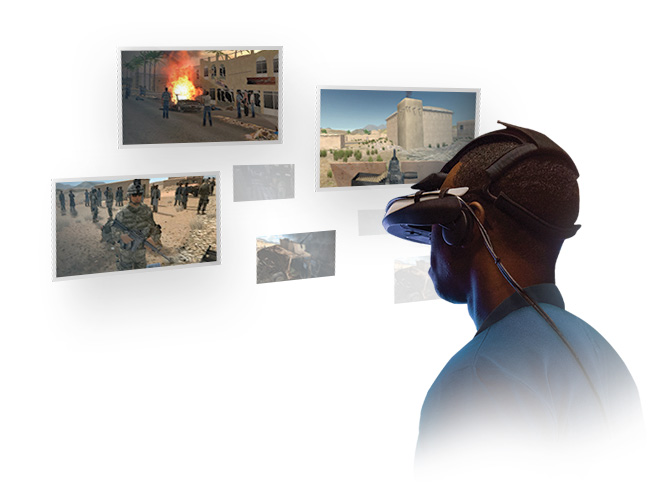
The advent of virtual reality (VR) has opened an entirely new frontier in psychological treatment, particularly for conditions like PTSD. Unlike passive forms of media, VR creates an immersive environment that tricks the brain into believing it is genuinely present within a digital world. This unique capability makes it an incredibly powerful tool for therapeutic applications. In the context of PTSD, VR allows therapists to guide veterans through simulated scenarios that closely resemble their traumatic experiences, but within a completely safe, controlled, and therapeutic setting. This innovative approach, often referred to as Virtual Reality Exposure Therapy (VRET), is designed to help individuals confront and process their trauma in a way that minimizes re-traumatization while maximizing therapeutic gain.
Understanding Virtual Reality Exposure Therapy (VRET)
At its core, VRET is an advanced form of exposure therapy, a well-established and evidence-based treatment for anxiety disorders and PTSD. In traditional exposure therapy, individuals gradually confront feared objects, situations, or memories in real life or through imagination. VRET takes this a step further by using computer-generated, three-dimensional worlds to simulate these experiences. For veterans, this might involve recreating combat zones, specific vehicles, or other environments relevant to their trauma. The process typically involves:
- Controlled Immersion: The veteran wears a VR headset, transporting them into a virtual world. This world can be precisely tailored to the individual's specific trauma triggers, from the sounds and sights of a particular environment to the time of day.
- Gradual Exposure: Under the guidance of a trained therapist, the veteran is slowly introduced to elements of their traumatic experience. The therapist has full control over the scenario, able to adjust intensity, add or remove stimuli, and pause the experience at any moment. This allows for a carefully paced trauma processing that prevents overwhelming the patient.
- Therapist Guidance: The therapist remains present throughout the session, providing real-time coaching, support, and psychoeducation. They help the veteran practice coping mechanisms, regulate their emotions, and challenge distorted thoughts associated with the trauma.
- Habituation and Extinction: Over repeated exposures, the veteran's brain learns that the simulated environment, and by extension, the memories, are not actually dangerous. This leads to a reduction in the fear response (habituation) and the unlearning of the association between the trigger and the panic (extinction of the fear response).
The ability to precisely control the immersive environments and tailor them to individual needs is a significant advantage, allowing for highly personalized and effective treatment plans.
Key Advantages of VR for Veterans' Mental Health
The unique properties of virtual reality offer several compelling benefits for veterans struggling with PTSD, making it a powerful addition to the arsenal of therapeutic applications:
- Safety and Control: Unlike real-life exposure, VR provides a completely safe and controlled environment. If a veteran becomes overwhelmed, the therapist can immediately reduce the intensity, change the scene, or pause the simulation. This reduces the risk of re-traumatization and fosters a greater sense of security during the difficult process of trauma recovery.
- Customization and Specificity: VR scenarios can be highly customized to match the nuances of an individual's specific trauma. This level of specificity ensures that the therapy directly addresses the veteran's unique triggers and experiences, leading to more targeted and effective exposure therapy.
- Reduced Avoidance: Many veterans with PTSD go to great lengths to avoid anything that reminds them of their trauma. VR can make the initial step of confronting these memories less intimidating than traditional in-vivo exposure, making it easier for veterans to engage with the treatment.
- Enhanced Engagement and Immersion: The highly engaging and immersive nature of VR can increase patient compliance and retention. Veterans are often more willing to participate in VR sessions than traditional talk therapy, seeing it as a novel and cutting-edge approach to their veteran well-being.
- Accessibility and Portability: As VR technology becomes more affordable and portable, it holds the potential to increase access to specialized PTSD treatment, particularly for veterans in remote areas or those with mobility challenges. This opens doors for broader adoption of digital health solutions.
- Confidentiality and Comfort: Some veterans may feel more comfortable processing their trauma in a virtual setting, away from the perceived judgment or scrutiny of others. The private nature of the VR experience can enhance feelings of safety and confidentiality.
The Science Behind VR's Effectiveness
The efficacy of VR in treating PTSD is supported by a growing body of research, demonstrating its ability to facilitate fear extinction and promote new learning. Neurobiological studies suggest that VRET activates similar brain regions involved in processing real-life fear memories, but within a context where the individual learns that the perceived threat is no longer present. This process helps to rewire neural pathways associated with the traumatic memory. By repeatedly exposing the veteran to the feared stimuli in a controlled manner, VRET helps to break the cycle of avoidance and reduces the physiological and psychological responses to trauma triggers.
Moreover, VRET often integrates seamlessly with principles of Cognitive Behavioral Therapy (CBT). Therapists can use the VR environment as a platform to challenge maladaptive thought patterns, identify cognitive distortions, and teach new coping skills. For instance, a veteran might learn deep breathing techniques or grounding exercises while immersed in a stressful virtual scenario, directly applying these skills in the context where they are most needed. This combination of exposure and cognitive restructuring contributes significantly to long-term anxiety reduction and improved emotional regulation.
Beyond Exposure: Expanding VR's Therapeutic Applications
While VRET is the most well-known application, virtual reality's therapeutic potential extends far beyond direct exposure therapy for PTSD. Its versatility allows for a broader range of therapeutic applications aimed at comprehensive veteran well-being:
- Mindfulness and Relaxation: VR can transport veterans to serene virtual environments, such as peaceful forests, calming beaches, or starry night skies, facilitating guided meditation, breathwork, and deep relaxation exercises. This can be particularly effective for stress management and fostering overall resiliency building.
- Pain Management: For veterans dealing with chronic pain alongside PTSD, VR can serve as a powerful distraction therapy, diverting attention from pain signals and promoting a sense of calm.
- Social Skills Training: VR simulations can create safe spaces for veterans to practice social interactions, job interviews, or public speaking, addressing social anxiety and facilitating reintegration into civilian life.
- Cognitive Rehabilitation: VR games and exercises can be designed to improve cognitive functions like memory, attention, and problem-solving, which can sometimes be affected by trauma.
These diverse applications highlight VR's potential to provide holistic mental health support that addresses various facets of a veteran's recovery journey.
Practical Implementation: Integrating VR into Veteran Care
Integrating virtual reality for treating PTSD in veterans into existing healthcare systems requires careful planning and resources. Currently, many VA hospitals and private clinics are exploring or already utilizing VR technology. The implementation typically involves:
- Specialized Equipment: Investment in high-quality VR headsets, powerful computers, and specialized software tailored for therapeutic use.
- Therapist Training: Mental health professionals require specific training to effectively administer VRET. This includes understanding the technology, managing virtual scenarios, and integrating VR into a broader treatment plan.
- Personalized Treatment Plans: Each veteran's treatment journey is unique. Therapists work closely with individuals to identify their specific trauma triggers and create customized virtual environments that are relevant and impactful.
- Integration with Existing Care: VR therapy is rarely a standalone treatment. It is most effective when integrated into a comprehensive care plan that may include individual therapy, group therapy, medication management, and other supportive services focused on long-term veteran well-being.
Challenges remain, including the initial cost of technology, ensuring equitable access across all veteran populations, and ongoing research to refine best practices. However, the rapidly advancing field of digital health solutions is addressing these challenges, promising a future where VR therapy is more widespread and accessible.
Actionable Steps for Veterans and Caregivers
If you or a loved one is a veteran struggling with PTSD, exploring VR therapy could be a transformative step. Here are some actionable tips:
- Educate Yourself: Learn more about VRET and how it works. Understanding the process can help alleviate any apprehension.
- Consult with a Professional: Speak with your primary care physician, a VA mental health specialist, or a private therapist specializing in trauma. Ask if they offer or recommend virtual reality for treating PTSD in veterans or can refer you to a clinic that does.
- Inquire About Programs: Ask specifically about VRET programs available through the Department of Veterans Affairs (VA) or other reputable private providers. Many VA medical centers are increasingly incorporating VR into their mental health services.
- Discuss Expectations: Have an open conversation with your therapist about what to expect during VR sessions, how long treatment might last, and what kind of support will be available.
- Combine Therapies: Remember that VR therapy is often most effective when used as part of a holistic treatment plan that includes other forms of mental health support, such as individual counseling, group therapy, or medication.
- Advocate for Yourself: If VR therapy sounds like a good fit, don't hesitate to advocate for its inclusion in your treatment plan. Your veteran well-being is paramount.
The Future of Digital Health Solutions for PTSD
The landscape of virtual reality for treating PTSD in veterans is continuously evolving. Future advancements promise even more sophisticated and personalized experiences. We can anticipate:
- AI Integration: Artificial intelligence could further personalize VR scenarios, adapting them in real-time based on a veteran's physiological responses and emotional state, enhancing the precision of trauma processing.
- Telehealth VR: The ability to conduct VRET sessions remotely, making this vital therapy accessible to veterans in even the most rural areas, significantly expanding the reach of digital health solutions.
- Haptic Feedback: Incorporating touch and sensory feedback to create even more realistic and immersive therapeutic environments.
- Gamification: Integrating therapeutic elements into engaging game-like experiences to increase motivation and adherence to treatment.
These innovations underscore a future where therapeutic applications of VR become a standard, highly effective component of comprehensive care for veterans battling PTSD, offering renewed hope for healing and a path towards a more fulfilling life.
Frequently Asked Questions
What is virtual reality exposure therapy (VRET) for PTSD?
Virtual Reality Exposure Therapy (VRET) is an advanced form of exposure therapy that uses immersive virtual environments to simulate traumatic experiences in a safe and controlled setting. For veterans with PTSD, this means recreating scenarios like combat zones or specific incidents that trigger their trauma responses. Under the guidance of a trained therapist, the veteran navigates these immersive environments, gradually confronting and processing their memories, which helps to reduce their fear response and facilitate trauma processing without the risk of re-traumatization. It's a powerful tool for anxiety reduction and building resiliency building.
Is VR therapy for PTSD effective for all veterans?
While virtual reality for treating PTSD in veterans has shown significant promise and effectiveness in numerous studies, like any medical treatment, it may not be suitable or equally effective for every individual. Its success often depends on factors such as the veteran's willingness to engage, the specific nature of their trauma, and their overall treatment plan. It is typically most effective when integrated into a comprehensive approach that includes other forms of mental health support like individual therapy (e.g., CBT) and potentially medication. A thorough assessment by a qualified mental health professional is crucial to determine if VRET is the right therapeutic application for a particular veteran.
How long does VR treatment for PTSD typically last?
The duration of VR treatment for PTSD can vary significantly based on individual needs, the severity of the PTSD, and the specific program. Generally, a course of VRET might involve 8 to 15 sessions, though some veterans may require more or fewer. Each session typically lasts between 45 to 90 minutes. The goal is to gradually desensitize the veteran to their trauma triggers, achieve significant anxiety reduction, and improve emotional regulation. The therapist will continuously assess progress and adjust the treatment plan accordingly to ensure optimal veteran well-being.
Are there any risks associated with VR therapy for trauma?
Like any exposure-based therapy, VRET can be emotionally intense. Potential temporary side effects might include increased anxiety during sessions, feelings of disorientation (motion sickness), or a temporary increase in PTSD symptoms as the veteran confronts their trauma. However, a major advantage of VRET is that these experiences occur in a completely controlled environment under the direct supervision of a trained therapist, who can immediately intervene to ensure the veteran's safety and comfort. This controlled setting significantly mitigates the risks compared to uncontrolled real-life exposure, prioritizing the veteran's mental health support.
How can veterans access VR therapy programs?
Veterans interested in virtual reality for treating PTSD in veterans can start by contacting their local Department of Veterans Affairs (VA) medical center or community-based outpatient clinic. Many VA facilities are increasingly incorporating VR into their mental health services. Alternatively, they can consult with private mental health professionals specializing in trauma and exposure therapy, asking if they offer VRET or can provide referrals. Online directories for therapists or specific organizations dedicated to veteran well-being and digital health solutions may also list providers offering these innovative therapeutic applications.

0 Komentar