
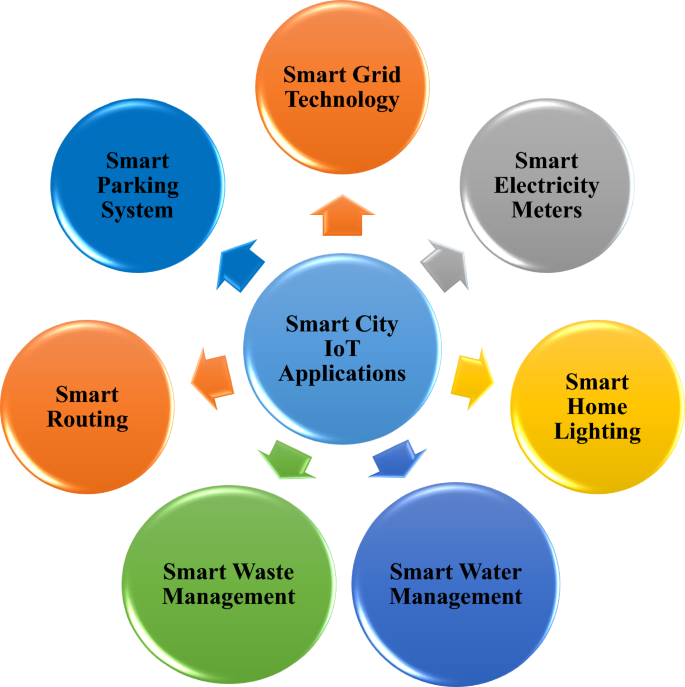
IoT Applications in Smart City Waste Management Systems: Revolutionizing Urban Sustainability
The burgeoning challenges of urban waste management demand innovative, scalable solutions. As cities grow, so does the volume of refuse, straining traditional collection methods and exacerbating environmental concerns. Enter the Internet of Things (IoT), a transformative force poised to redefine how urban centers handle their waste. This comprehensive guide delves deep into the myriad of IoT applications in smart city waste management systems, exploring how connected technologies are paving the way for unprecedented efficiency, significant cost savings, and a greener, more sustainable urban future. Discover how real-time data, intelligent automation, and advanced analytics are not just optimizing refuse collection but fundamentally reshaping the entire waste ecosystem, from citizen engagement to resource recovery. Prepare to unlock the full potential of smart waste solutions for truly resilient cities.
The Imperative for Smart Waste Management in Modern Cities
Traditional waste management practices are increasingly unsustainable. They are often characterized by inefficient collection routes, overflowing bins, high operational costs, and a significant environmental footprint. Cities worldwide grapple with challenges such as rising fuel prices, labor shortages, and the urgent need to reduce greenhouse gas emissions. The lack of granular data means decisions are often based on assumptions rather than actionable insights, leading to suboptimal resource allocation and missed opportunities for recycling and waste diversion. This antiquated approach is not only expensive but also detrimental to public health and the aesthetic appeal of urban environments. The need for a paradigm shift, driven by technology, has never been more pressing.
Challenges of Traditional Waste Management
- Inefficient Collection Routes: Fixed schedules lead to trucks collecting half-empty bins, wasting fuel and time.
- Overflowing Bins: Unpredictable waste accumulation results in unsightly overflowing bins, public health hazards, and unpleasant odors.
- High Operational Costs: Fuel consumption, labor, and vehicle maintenance costs are substantial.
- Environmental Impact: Excessive vehicle emissions contribute to air pollution and climate change.
- Lack of Data: Without real-time information, strategic planning for waste collection and disposal is severely hampered.
Why IoT is the Game-Changer for Waste Management
The Internet of Things offers a compelling antidote to these challenges. By embedding sensors, connectivity, and intelligence into waste infrastructure, IoT enables cities to move from reactive to proactive waste management. This digital transformation provides a holistic view of the waste stream, empowering municipalities to make data-driven decisions that enhance waste collection efficiency, reduce operational expenditure, and foster greater urban sustainability. IoT's capacity for real-time monitoring is the cornerstone of this revolution, turning every bin into a smart data point.
Core IoT Applications Transforming Waste Collection
The versatility of IoT allows for diverse applications across the waste management lifecycle. These core applications are fundamentally changing how waste is collected, transported, and processed.
Smart Bins and Fill-Level Monitoring
At the forefront of IoT waste management are smart waste bins equipped with ultrasonic sensors. These sensors continuously monitor the fill-level of the bin, transmitting data wirelessly to a central platform. When a bin reaches a predefined fill threshold (e.g., 70% full), an alert is generated. This real-time information allows waste management companies to know exactly which bins need emptying, eliminating unnecessary trips and preventing overflows. Some advanced smart bins also incorporate odor sensors or fire detection capabilities, adding layers of safety and hygiene. This direct insight into waste accumulation is critical for optimizing collection schedules.
Route Optimization and Predictive Analytics
Armed with real-time monitoring data from smart bins, waste management systems can employ sophisticated algorithms for route optimization. Instead of following static, pre-determined routes, collection vehicles can be dispatched only to bins that are full or nearing capacity. This dynamic routing capability significantly reduces fuel consumption, vehicle wear and tear, and labor hours. Predictive analytics, leveraging historical data and current fill levels, can even forecast waste generation patterns, allowing for proactive adjustments to routes and schedules, further enhancing overall waste collection efficiency and reducing the carbon footprint associated with waste transport.
Fleet Management and Asset Tracking
Beyond optimizing collection routes, IoT sensors on waste collection vehicles provide valuable data on fleet performance. GPS tracking offers precise location data, enabling managers to monitor routes, driver behavior, and adherence to schedules. Telematics data, including engine diagnostics, fuel consumption, and vehicle speed, can be collected and analyzed to identify inefficiencies, schedule preventative maintenance, and extend the lifespan of the fleet. This comprehensive asset tracking ensures that vehicles are operating optimally, minimizing downtime and maximizing productivity. For cities committed to environmental stewardship, this also means reduced emissions from better-maintained vehicles.
Waste Segregation and Recycling Enhancement
While often a challenge for citizens, IoT can also play a role in improving waste segregation. Smart bins can be designed with multiple compartments for different waste streams (e.g., recyclables, organic waste, general waste), with sensors ensuring correct disposal. Incentivization programs, enabled by IoT, can reward citizens for proper segregation through integrated weighing scales and user identification. This encourages greater citizen engagement in recycling efforts. Furthermore, IoT-enabled sorting facilities can use optical sensors and robotic arms to automatically identify and separate different types of waste, significantly increasing the purity and value of recycled materials and supporting the circular economy.
Beyond Collection: Data-Driven Insights and Operational Efficiency
The power of IoT in waste management extends far beyond just collection. It's about harnessing data to drive strategic decisions and improve the entire operational framework.
Centralized Data Platforms and Dashboards
All data collected from smart bins, vehicles, and sorting facilities converges on a centralized data platform. This platform acts as the brain of the smart waste management system, processing vast amounts of information and presenting it through intuitive dashboards. Municipalities and waste operators gain a holistic, real-time view of their entire waste infrastructure. This includes bin fill levels, vehicle locations, collection progress, historical trends, and key performance indicators (KPIs). Such comprehensive data analytics empowers decision-makers to identify bottlenecks, optimize resource allocation, and plan future investments with precision. Learn more about smart city infrastructure.
Predictive Maintenance for Waste Infrastructure
IoT sensors can be deployed not only on bins and vehicles but also on static waste infrastructure like compactors, transfer stations, and processing machinery. By monitoring operational parameters such as temperature, vibration, and energy consumption, these sensors can detect anomalies that indicate potential equipment failure. This enables a shift from reactive repairs to predictive maintenance, where maintenance is scheduled before a breakdown occurs. This proactive approach minimizes costly downtime, extends the lifespan of expensive equipment, and ensures uninterrupted service delivery, contributing significantly to operational efficiency.
Environmental Monitoring and Compliance
IoT plays a crucial role in enhancing the environmental impact management of waste. Sensors can monitor air quality around waste collection points, transfer stations, and landfills, detecting harmful gases or odors. This data helps in identifying pollution hotspots and implementing mitigation strategies. Furthermore, IoT systems can track compliance with environmental regulations by providing auditable records of waste volumes, disposal methods, and recycling rates. This transparency and accountability are vital for cities aiming to achieve ambitious sustainability targets and improve public health outcomes.
Benefits of Implementing IoT in Urban Waste Systems
The tangible benefits of adopting IoT in waste management are multi-faceted, impacting economic, environmental, and social dimensions of urban living.
Economic Advantages: Cost Reduction & ROI
- Reduced Fuel Consumption: Optimized routes mean fewer miles driven, leading to significant savings on fuel.
- Lower Labor Costs: More efficient routes require fewer man-hours for the same volume of waste.
- Decreased Vehicle Maintenance: Less mileage and predictive maintenance reduce wear and tear on vehicles.
- Fewer Overtime Hours: Efficient scheduling minimizes the need for extended shifts.
- Increased Revenue from Recyclables: Better segregation and collection lead to higher quality and quantity of marketable recycled materials.
Environmental Impact: Reduced Carbon Footprint & Pollution
- Lower Emissions: Fewer truck trips and optimized routes directly translate to a reduction in greenhouse gas emissions.
- Reduced Landfill Waste: Enhanced recycling and waste diversion efforts send less waste to landfills.
- Improved Air Quality: Less vehicle exhaust contributes to cleaner urban air.
- Resource Conservation: More efficient recycling conserves natural resources.
Social Impact: Improved Public Health & Citizen Satisfaction
- Cleaner Public Spaces: Prevention of overflowing bins leads to more hygienic and aesthetically pleasing urban environments.
- Reduced Odor and Pests: Timely collection minimizes odors and deters pests, improving public health.
- Enhanced Citizen Engagement: Transparent systems and potential incentive programs encourage active participation in waste management.
- Quieter Neighborhoods: Fewer, more efficient collection trips reduce noise pollution.
Operational Efficiency & Scalability
IoT systems provide unparalleled operational visibility, enabling managers to identify and rectify inefficiencies in real-time. The modular nature of IoT solutions means they can be scaled from a few smart bins to city-wide deployments, adapting to urban growth and evolving waste management needs. This inherent scalability makes IoT a future-proof investment for growing cities.
Practical Steps for Cities Adopting IoT Waste Solutions
Implementing an IoT waste management system requires careful planning and a phased approach. Here are actionable tips for cities considering this transformative journey.
Conducting a Needs Assessment
- Identify Pain Points: Pinpoint specific challenges with current waste management (e.g., high costs, frequent overflows, poor recycling rates).
- Define Objectives: Clearly articulate what you aim to achieve with IoT (e.g., reduce collection costs by 20%, increase recycling by 15%).
- Assess Current Infrastructure: Understand existing bins, vehicles, and operational processes.
Piloting Smart Solutions
Start small. Select a specific district or a set number of bins for a pilot project. This allows for testing the technology, gathering initial data, and refining processes before a broader rollout. A successful pilot builds confidence and provides valuable insights into real-world performance. This is where you can truly measure the impact on waste collection efficiency.
Phased Implementation and Scalability
Once the pilot is successful, implement the solution in phases. Begin with areas that have the most significant challenges or offer the highest potential for immediate impact. Ensure the chosen IoT platform is scalable, allowing for seamless integration of more bins and vehicles as the project expands. This phased approach minimizes disruption and allows for continuous optimization.
Data Governance and Cybersecurity Considerations
As IoT systems generate vast amounts of data, robust data governance policies are essential. This includes how data is collected, stored, analyzed, and used. Cybersecurity is paramount to protect sensitive operational data from breaches. Implementing strong encryption, access controls, and regular security audits is crucial to maintain system integrity and trust.
Engaging Stakeholders and Citizens
Successful adoption hinges on collaboration. Engage municipal departments, waste collection companies, and most importantly, citizens. Educate the public about the benefits of smart waste management and how they can contribute. User-friendly interfaces for reporting issues or accessing information can boost citizen engagement and foster a sense of shared responsibility for urban sustainability.
The Future of Smart Waste Management: AI, Robotics, and Beyond
The evolution of IoT in waste management is far from over. Future advancements promise even more sophisticated and autonomous systems.
Integration with AI and Machine Learning
Artificial Intelligence (AI) and Machine Learning (ML) will further enhance the capabilities of IoT waste systems. AI algorithms can analyze complex data patterns to predict waste generation more accurately, identify optimal collection times even in dynamic urban environments, and automate decision-making processes. ML can continuously learn from operational data, improving route optimization and predictive maintenance models over time, making systems truly self-optimizing.
Robotic Waste Sorting
The integration of robotics in waste sorting facilities is already gaining traction. AI-powered robots can identify and separate different materials with greater speed and accuracy than human labor, significantly increasing recycling rates and reducing contamination. This will be crucial for maximizing resource allocation from the waste stream.
Blockchain for Waste Traceability
Blockchain technology offers the potential for unprecedented transparency and traceability in the waste management lifecycle. From the point of disposal to recycling or final disposal, blockchain can create an immutable record of waste movement, ensuring accountability, combating illegal dumping, and verifying compliance with environmental regulations. This level of transparency will further bolster trust in the entire waste management ecosystem.
Frequently Asked Questions
What are the primary benefits of IoT in smart city waste management?
The primary benefits include significant cost reduction through optimized collection routes and reduced fuel consumption, enhanced waste collection efficiency by preventing overflowing bins, a positive environmental impact via lower emissions and increased recycling, and improved public health and citizen satisfaction due to cleaner urban environments and better waste handling. It also provides valuable data analytics for strategic decision-making.
How do smart bins contribute to waste collection efficiency?
Smart waste bins are equipped with sensors that monitor their fill levels in real-time monitoring. This data is transmitted to a central system, allowing waste operators to know exactly which bins are full and need emptying. This eliminates unnecessary trips to empty bins that are not full, thereby optimizing collection routes, reducing fuel consumption, and preventing unsightly overflows, leading to a dramatic improvement in waste collection efficiency.
What role does data analytics play in IoT waste systems?
Data analytics is the backbone of effective IoT waste systems. It processes the vast amounts of data collected from sensors on bins and vehicles. This analysis provides actionable insights into waste generation patterns, collection performance, operational costs, and environmental impact. It enables dynamic route optimization, informs strategic resource allocation, and supports predictive maintenance, allowing cities to make informed decisions for continuous improvement and greater urban sustainability.
Is IoT waste management cost-effective for cities?
Yes, IoT waste management is highly cost-effective in the long run. While there's an initial investment in sensor technology and smart infrastructure, the recurring savings from reduced fuel consumption, lower labor costs due to optimized routes, decreased vehicle maintenance, and increased revenue from efficient recycling quickly lead to a positive return on investment (ROI). The improved public health and environmental benefits also represent significant indirect economic advantages.
How can citizens participate in smart waste initiatives?
Citizen engagement is crucial for successful smart waste initiatives. Citizens can participate by correctly segregating their waste into smart bins, utilizing mobile apps to report overflowing bins or request special collections, and participating in incentivized recycling programs. Educational campaigns about the benefits of smart waste systems and how individual actions contribute to overall urban sustainability are also vital for fostering community participation and responsibility.

0 Komentar