
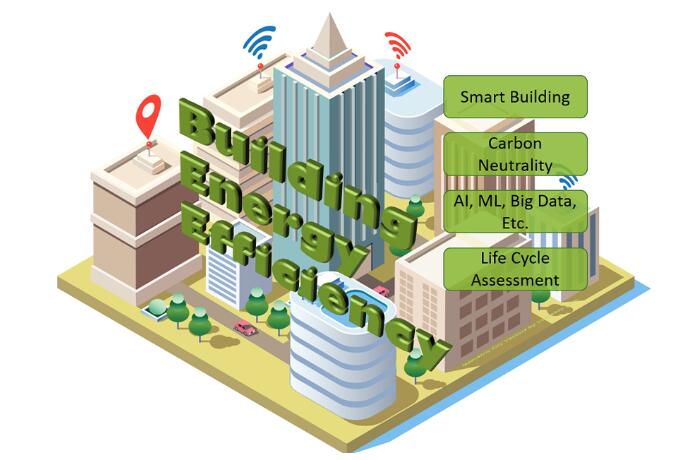
IoT Energy Efficient Devices: Paving the Way for a Reduced Carbon Footprint
In an era defined by pressing environmental concerns, the imperative to reduce our collective carbon footprint has never been more urgent. At the forefront of this global effort stands the Internet of Things (IoT), a transformative technology revolutionizing how we manage energy. IoT energy efficient devices are not just smart gadgets; they are powerful tools engineered to optimize resource consumption, minimize waste, and significantly curb greenhouse gas emissions. This comprehensive guide delves into how connected technologies are fundamentally reshaping our approach to sustainability, offering actionable insights for a greener future. Prepare to explore the profound impact of sustainable technology on environmental conservation, unlocking the potential for a truly eco-conscious world.
The Foundational Role of IoT in Energy Conservation
The core principle behind IoT's contribution to energy efficiency lies in its ability to collect vast amounts of real-time data from diverse sources, process it, and enable intelligent, automated decision-making. Unlike traditional systems that operate on fixed schedules or react only after a problem occurs, IoT-enabled devices provide granular insights into energy usage patterns. This data-driven approach allows for precise adjustments, leading to unparalleled resource optimization and a tangible reduction in energy waste across various sectors. The environmental impact of these efficiencies is profound, directly contributing to lower carbon emissions.
Real-Time Monitoring and Data Analytics
- Granular Data Collection: IoT sensors embedded in devices, buildings, and infrastructure continuously gather data on parameters like temperature, humidity, light levels, occupancy, and machine performance. This detailed information paints a clear picture of energy consumption patterns.
- Predictive Analytics: Leveraging machine learning and artificial intelligence, IoT platforms analyze historical and real-time data to predict energy demand, identify anomalies, and anticipate potential inefficiencies before they escalate. This proactive approach is key to smart energy management.
- Optimized Operation: Based on data analysis, IoT systems can automatically adjust settings. For example, smart thermostats learn user preferences and adjust temperatures based on occupancy, while smart lighting systems dim or turn off lights in unoccupied areas.
Automation and Remote Control for Efficiency
Beyond mere monitoring, IoT empowers users and systems with unparalleled control. This capability is crucial for maximizing energy savings and ensures that energy is consumed only when and where it's truly needed. The integration of automation transforms reactive energy management into a highly efficient, proactive system.
- Automated Adjustments: Think of smart building automation systems that automatically control HVAC, lighting, and ventilation based on real-time occupancy data, weather forecasts, and even utility pricing signals. This leads to significant energy savings without human intervention.
- Remote Management: Users can remotely monitor and control devices from anywhere, enabling quick adjustments to avoid energy waste. For instance, turning off forgotten lights or adjusting the thermostat from a smartphone. This convenience fosters better energy habits.
- Integration with Renewable Energy: IoT devices can intelligently manage energy flow from renewable sources like solar panels, optimizing storage and distribution to minimize reliance on grid power and further reduce the carbon footprint. This integration is vital for achieving true green IoT solutions.
Key IoT Energy Efficient Devices and Their Impact
The market for IoT energy efficient devices is rapidly expanding, offering a diverse range of solutions for homes, businesses, and entire cities. Each category plays a vital role in curbing energy consumption and mitigating climate change.
Smart Home Energy Management Systems
Homes are significant contributors to energy consumption. IoT-enabled smart home devices offer an accessible and effective way for individuals to reduce their personal environmental impact.
- Smart Thermostats: Devices like Nest or Ecobee learn your schedule and preferences, automatically adjusting temperatures to save energy when you're away or asleep. They can integrate with local weather data to pre-cool or pre-heat efficiently.
- Smart Lighting Systems: LEDs combined with motion sensors, daylight harvesting, and scheduling features ensure lights are only on when needed and at optimal brightness. Philips Hue and similar systems offer granular control and significant energy savings.
- Smart Plugs and Power Strips: These allow users to monitor energy consumption of individual appliances and remotely turn them off, eliminating "vampire drain" from electronics in standby mode.
- Smart Appliances: Refrigerators, washing machines, and dishwashers with IoT connectivity can optimize their cycles based on energy prices, load size, or even integrate with renewable energy sources.
Industrial IoT (IIoT) for Energy Optimization
The industrial sector consumes a massive amount of energy. IIoT applications offer immense potential for large-scale carbon emissions reduction through sophisticated monitoring and control.
- Asset Performance Management: IoT sensors on machinery monitor vibration, temperature, and other parameters, enabling predictive maintenance. By anticipating failures, companies avoid costly downtime and the energy-intensive process of reactive repairs.
- Smart HVAC and Building Management Systems (BMS): In large commercial or industrial buildings, advanced BMS use IoT to precisely control heating, ventilation, and air conditioning based on occupancy, external weather, and operational schedules, drastically reducing energy waste.
- Energy Monitoring and Analytics Platforms: These platforms provide real-time visibility into energy consumption across entire facilities, identifying inefficient processes, leaky systems, or underperforming equipment. This leads to targeted interventions for energy efficiency monitoring.
- Process Optimization: In manufacturing, IoT sensors can monitor and optimize production lines, ensuring machines operate at peak efficiency, minimizing material waste, and reducing energy intensive reworks.
Smart City Initiatives and Infrastructure
At the urban scale, IoT plays a crucial role in creating more sustainable and energy-efficient cities, reducing the collective carbon footprint of millions.
- Smart Street Lighting: Connected streetlights can adjust brightness based on traffic, pedestrian presence, or time of day, leading to substantial electricity savings compared to traditional always-on lighting. They can also report outages automatically.
- Smart Waste Management: IoT sensors in waste bins detect fill levels, optimizing collection routes and frequency. This reduces fuel consumption from waste collection vehicles and improves overall operational efficiency, contributing to waste minimization.
- Smart Grid Integration: IoT enables two-way communication between utilities and consumers, facilitating demand-response programs, integrating distributed renewable energy sources, and optimizing electricity distribution to reduce transmission losses. This is key for renewable energy integration.
- Intelligent Transportation Systems (ITS): Traffic sensors and connected vehicles can optimize traffic flow, reduce congestion, and minimize idling times, directly lowering fuel consumption and vehicle emissions.
Actionable Tips for Implementing IoT for Carbon Footprint Reduction
Adopting IoT solutions for energy efficiency requires a strategic approach. Here are practical steps and considerations for individuals, businesses, and municipalities looking to leverage this technology for a greener future.
For Homeowners:
- Start Small, Think Big: Begin with a smart thermostat or a few smart plugs to understand the technology and see initial savings. Gradually expand to smart lighting, appliances, and whole-home energy monitoring.
- Monitor and Analyze: Utilize the data provided by your smart devices. Many apps offer insights into energy consumption, helping you identify energy hogs and areas for improvement.
- Integrate Systems: Where possible, choose devices that can communicate with each other (e.g., through platforms like Apple HomeKit, Google Home, or Amazon Alexa) to create a more cohesive and automated energy-saving ecosystem.
- Regular Maintenance: Ensure your IoT devices and the systems they control (like HVAC) are regularly maintained for optimal performance and energy efficiency.
For Businesses and Industries:
- Conduct an Energy Audit: Before deploying IoT, understand your current energy consumption patterns and identify the biggest areas of waste. This will guide your IoT investment.
- Pilot Programs: Implement IoT solutions in a specific department or facility first to test their effectiveness and refine your strategy before scaling up.
- Choose Scalable and Secure Solutions: Select IoT platforms and devices that can grow with your needs and offer robust cybersecurity measures to protect sensitive data.
- Train Your Workforce: Educate employees on how to interact with and benefit from new IoT systems. User adoption is critical for maximizing energy savings.
- Focus on Data-Driven Decisions: Leverage the analytics capabilities of IoT platforms to continuously optimize processes and identify new opportunities for energy efficiency monitoring. Consider integrating with existing enterprise resource planning (ERP) systems.
For Smart City Planners:
- Develop a Comprehensive Smart City Vision: Integrate energy efficiency and carbon reduction goals into the core of your urban development strategy.
- Foster Public-Private Partnerships: Collaborate with technology providers, utility companies, and local businesses to co-create and implement innovative IoT solutions.
- Prioritize Interoperability: Ensure that different IoT systems and sensors can communicate and share data seamlessly to maximize efficiency and avoid data silos.
- Engage Citizens: Inform residents about smart city initiatives and their benefits, encouraging participation in demand-response programs or adoption of smart home technologies.
- Measure and Report: Continuously monitor the impact of IoT deployments on energy consumption and carbon emissions, using data to refine strategies and demonstrate progress. This commitment to transparency helps secure ongoing support and funding.
Frequently Asked Questions
How do IoT energy efficient devices directly reduce carbon footprint?
IoT energy efficient devices reduce carbon footprint primarily by optimizing energy consumption. They achieve this through real-time monitoring, data analytics, and automation, which minimize waste in electricity, heating, and cooling. By using less energy, especially that generated from fossil fuels, these devices directly lower the emission of greenhouse gases like CO2, thereby mitigating their environmental impact and contributing to carbon emissions reduction.
What is the payback period for investing in IoT energy saving solutions?
The payback period for investing in IoT energy efficient devices varies significantly based on the scale of deployment, the initial energy waste, and the cost of the specific solutions. For smart homes, some devices like smart thermostats can offer a payback within 1-3 years due to significant utility bill reductions. In industrial or commercial settings, where energy consumption is much higher, the return on investment can be even faster, often within months to a couple of years, especially with comprehensive smart energy management systems.
Are there any security concerns with using IoT devices for energy management?
Yes, security is a significant concern with any IoT deployment, including those for energy management. Vulnerabilities can lead to unauthorized access, data breaches, or even manipulation of energy systems. It's crucial to choose devices from reputable manufacturers, use strong, unique passwords, regularly update firmware, and segment IoT networks. Implementing robust cybersecurity protocols is essential to protect both data and operational integrity when leveraging sustainable technology solutions.
Can IoT devices integrate with existing energy infrastructure?
Absolutely. One of the strengths of IoT is its ability to integrate with and enhance existing infrastructure. For instance, smart grid IoT solutions can layer over traditional power grids, enabling advanced metering and demand-response capabilities. In buildings, IoT sensors and controllers can often be retrofitted into existing HVAC and lighting systems, transforming them into intelligent, energy-saving assets without requiring a complete overhaul. This adaptability makes IoT energy efficient devices a practical choice for widespread adoption.
Beyond energy, how else do IoT devices contribute to sustainability?
Beyond direct energy savings, IoT energy efficient devices contribute to broader sustainability goals in several ways. They facilitate waste minimization by optimizing resource use in supply chains and manufacturing. They enable better water management through smart irrigation and leak detection. IoT also supports the transition to a circular economy by tracking product lifecycles and enabling efficient recycling. Furthermore, precise environmental monitoring using IoT sensors helps in pollution control and conservation efforts, enhancing overall resource optimization.

0 Komentar