
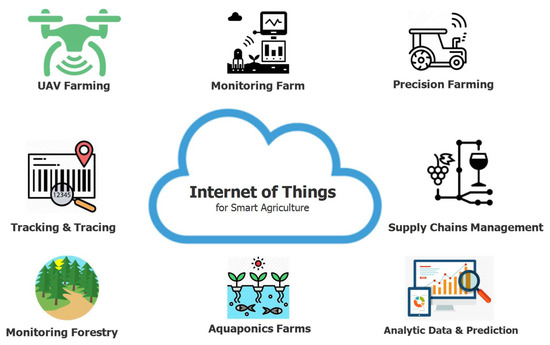
Revolutionizing Agriculture: The Power of IoT Platforms for Smart Farming Solutions
In an era where global food demand is skyrocketing and environmental challenges loom large, IoT platforms for smart agriculture are emerging as the cornerstone of modern, sustainable farming. These sophisticated technological frameworks provide the essential infrastructure for collecting, processing, and analyzing vast amounts of agricultural data, transforming traditional farming practices into highly efficient, data-driven operations. Embracing these platforms is no longer a luxury but a strategic imperative for farmers and agri-businesses looking to optimize yields, conserve resources, and enhance overall farm productivity. This comprehensive guide delves into how these powerful platforms enable the creation of robust IoT solutions for agriculture, driving unprecedented levels of efficiency and sustainability.
The Imperative of IoT in Modern Agriculture
The agricultural sector faces multifaceted challenges, including climate change variability, water scarcity, labor shortages, and the pressing need to feed a growing global population. Traditional farming methods, while foundational, often lack the precision and responsiveness required to navigate these complexities effectively. This is where the Internet of Things (IoT) steps in, offering a paradigm shift through its ability to connect physical devices, sensors, and machines, enabling real-time data collection and automated decision-making. Smart agriculture, powered by IoT, facilitates better resource management, early disease detection, and optimized crop and livestock management, leading to significant improvements in efficiency and profitability.
For instance, implementing precision agriculture techniques through IoT allows farmers to apply water, fertilizers, and pesticides with pinpoint accuracy, reducing waste and environmental impact. Similarly, continuous monitoring of livestock health can prevent outbreaks and ensure animal welfare. Without robust IoT platforms, the sheer volume of data generated by myriad sensors and devices would be overwhelming, making actionable insights difficult to derive. These platforms are the central nervous system that makes the promise of digital farming a tangible reality, streamlining operations and fostering sustainable practices.
What Are IoT Platforms and Why They Matter for AgriTech?
An IoT platform is a multi-layered technology stack that serves as the foundation for building, deploying, and managing IoT applications. It acts as the middleware connecting various hardware components (sensors, actuators, drones, machinery) with software applications and analytics tools. For the agricultural sector, an effective agricultural IoT platform provides a unified environment to:
- Connect Devices: Securely onboard and manage a diverse range of IoT sensors and devices across the farm.
- Collect & Ingest Data: Gather vast quantities of data from various sources, including soil moisture sensors, weather stations, drone imagery, and livestock trackers.
- Process & Analyze Data: Transform raw data into meaningful insights using advanced analytics, machine learning, and artificial intelligence algorithms.
- Manage Devices: Monitor the status, performance, and health of connected devices, and perform remote updates or troubleshooting.
- Enable Applications: Provide APIs and tools for developers to build custom applications and dashboards for farmers, facilitating decision-making.
- Ensure Security: Protect sensitive agricultural data from cyber threats and ensure compliance with data privacy regulations.
The significance of these platforms for agri-tech cannot be overstated. They abstract away the complexities of device integration, connectivity protocols, and data infrastructure, allowing farmers and solution providers to focus on developing applications that deliver direct value. Instead of building every component from scratch, which is time-consuming and expensive, an IoT platform offers a ready-made framework, accelerating the deployment of smart farming solutions and reducing the total cost of ownership.
Key Features of an Effective IoT Platform for Smart Agriculture
Selecting the right IoT platform is crucial for the success of any smart agriculture initiative. A robust platform designed for the unique demands of farming should possess several key features:
Data Collection and Sensor Integration
The foundation of any IoT solution is data. An effective platform must support seamless integration with a wide array of agricultural sensors, including soil moisture sensors, nutrient sensors, temperature and humidity sensors, light sensors, and air quality sensors. It should also accommodate data from GPS-enabled machinery, drones, and satellite imagery. The ability to collect diverse data types in real-time is paramount for comprehensive farm monitoring.
Connectivity Management
Given that farms often operate in remote areas with limited internet infrastructure, the platform must support various connectivity options, including cellular (4G/5G), LoRaWAN, NB-IoT, satellite, and even local mesh networks. Efficient management of these connections, including device provisioning and data routing, is vital to ensure continuous data flow and reliable operation of connected devices. Robust connectivity is non-negotiable for real-time insights.
Data Processing and Analytics
Raw data is just noise without proper processing. A powerful IoT platform for agriculture includes robust data ingestion, storage, and processing capabilities. This involves filtering, normalizing, and aggregating data. More importantly, it should integrate advanced analytics, machine learning (ML), and artificial intelligence (AI) to transform data into actionable insights, such as:
- Predictive Analytics: Forecasting crop yields, disease outbreaks, or equipment failures.
- Prescriptive Analytics: Recommending optimal irrigation schedules, fertilization plans, or pest control strategies.
- Real-time Monitoring: Providing immediate alerts for critical events like sudden temperature drops or livestock distress.
This intelligent analysis is what truly empowers farmers to make data-driven decisions for yield optimization and resource efficiency.
Device Management and Orchestration
Managing hundreds or thousands of devices across a large farm can be complex. The platform should offer comprehensive device management functionalities, including remote provisioning, configuration, firmware updates over-the-air (FOTA), diagnostics, and troubleshooting. This ensures that all connected devices are operating optimally and securely, minimizing downtime and maintenance costs.
Application Enablement and User Interface
Ultimately, the value of an IoT platform is realized through its applications. The platform should provide intuitive tools, APIs, and SDKs for developing custom dashboards, mobile apps, and web interfaces tailored to specific agricultural needs. These applications should offer a clear, user-friendly visualization of data, enabling farmers to easily monitor conditions, control equipment, and receive actionable recommendations. An integrated farm management system is often built atop these capabilities.
Scalability and Interoperability
As farms grow and technology evolves, the IoT platform must be scalable to accommodate an increasing number of devices and data volume without performance degradation. Furthermore, it should be interoperable, meaning it can easily integrate with existing farm machinery, legacy systems, and other third-party software (e.g., ERP systems, weather forecasting services). This ensures a holistic and connected agricultural ecosystem.
Security and Data Privacy
Agricultural data, including crop yields, livestock health, and operational practices, can be highly sensitive. A top-tier IoT platform must prioritize robust security measures, including end-to-end encryption, secure device authentication, access control, and regular security audits. Compliance with data privacy regulations is also critical to build trust and protect farmers' valuable information.
Leading IoT Platforms Driving Agricultural Innovation
While many general-purpose IoT platforms can be adapted for agriculture, some stand out due to their comprehensive features and ecosystem support. These platforms provide the underlying infrastructure for various smart farming technology deployments:
- AWS IoT (Amazon Web Services IoT): Offers a broad suite of services for connecting devices, ingesting data, and building powerful analytics and machine learning applications. Its scalability and global reach make it suitable for large-scale agricultural operations.
- Azure IoT (Microsoft Azure IoT): Provides robust tools for device connectivity, data processing, and integration with Microsoft's extensive AI and analytics capabilities. It supports edge computing solutions vital for remote farm environments.
- Google Cloud IoT Core: Focuses on secure device connection, data ingestion, and seamless integration with Google Cloud's data analytics and machine learning services, ideal for predictive modeling in agriculture.
- IBM Watson IoT Platform: Leverages IBM's AI capabilities to provide deep insights from agricultural data, supporting applications for weather prediction, crop health monitoring, and supply chain optimization.
- Specialized Agri-Tech Platforms: Beyond the major cloud providers, numerous platforms are built specifically for agriculture, often offering pre-built modules for specific use cases like irrigation management, livestock tracking, or pest control. Examples include Climate FieldView (Bayer), John Deere Operations Center, and various startup offerings focusing on niche agricultural segments. These often provide more tailored dashboards and integrations with agricultural equipment.
The choice of platform often depends on the specific needs, existing infrastructure, and budget of the agricultural enterprise. However, all these platforms aim to facilitate the digital transformation of farming, enabling more efficient and sustainable practices through comprehensive data analytics and connectivity.
Implementing IoT Solutions in Smart Agriculture: Best Practices
Successfully deploying IoT solutions for smart agriculture requires more than just choosing a powerful platform. Adhering to best practices ensures optimal results and a strong return on investment:
Define Clear Objectives
Before implementing any IoT solution, clearly identify the specific problems you aim to solve or the efficiencies you wish to gain. Are you looking to reduce water consumption, optimize fertilizer use, monitor livestock health, or improve labor efficiency? Clear objectives guide the selection of appropriate technologies and ensure the project remains focused.
Start Small, Scale Up
Begin with a pilot project in a specific area or for a particular crop/livestock type. This allows for testing the technology, understanding its impact, and refining the approach before a full-scale deployment. Learning from a smaller implementation minimizes risk and optimizes the scaling process. This iterative approach is key for effective resource management.
Choose the Right Sensors and Devices
The effectiveness of an IoT solution hinges on accurate data. Select sensors and devices that are robust, reliable, and specifically designed for agricultural environments (e.g., weather-resistant, long battery life). Ensure they collect the precise data points needed to meet your objectives.
Ensure Robust Connectivity
Rural areas often present connectivity challenges. Invest in a reliable network infrastructure, whether it's LoRaWAN gateways, cellular boosters, or satellite internet, to ensure continuous data flow from all devices to the IoT platform. Without consistent connectivity, real-time insights are impossible.
Focus on Actionable Insights, Not Just Data
The goal is not merely to collect data but to transform it into actionable insights. Ensure the chosen platform and its applications provide clear, intuitive dashboards and alerts that enable farmers to make informed decisions quickly. The data should lead directly to improved practices and decision support systems.
Train Farm Personnel
Technology adoption depends heavily on user proficiency. Provide adequate training for farm personnel on how to use the new IoT systems, interpret data, and respond to alerts. User acceptance and understanding are critical for maximizing the benefits of the technology.
Consider Edge Computing for Remote Areas
For large farms or remote locations where cloud connectivity might be intermittent or expensive, consider IoT platforms that support edge computing. This allows data processing and initial analysis to occur closer to the data source (on the farm), reducing latency and bandwidth requirements, and enabling quicker local decision-making.
Challenges and Future Trends in Agricultural IoT
While the potential of IoT platforms in smart agriculture is immense, challenges remain. These include the high initial investment, the need for specialized technical skills, interoperability issues between diverse farm equipment, and ensuring robust data security and privacy. Connectivity in vast rural areas also continues to be a hurdle.
However, future trends point towards even more sophisticated and integrated solutions. We can expect greater adoption of AI and machine learning for hyper-personalized farming recommendations, further integration of agricultural robotics and automation, and the use of blockchain for enhanced traceability and supply chain transparency. The convergence of IoT with advanced analytics, drones, and autonomous vehicles will continue to drive unprecedented efficiencies, transforming global food production and ensuring a more sustainable future for farming.
Frequently Asked Questions
What is the primary benefit of using IoT platforms in smart agriculture?
The primary benefit of using IoT platforms for smart agriculture is the ability to transform raw farm data into actionable insights, enabling farmers to make data-driven decisions. This leads to optimized resource allocation (water, fertilizer, pesticides), improved crop yields, enhanced livestock health monitoring, reduced operational costs, and increased sustainability. Essentially, they provide the intelligence needed for precision farming and more efficient farm management.
How do IoT platforms ensure data security for farm operations?
IoT platforms ensure data security through several layers of protection. This includes secure device authentication and authorization to prevent unauthorized access, end-to-end data encryption during transmission and storage, robust access control mechanisms for users, and regular security audits and updates. Many platforms also offer features like anomaly detection to identify unusual data patterns that might indicate a breach, ensuring the integrity and confidentiality of sensitive agricultural data.
Can small farms afford to implement IoT solutions through these platforms?
Yes, while initial costs can be a consideration, many IoT platforms offer scalable solutions that can be tailored to small farms. There are increasingly affordable sensor kits, cloud-based platform services with pay-as-you-go models, and open-source options. The long-term benefits, such as reduced input costs (water, fertilizer), increased yields, and improved efficiency, often lead to a significant return on investment, making cost-effectiveness a key factor even for smaller operations. Focusing on specific pain points first can also make it more manageable.
What role does AI play within an IoT platform for agriculture?
AI plays a transformative role within an agricultural IoT platform by processing the vast amounts of data collected from sensors and devices. AI algorithms can analyze complex patterns to predict crop diseases, forecast weather changes, optimize irrigation schedules based on soil and weather conditions, and recommend precise nutrient applications. This AI-driven insights capability moves beyond simple monitoring to provide prescriptive advice, empowering farmers with intelligent automation and decision support.
How do IoT platforms help with water management in farming?
IoT platforms are crucial for advanced water management in farming. By integrating data from soil moisture sensors, weather stations, and crop health monitors, the platform can precisely determine when and how much water is needed for specific areas of a field. This enables automated or highly precise irrigation systems, minimizing water waste, preventing over- or under-watering, and ensuring optimal crop hydration. This leads to significant water conservation and improved resource efficiency, which is vital for sustainable agriculture.

0 Komentar