
Revolutionizing Cardiac Care: IoT Remote Patient Monitoring Devices for Heart Failure
Heart failure, a chronic and progressive condition affecting millions globally, demands continuous vigilance and personalized care. For too long, managing this complex disease has relied heavily on episodic clinic visits, often leading to delayed interventions, increased hospital readmissions, and a diminished quality of life for patients. Enter the era of the Internet of Things (IoT), a technological marvel that is fundamentally transforming healthcare, particularly in the realm of remote patient monitoring (RPM). This comprehensive guide delves into how IoT remote patient monitoring devices for heart failure are not just a futuristic concept but a vital, tangible solution actively empowering patients and clinicians, offering unprecedented insights, and paving the way for proactive, preventative cardiac care.
Understanding the Challenge of Heart Failure Management
Managing heart failure is a delicate balancing act. Patients often experience fluctuating symptoms such as shortness of breath, fluid retention, fatigue, and weight gain, which can rapidly escalate into acute decompensation requiring emergency hospitalization. The traditional model of care, characterized by infrequent in-person appointments, leaves significant gaps in monitoring critical physiological changes between visits. This lack of continuous data makes it challenging for healthcare providers to detect early warning signs, adjust medications promptly, and provide timely interventions. The result is often a cycle of hospitalizations, which are not only costly but also detrimental to the patient's physical and mental well-being. This is precisely where advanced telehealth solutions and IoT-enabled healthcare technologies step in, offering a paradigm shift in chronic disease management.
The Gaps in Traditional Heart Failure Care:
- Intermittent Data Collection: Information is only gathered during clinic visits, missing crucial daily fluctuations.
- Delayed Interventions: Worsening symptoms might not be reported or detected until they become severe.
- High Readmission Rates: A significant portion of heart failure patients are readmitted within 30 days of discharge.
- Patient Burden: Frequent travel to clinics can be physically demanding and inconvenient.
- Limited Real-Time Insights: Clinicians lack immediate access to how patients are faring in their home environment.
The Transformative Power of IoT in Remote Patient Monitoring
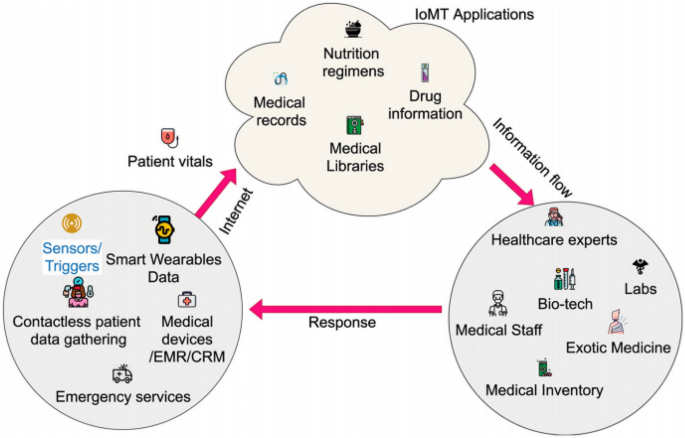
The Internet of Things, in its essence, is a network of interconnected physical objects embedded with sensors, software, and other technologies that enable them to connect and exchange data with other devices and systems over the internet. When applied to healthcare, specifically remote cardiac monitoring, IoT transforms ordinary medical devices into smart, data-gathering instruments. These devices can continuously collect vital signs, physiological parameters, and even activity levels, transmitting this data securely to healthcare providers. This constant stream of information allows for real-time assessment of a patient's condition, enabling clinicians to intervene proactively before a crisis unfolds. It represents a significant leap forward in personalized care plans and the proactive management of chronic conditions like heart failure.
How IoT Enhances Cardiac Care:
- Continuous Data Flow: From blood pressure to weight, heart rate to oxygen saturation, data is collected around the clock.
- Early Detection: Subtle changes, often precursors to acute events, are identified much sooner.
- Empowered Patients: Patients become active participants in their own care, understanding their health metrics better.
- Reduced Hospitalizations: Proactive interventions can prevent emergency room visits and inpatient stays.
- Optimized Treatment: Clinicians can make data-driven decisions on medication adjustments and lifestyle recommendations.
Key IoT Devices for Heart Failure Monitoring
A diverse array of wearable health technology and home-based medical devices constitute the backbone of an effective IoT RPM system for heart failure. These devices are designed to be user-friendly, non-invasive, and capable of seamlessly integrating into a patient's daily routine. The goal is to capture a holistic picture of the patient's health status, beyond just a single metric.
Essential IoT Devices for Heart Failure Patients:
- Smart Weight Scales: Daily weight monitoring is crucial for heart failure patients, as sudden weight gain can indicate fluid retention, a common sign of worsening heart failure. IoT-enabled scales automatically transmit weight data to the healthcare team, flagging concerning trends immediately.
- Connected Blood Pressure Monitors: Regular measurement of blood pressure is vital. These devices provide accurate readings and transmit them wirelessly, allowing clinicians to monitor for hypertension or hypotension trends that could impact cardiac function.
- Pulse Oximeters: These small devices measure blood oxygen saturation levels and pulse rate. Low oxygen levels can indicate respiratory distress, a common symptom of advanced heart failure.
- Wearable Sensors (Smartwatches & Patches): Many commercially available smartwatches now offer advanced cardiac monitoring features, including continuous heart rate tracking, ECG capabilities (electrocardiogram), and even activity levels. Specialized medical-grade patches can provide continuous, clinical-grade ECG monitoring for arrhythmia detection. These devices contribute significantly to vital signs monitoring.
- Glucose Meters (for comorbid diabetes): As diabetes often coexists with heart failure, IoT glucose meters allow for integrated management of both conditions, providing a more complete picture of metabolic health.
- Smart Medication Dispensers: These devices can remind patients to take their medications, track adherence, and report back to the care team, addressing a common challenge in chronic disease management.
How IoT RPM Devices Work: A Technical Overview
The operational framework of IoT remote patient monitoring devices for heart failure involves several interconnected components, ensuring seamless data flow from the patient's home to the clinician. Understanding this process highlights the robustness and security built into these systems.
The IoT RPM Workflow:
- Data Acquisition: IoT sensors embedded in devices like smart scales, blood pressure cuffs, or wearable patches collect physiological data from the patient.
- Data Transmission: The collected data is typically transmitted wirelessly (via Bluetooth, Wi-Fi, or cellular networks) from the device to a central hub, often a dedicated gateway device, a smartphone app, or directly to a secure cloud platform.
- Secure Cloud Storage & Processing: Data is encrypted and stored in a secure, HIPAA-compliant cloud environment. Here, data analytics in healthcare algorithms process the raw data, identify trends, and flag anomalies.
- Alert Generation: If predefined thresholds are breached (e.g., rapid weight gain, significant blood pressure changes, or critically low oxygen levels), the system generates automated alerts for the care team. This is a critical aspect of predictive analytics for cardiac events.
- Clinician Dashboard: Healthcare providers access a secure, centralized dashboard that displays patient data in an intuitive format. They can review trends, respond to alerts, and communicate with patients.
- Patient Engagement Tools: Many systems include patient-facing apps that allow individuals to view their own data, set reminders, and communicate directly with their care team, fostering greater patient engagement.
A crucial aspect of this ecosystem is interoperability in healthcare, ensuring that data from various devices can be seamlessly integrated into electronic health records (EHRs) and other clinical systems, providing a holistic view of the patient.
Benefits of IoT Remote Patient Monitoring for Heart Failure Patients
The advantages of implementing IoT remote patient monitoring devices for heart failure extend far beyond mere data collection. They fundamentally reshape the patient experience and clinical outcomes, offering a compelling case for their widespread adoption.
Key Benefits Include:
- Reduced Hospital Readmission Rates: By enabling early detection of decompensation, RPM significantly lowers the likelihood of emergency room visits and subsequent hospitalizations, directly impacting hospital readmission rates. Studies have shown substantial reductions, leading to better patient outcomes and lower healthcare costs.
- Improved Patient Outcomes and Quality of Life: Patients feel more secure knowing they are continuously monitored. This constant oversight leads to quicker interventions, better symptom management, and ultimately, an enhanced quality of life as they can manage their condition more effectively from the comfort of their homes.
- Enhanced Medication Adherence: Through reminders and tracking features, RPM systems help patients stick to their prescribed medication regimens, a critical factor in managing heart failure effectively.
- Personalized and Proactive Care: The wealth of data allows clinicians to tailor treatment plans with unprecedented precision. Instead of reacting to crises, care becomes proactive, focusing on prevention and early intervention. This is the essence of personalized care plans.
- Cost Savings for Patients and Healthcare Systems: By reducing hospitalizations, emergency visits, and in-person appointments, RPM contributes to significant cost efficiencies for both patients (less travel, fewer out-of-pocket expenses) and the broader healthcare system.
- Increased Patient Education and Empowerment: Patients gain a deeper understanding of their condition by seeing their own data trends. This fosters a sense of control and encourages active participation in their health journey.
- Accessibility to Care: For patients in rural areas or those with mobility issues, RPM provides access to high-quality care that might otherwise be difficult to obtain.
Addressing Challenges and Ensuring Success in IoT RPM Deployment
While the benefits are clear, successful implementation of IoT remote patient monitoring devices for heart failure requires careful consideration of several challenges. Addressing these proactively is key to maximizing the system's potential.
Common Challenges and Solutions:
- Data Security and Privacy: Given the sensitive nature of health data, robust encryption, secure servers, and compliance with regulations like HIPAA (Health Insurance Portability and Accountability Act) are paramount. Providers must ensure secure data transmission protocols are in place.
- Patient Engagement and Adherence: Not all patients are tech-savvy or willing to adopt new technologies. Solutions include providing clear, simple instructions, ongoing technical support, and demonstrating the direct benefits to the patient's health. Gamification or reward systems can also boost adherence.
- Interoperability Issues: Integrating data from various devices and platforms into existing EHRs can be complex. Standardized data formats and open APIs (Application Programming Interfaces) are crucial for seamless interoperability in healthcare.
- Alert Fatigue for Clinicians: A constant stream of alerts can overwhelm healthcare providers. Intelligent algorithms that prioritize critical alerts and filter out noise are essential. Clear protocols for alert response must be established.
- Reimbursement Models: Ensuring sustainable reimbursement for RPM services is vital for widespread adoption. Advocacy for favorable policies and clear billing guidelines is ongoing.
- Digital Divide: Access to reliable internet and smart devices can be a barrier for some populations. Programs to provide devices and connectivity, alongside digital literacy training, can help bridge this gap.
Actionable Tip: When selecting an RPM solution, prioritize platforms that offer intuitive user interfaces for both patients and clinicians, robust security features, and demonstrated integration capabilities with your existing healthcare IT infrastructure.
The Future of Cardiac Care: AI, Predictive Analytics, and IoT
The synergy between IoT, Artificial Intelligence (AI), and advanced data analytics is poised to propel heart failure management into an even more sophisticated realm. While current IoT RPM systems excel at collecting data and triggering alerts based on predefined thresholds, the future lies in leveraging AI to interpret this vast amount of data for truly proactive and personalized care.
Emerging Trends and Opportunities:
- Advanced Predictive Analytics: AI algorithms can analyze complex patterns in physiological data, lifestyle information, and even environmental factors to predict the likelihood of a heart failure exacerbation days or weeks in advance, allowing for even earlier interventions. This goes beyond simple threshold alerts to true risk stratification.
- Personalized Digital Biomarkers: AI can identify unique digital biomarkers for individual patients, offering highly personalized insights into their specific disease progression and response to treatment.
- AI-Powered Coaching and Education: AI can deliver tailored educational content and coaching tips to patients based on their real-time data, promoting healthier behaviors and self-management.
- Virtual Care Teams: IoT data will increasingly feed into virtual care platforms, enabling multidisciplinary teams (cardiologists, nurses, dietitians, pharmacists) to collaborate seamlessly and provide comprehensive support remotely.
- Integration with Genomics and Proteomics: Combining IoT data with genomic and proteomic information could lead to hyper-personalized treatment strategies based on an individual's unique biological makeup.
The continuous innovation in smart medical devices and the growing sophistication of AI will undoubtedly lead to even more effective and accessible heart failure management solutions, ultimately improving the lives of millions.
Frequently Asked Questions
What is the primary goal of IoT remote patient monitoring for heart failure?
The primary goal of IoT remote patient monitoring devices for heart failure is to enable continuous, real-time collection of vital physiological data from patients in their home environment. This allows healthcare providers to proactively monitor their condition, detect early signs of worsening heart failure, prevent acute exacerbations, reduce hospital readmissions, and improve overall patient outcomes and quality of life through timely interventions and personalized care.
What types of data do IoT devices typically collect for heart failure patients?
IoT devices for heart failure patients typically collect a range of critical data points. This commonly includes daily weight, blood pressure (systolic and diastolic), heart rate, blood oxygen saturation levels, and often activity levels. Some advanced devices may also capture ECG readings or track medication adherence. This comprehensive data set provides clinicians with a holistic view, crucial for effective chronic disease management.
Are IoT remote patient monitoring devices secure and private?
Reputable IoT remote patient monitoring devices for heart failure and their associated platforms are designed with robust security and privacy features. They employ strong encryption protocols for data transmission and storage, ensuring compliance with strict healthcare data regulations like HIPAA. Data is typically stored on secure, cloud-based servers with multiple layers of protection to safeguard patient information and ensure secure data transmission.
How do IoT RPM systems help reduce hospital readmissions for heart failure?
IoT remote patient monitoring devices for heart failure play a crucial role in reducing hospital readmission rates by enabling early detection of physiological changes that precede acute heart failure events. For instance, a rapid weight gain detected by a smart scale can signal fluid retention, prompting immediate intervention from the care team before severe symptoms develop, thus preventing an emergency room visit or hospitalization.
Who benefits most from using IoT remote patient monitoring devices for heart failure?
Both heart failure patients and healthcare providers benefit significantly. Patients gain increased peace of mind, improved quality of life, and a more active role in their own care, often avoiding disruptive hospital stays. Healthcare providers gain continuous insights, enabling them to deliver more proactive, data-driven, and personalized care, leading to better clinical outcomes and more efficient resource utilization in telehealth solutions.

0 Komentar