
Revolutionizing Diabetes Care: The Power of IoT Remote Patient Monitoring Devices
Living with diabetes demands constant vigilance and precise management of blood sugar levels. For millions worldwide, this daily challenge can be overwhelming. Fortunately, the landscape of diabetes care is undergoing a profound transformation, spearheaded by IoT remote patient monitoring devices for diabetes management. These cutting-edge connected health solutions are empowering individuals to take control of their health like never before, offering unprecedented convenience, accuracy, and peace of mind. Dive into how these innovative technologies are reshaping chronic disease management, providing continuous insights, and fostering a more proactive, personalized approach to care.
The Imperative of Proactive Diabetes Management with IoT
Diabetes, a complex metabolic disorder, requires meticulous tracking of glucose fluctuations to prevent severe short-term complications like hypoglycemia and hyperglycemia, as well as long-term issues such as cardiovascular disease, neuropathy, and kidney damage. Traditional methods often involve manual logging of blood glucose readings, which can be inconsistent, time-consuming, and fail to capture the full picture of a patient's glycemic patterns. This is where the Internet of Things (IoT) steps in as a game-changer. By enabling devices to collect and transmit health data seamlessly, IoT empowers patients and healthcare providers with real-time, actionable insights, moving care from reactive to proactive.
The integration of IoT in diabetes management signifies a paradigm shift. It means that instead of relying on periodic doctor visits to review fragmented data, a continuous stream of vital information is available, allowing for timely interventions and dynamic adjustments to treatment plans. This shift is not just about technology; it's about enhancing patient engagement and fostering a collaborative approach to health, making diabetes management less burdensome and more effective.
Key IoT Devices Powering Remote Diabetes Care
The ecosystem of IoT remote patient monitoring devices for diabetes is expanding rapidly, offering a diverse range of tools designed to address different aspects of diabetes care. These devices leverage advanced sensors and connectivity to provide comprehensive data.
- Continuous Glucose Monitors (CGMs): Perhaps the most revolutionary of IoT diabetes management tools, CGMs measure glucose levels in interstitial fluid every few minutes, providing a constant stream of data. This eliminates the need for frequent finger pricks and offers insights into trends and patterns that traditional glucometers cannot. Patients can see how food, exercise, and medication impact their glucose in real-time, leading to more informed decisions.
- Smart Insulin Pens and Pumps: These devices automate or assist insulin delivery. Smart insulin pens record dosage, time, and even integrate with CGM data to recommend appropriate insulin amounts. Smart insulin pumps offer even greater automation, delivering insulin continuously and adjusting dosage based on CGM readings, effectively creating an artificial pancreas system for some users.
- Smart Glucometers: While CGMs are gaining prominence, traditional glucometers are also evolving. Smart glucometers automatically sync blood glucose readings to a smartphone app or telehealth platform, eliminating manual logging and reducing errors.
- Wearable Sensors and Activity Trackers: Beyond glucose, general wearable sensors track physical activity, sleep patterns, and heart rate. While not directly managing glucose, this data provides a holistic view of a patient's lifestyle, which significantly impacts diabetes control. Integration with diabetes management apps allows for a comprehensive health overview.
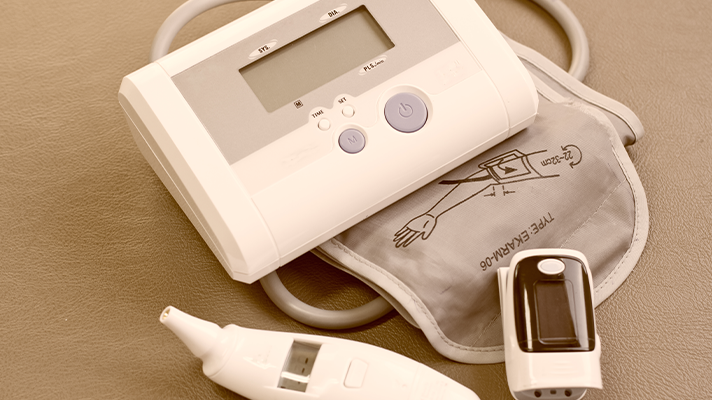
- Smart Scales and Blood Pressure Monitors: For patients with co-morbidities, smart scales and blood pressure monitors can also sync data to a central platform, providing a complete picture of their cardiovascular health, which is critical for diabetes patients.
How IoT Remote Patient Monitoring Transforms Diabetes Management
The true power of IoT remote healthcare solutions lies not just in the devices themselves, but in their ability to integrate, analyze, and present data in meaningful ways. This data flow creates a robust feedback loop that benefits both patients and providers.
- Continuous Data Collection: Devices like CGMs automatically collect vast amounts of glucose data throughout the day and night, capturing fluctuations that might otherwise be missed.
- Secure Data Transmission: This data is wirelessly transmitted via Bluetooth or Wi-Fi to a secure cloud-based platform or a smartphone application. Data security and privacy are paramount, with robust encryption protocols in place.
- Advanced Health Data Analytics: The collected data is then processed and analyzed by sophisticated algorithms. These algorithms identify trends, predict potential highs or lows, and highlight patterns related to diet, exercise, and medication adherence. This forms the backbone of personalized care plans.
- Real-time Alerts and Notifications: Both patients and designated caregivers or healthcare providers can receive immediate alerts for critical events, such as dangerously low or high glucose levels. This allows for prompt intervention, preventing emergencies.
- Virtual Consultations and Telehealth Integration: The data is accessible to healthcare teams through secure telehealth platforms, enabling virtual consultations. Clinicians can review comprehensive glucose reports, adjust insulin dosages, and offer dietary advice without the patient needing to visit a clinic physically. This is particularly beneficial for patients in rural areas or those with mobility issues.
- Educational Resources and Coaching: Many IoT platforms also integrate educational content, coaching programs, and peer support communities, further empowering patients with knowledge and motivation.
Tangible Benefits for Patients and Providers
The adoption of IoT remote patient monitoring devices for diabetes management offers a multitude of advantages, significantly improving the quality of life for patients and enhancing the efficiency of healthcare delivery.
For Patients: Enhanced Control and Quality of Life
- Improved Glycemic Control: Real-time data and alerts enable patients to make immediate adjustments to diet, exercise, or insulin, leading to more stable blood sugar levels and reduced HbA1c.
- Reduced Hypoglycemia and Hyperglycemia: Early warnings for critical glucose levels help prevent dangerous episodes, reducing hospitalizations and emergency room visits.
- Greater Convenience and Freedom: Less need for finger pricks and manual logging, coupled with the ability to manage diabetes remotely, offers unparalleled convenience and allows patients to live more normal lives.
- Increased Peace of Mind: Knowing that their glucose levels are being continuously monitored and that help is available if needed provides significant psychological relief.
- Empowered Self-Management: Patients gain a deeper understanding of how their body responds to various factors, fostering greater autonomy and confidence in managing their condition.
- Personalized Feedback: The data-driven insights lead to highly customized advice and treatment adjustments, moving away from one-size-fits-all approaches.
For Healthcare Providers: Optimized Care Delivery and Efficiency
- Proactive Intervention: Access to continuous data allows clinicians to identify problematic trends early and intervene before complications arise, preventing costly emergency care.
- Data-Driven Decision Making: Comprehensive health data analytics provide a clearer picture of a patient's condition over time, enabling more precise and effective treatment adjustments.
- Enhanced Patient Engagement: When patients are actively involved in monitoring their health, they become more compliant with treatment plans and achieve better outcomes.
- Improved Efficiency: Remote monitoring reduces the need for routine in-person visits, freeing up clinic resources and allowing healthcare professionals to focus on patients who require more intensive care.
- Scalable Care Models: Remote healthcare solutions enable providers to manage a larger panel of patients more effectively, extending access to quality diabetes care.
- Opportunity for Predictive Analytics: With enough data, AI and machine learning can be applied to forecast glucose trends, enabling truly predictive analytics for preventing future complications.
Navigating Challenges and Ensuring Successful Implementation
While the benefits are clear, the successful adoption of IoT remote patient monitoring devices for diabetes management is not without its challenges. Addressing these proactively is crucial for widespread success.
- Data Security and Privacy: Protecting sensitive health information is paramount. Robust encryption, secure cloud storage, and adherence to regulations like HIPAA are non-negotiable. Patients must trust that their data is safe.
- Interoperability: Ensuring that different devices, apps, and telehealth platforms can seamlessly communicate and share data is a significant hurdle. Standardized protocols are essential for a truly integrated system.
- Cost and Reimbursement: The initial investment in devices and platforms can be high. Clear reimbursement policies from insurance providers are vital for widespread patient access.
- Digital Literacy and Patient Education: Not all patients are equally comfortable with technology. Comprehensive training and ongoing support are necessary to ensure effective use of these devices.
- Alert Fatigue: Too many non-critical alerts can lead to patients ignoring important notifications. Systems need to be intelligent enough to filter and prioritize alerts.
- Regulatory Landscape: The rapid pace of technological innovation often outstrips regulatory frameworks, requiring continuous adaptation and clear guidelines for medical device approval and data handling.
Practical Tips for Implementing IoT RPM in Diabetes Care
For both patients considering these solutions and healthcare providers looking to integrate them, here are actionable tips:
- Start Simple: Patients might begin with a smart glucometer or a basic CGM before moving to more complex systems. Providers can pilot programs with a small group of patients.
- Prioritize Education: Invest time in understanding how the devices work, how to interpret the data, and how to troubleshoot common issues. For providers, train staff thoroughly.
- Ensure Connectivity: Confirm reliable internet access and smartphone compatibility for seamless data transmission.
- Leverage Professional Guidance: Work closely with endocrinologists, diabetes educators, and nutritionists who are experienced with these technologies. They can help interpret data and adjust treatment plans effectively.
- Focus on Actionable Insights: Don't just collect data; use the analytics to make informed decisions about diet, exercise, and medication. Discuss trends with your care team.
- Review Data Regularly: Patients should check their readings frequently, and providers should establish a routine for reviewing patient data to offer timely feedback.
- Choose Secure Platforms: Always opt for devices and platforms that prioritize data security and are compliant with health privacy regulations.
The Future of Diabetes Care: AI, Predictive Analytics, and Hyper-Personalization
The journey of IoT remote patient monitoring devices for diabetes management is just beginning. The future promises even more sophisticated solutions driven by advancements in artificial intelligence (AI) and machine learning (ML).
- Advanced Predictive Analytics: AI algorithms will become even more adept at predicting glucose excursions hours in advance, allowing for proactive adjustments to diet or insulin to prevent highs and lows. This moves beyond just showing current trends to forecasting future states.
- Closed-Loop Systems (Artificial Pancreas): The goal of fully automated insulin delivery systems that communicate seamlessly with CGMs and insulin pumps, adjusting dosage in real-time without human intervention, is becoming a reality.
- Hyper-Personalized Interventions: AI will analyze vast datasets, including genetic information, lifestyle, and real-time biometric data, to create truly individualized diabetes management plans, offering specific dietary recommendations, exercise routines, and medication schedules tailored to a single patient's unique physiology.
- Integration with Broader Digital Health Ecosystems: Digital health solutions for diabetes will integrate with other health apps, electronic health records (EHRs), and even smart home devices, creating a holistic view of a patient's well-being and facilitating seamless communication across the entire care continuum.
- Gamification and Behavioral Nudges: Future platforms will likely incorporate more elements of gamification and psychological nudges to sustain patient engagement and encourage healthy habits.
Frequently Asked Questions
What is an IoT remote patient monitoring device for diabetes?
An IoT remote patient monitoring device for diabetes is a smart medical device equipped with sensors and connectivity that collects health data, such as blood sugar levels from a patient at home, and then transmits that data wirelessly to a healthcare provider or a cloud platform. Examples include Continuous Glucose Monitors (CGMs), smart insulin pens, and connected glucometers, all designed to facilitate remote glucose monitoring and management.
How do IoT devices help in managing diabetes effectively?
IoT devices help manage diabetes effectively by providing real-time, continuous data on a patient's glucose levels and other relevant health metrics. This constant stream of information allows patients and their healthcare teams to identify trends, react quickly to critical changes, and make data-driven decisions for personalized care plans. This proactive approach minimizes complications and enhances chronic disease management.
Are IoT remote patient monitoring devices secure for my health data?
Reputable manufacturers of IoT remote patient monitoring devices prioritize data security and privacy. They employ robust encryption protocols, secure cloud storage, and adhere to strict regulatory standards like HIPAA (Health Insurance Portability and Accountability Act) to protect sensitive patient information. Always choose devices and platforms from trusted providers to ensure your health data analytics are handled securely.
What are the main benefits of using IoT for diabetes management?
The main benefits of using IoT for diabetes management include improved glycemic control, reduced risk of acute complications like hypoglycemia, greater convenience and freedom for patients, enhanced patient engagement in their own care, and the ability for healthcare providers to offer more proactive, data-driven, and personalized care plans. It transforms care from reactive to preventive.

0 Komentar