
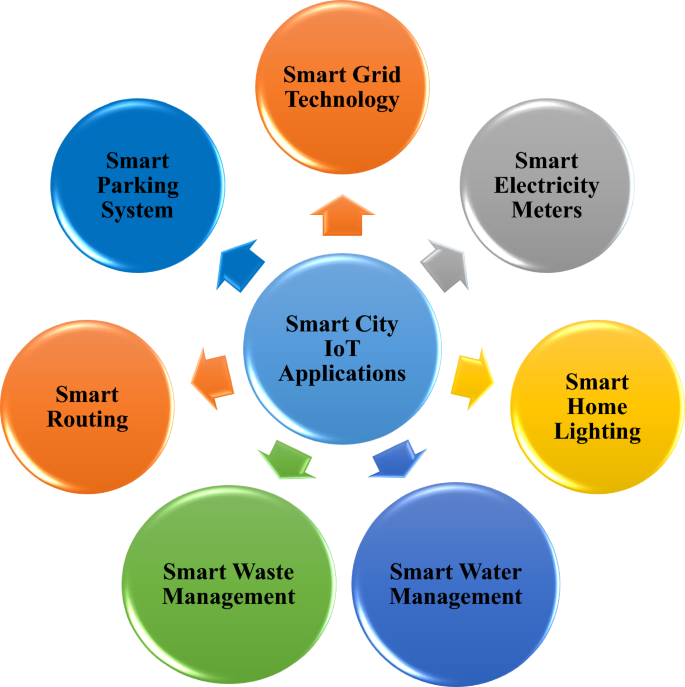
Revolutionizing Energy Consumption: A Deep Dive into IoT Applications in Smart Metering
In an era increasingly defined by connectivity and data, the convergence of the Internet of Things (IoT) with smart metering is fundamentally transforming how we manage and consume energy. This comprehensive guide explores the profound impact of IoT applications in smart metering energy consumption, detailing how these intelligent systems are empowering utility companies, fostering greater energy efficiency, and enabling consumers to make more informed decisions about their power usage. From granular, real-time energy data to advanced grid management, IoT-enabled smart meters are not just reading consumption; they are actively shaping the future of sustainable energy management, making them an indispensable component of modern smart grid technology.
The Convergence of IoT and Smart Metering: A Paradigm Shift
Traditional energy meters, with their manual readings and limited data capabilities, represent a bygone era. Smart meters, on the other hand, leverage digital technology to record energy consumption at regular intervals and transmit that data automatically to the utility. The integration of IoT takes this capability to an entirely new level, transforming standalone smart meters into integral nodes within a vast, interconnected network. This paradigm shift enables bidirectional communication, significantly enhancing the granularity and immediacy of energy data.
At its core, IoT equips smart meters with enhanced communication modules, processing power, and sensor capabilities. This allows for not just data collection, but also analysis and proactive response. Instead of simply providing monthly billing information, IoT-enabled smart meters offer insights into consumption patterns, identify anomalies, and facilitate dynamic pricing models. This advanced functionality is crucial for achieving true demand-side management and building resilient, responsive energy infrastructures.
Key IoT Applications Revolutionizing Energy Consumption
The practical applications of IoT in smart metering are extensive, each contributing to a more efficient, reliable, and user-centric energy ecosystem. These applications span from the core functions of data collection to advanced analytical and operational capabilities.
Real-time Monitoring and Data Analytics
- Granular Data Collection: IoT smart meters collect energy consumption data at frequent intervals (e.g., every 15 minutes, hourly), providing a highly detailed picture of usage patterns. This surpasses the limitations of traditional meters that only offer cumulative monthly readings.
- Instant Transmission: Leveraging various communication protocols (e.g., cellular, Wi-Fi, LPWAN), these meters transmit data wirelessly to utility control centers in near real-time. This immediacy is vital for dynamic grid management.
- Actionable Insights: Advanced analytics platforms, often powered by AI and machine learning, process this massive influx of data. They identify trends, predict future consumption, detect anomalies like energy theft, and pinpoint areas for energy efficiency improvements. This allows utilities to optimize operations and consumers to understand their usage better.
Enhanced Billing Accuracy and Transparency
Manual meter readings are prone to human error and estimation, often leading to billing disputes and customer dissatisfaction. IoT-enabled smart meters provide highly accurate, automated readings, virtually eliminating these issues. This ensures that consumers are billed precisely for their actual consumption, fostering trust and transparency between utility providers and their customers. The real-time data also allows for more flexible billing cycles and prepaid options, offering greater convenience.
Demand-Side Management (DSM) and Load Balancing
One of the most impactful applications of IoT in smart metering is its role in demand-side management. By providing utilities with real-time insights into consumption across their network, they can identify peak demand periods and implement strategies to reduce strain on the grid. This might involve:
- Dynamic Pricing: Offering lower electricity rates during off-peak hours to incentivize consumers to shift their energy-intensive activities.
- Automated Load Shedding: In critical situations, smart meters can be programmed to temporarily reduce or disconnect non-essential loads, preventing widespread blackouts.
- Renewable Energy Integration: By understanding load patterns, utilities can better integrate intermittent renewable energy sources (like solar and wind) into the grid, ensuring stability.
Remote Monitoring, Control, and Outage Management
IoT connectivity enables utilities to remotely monitor and control smart meters. This means they can perform functions like:
- Remote Disconnection/Reconnection: Streamlining service changes without needing a field visit.
- Firmware Updates: Deploying software updates to meters remotely, enhancing security and functionality.
- Outage Detection: When a smart meter stops transmitting data, it can signal an outage, allowing utilities to pinpoint the location of the problem almost instantly. This drastically reduces outage response times and improves overall service reliability, contributing to utility modernization.
Proactive Maintenance and Asset Management
Beyond consumption data, IoT smart meters can monitor their own operational health and even the health of the grid infrastructure they are connected to. Sensors within the meters can detect voltage fluctuations, temperature anomalies, or communication failures, signaling potential issues before they escalate into major problems. This enables predictive analytics for maintenance, allowing utilities to schedule repairs and replacements proactively, reducing costly downtime and extending the lifespan of their Advanced Metering Infrastructure (AMI) assets.
Empowering Consumers for Energy Savings
Perhaps one of the most direct benefits of IoT smart metering is the empowerment it provides to consumers. Through dedicated web portals or mobile applications, users can access their own real-time energy data. This transparency allows them to:
- Identify Energy Hogs: Pinpoint which appliances or habits are consuming the most energy.
- Set Budgets and Alerts: Receive notifications when consumption approaches predefined limits.
- Compare Usage: See how their consumption compares to similar households or historical data.
The Transformative Benefits of IoT in Smart Metering
The widespread adoption of IoT in smart metering brings multifaceted advantages for all stakeholders involved in the energy ecosystem.
For Utility Companies
- Operational Efficiency: Reduced manual labor for meter readings, fewer truck rolls for disconnections/reconnections, and streamlined outage management.
- Cost Reduction: Lower operational expenditures, optimized grid maintenance, and minimized energy theft through anomaly detection.
- Improved Grid Reliability: Better load balancing, faster fault detection, and proactive maintenance contribute to a more stable and resilient grid.
- Revenue Assurance: Accurate billing and identification of non-technical losses (e.g., tampering) ensure consistent revenue streams.
- Data-Driven Decision Making: Rich datasets enable utilities to make informed decisions regarding infrastructure upgrades, pricing strategies, and service improvements.
For Consumers
- Reduced Energy Bills: Access to real-time data empowers users to identify and reduce wasteful consumption, leading to tangible savings.
- Enhanced Convenience: Automated readings, flexible billing options, and remote service management simplify energy management.
- Greater Transparency: Clear, accurate billing and detailed consumption insights build trust with utility providers.
- Environmental Impact: By reducing their own consumption, consumers contribute directly to a lower carbon footprint and a more sustainable energy future.
For the Environment
The collective impact of IoT smart metering on environmental sustainability is significant. By enabling greater energy efficiency, reducing peak demand, and facilitating the integration of renewable energy sources, these systems play a crucial role in reducing overall energy consumption and carbon emissions. They support the shift towards a greener, more sustainable energy landscape by optimizing resource optimization across the entire grid.
Overcoming Challenges: Ensuring Robust IoT Smart Metering Deployments
While the benefits are compelling, deploying IoT smart metering solutions at scale comes with its own set of challenges that must be addressed for successful implementation.
Data Security and Privacy Concerns
The vast amounts of sensitive consumption data collected by IoT smart meters raise significant data security and privacy concerns. Protecting this data from cyber threats, unauthorized access, and misuse is paramount. Utilities must implement robust encryption protocols, multi-factor authentication, and adhere to strict data privacy regulations (e.g., GDPR, CCPA). Regular security audits and penetration testing are essential to safeguard the integrity and confidentiality of consumer data.
Interoperability and Standardization
The IoT landscape is fragmented, with various communication protocols, hardware vendors, and software platforms. Ensuring seamless interoperability between different components of the smart metering ecosystem (meters, communication networks, data platforms, analytics tools) is a major challenge. Industry-wide standardization efforts are crucial to avoid vendor lock-in, facilitate integration, and ensure long-term scalability and compatibility across the smart grid technology.
Scalability and Infrastructure Investment
Deploying millions of IoT smart meters requires substantial upfront investment in new infrastructure, including communication networks, data centers, and advanced analytics platforms. Furthermore, managing and processing the enormous volume of data generated by these meters demands scalable cloud solutions and sophisticated big data architectures. Utilities must plan for phased rollouts and ensure their IT infrastructure can handle the exponential growth in data and connected devices.
Actionable Steps for Implementing IoT Smart Metering Solutions
For utilities and municipalities considering or undergoing a transition to IoT-enabled smart metering, a strategic approach is vital.
Strategic Planning and Pilot Programs
Begin with a clear understanding of your objectives. What specific problems are you trying to solve (e.g., reduce outages, improve billing accuracy, enhance consumer engagement)? Conduct small-scale pilot programs to test different technologies, assess their performance in your specific environment, and gather initial data. This allows for fine-tuning before a large-scale rollout and helps in identifying potential roadblocks.
Vendor Selection and Technology Integration
Choose technology partners with proven expertise in IoT, smart metering, and data security. Prioritize solutions that offer open standards and robust APIs to ensure future compatibility and integration with existing utility systems. Evaluate not just the hardware (meters) but also the communication infrastructure, data management platforms, and analytics capabilities offered by potential vendors.
Data Governance and Analytics Frameworks
Establish clear data governance policies from the outset, defining how data will be collected, stored, processed, and secured. Invest in advanced analytics platforms capable of handling large datasets and applying predictive analytics and machine learning algorithms. These frameworks are essential for extracting meaningful insights from the raw meter data, enabling proactive decision-making and continuous improvement.
Consumer Education and Engagement Initiatives
The success of IoT smart metering also hinges on consumer adoption and understanding. Launch comprehensive education campaigns to inform customers about the benefits of smart meters, how to access their energy data, and tips for reducing consumption. Provide user-friendly interfaces (mobile apps, web portals) that make it easy for consumers to leverage their data for personal energy efficiency goals. Encourage feedback and address concerns proactively to build trust and foster positive consumer engagement.
Frequently Asked Questions
What is the primary role of IoT in smart metering?
The primary role of IoT in smart metering is to enable real-time, two-way communication between the utility and the meter, vastly enhancing data collection, transmission, and analysis capabilities. This connectivity transforms smart meters from simple data loggers into intelligent network nodes, facilitating advanced applications like demand-side management, remote control, and proactive maintenance, ultimately leading to greater energy efficiency and grid reliability.
How do IoT smart meters help reduce energy consumption?
IoT smart meters help reduce energy consumption by providing consumers with unprecedented visibility into their own usage patterns through digital platforms. This real-time energy data empowers individuals to identify energy-intensive habits, make informed decisions, and adjust their behavior to save energy. Furthermore, for utilities, the data enables dynamic pricing and load balancing, which incentivizes off-peak usage and reduces overall demand on the grid, optimizing resource optimization.
What are the main security considerations for IoT smart meters?
The main security considerations for IoT smart meters revolve around protecting sensitive consumer data and preventing unauthorized access or manipulation of the grid. Key concerns include data encryption during transmission and storage, robust authentication mechanisms for devices and users, protection against malware and cyberattacks, and ensuring compliance with data privacy regulations. Strong data security protocols are essential to maintain trust and operational integrity.
Can IoT smart meters integrate with other smart home devices?
Yes, many modern IoT smart meters are designed with interoperability in mind and can integrate with other smart home devices and energy management systems. This integration allows for a more holistic approach to home automation and energy efficiency. For example, a smart meter might communicate with a smart thermostat to optimize heating/cooling based on real-time energy prices, or with smart plugs to automatically power down devices during peak hours, enhancing overall consumer engagement and control.
What is the future outlook for IoT in smart metering?
The future outlook for IoT in smart metering is incredibly promising. We anticipate continued advancements in sensor technology, more sophisticated predictive analytics driven by AI and machine learning, and deeper integration with distributed energy resources (like rooftop solar and battery storage). The evolution towards 5G networks will further enhance connectivity and data speeds, enabling even more precise and responsive grid management. Ultimately, IoT will be central to building truly intelligent, self-healing smart grid technology that supports a sustainable and resilient energy future.

0 Komentar