
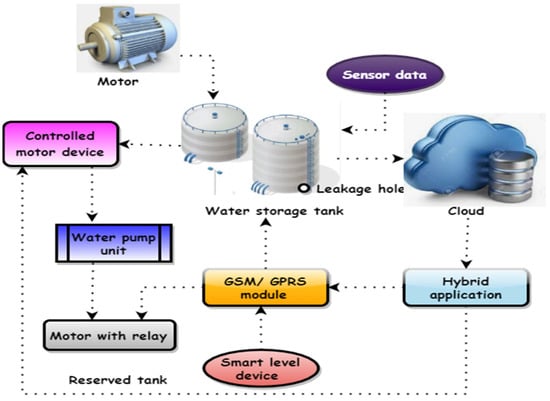
Safeguarding Your Home: The Power of IoT Devices for Detecting Water Leaks in Residential Buildings
Water leaks, often insidious and unnoticed until significant damage occurs, pose a substantial threat to residential properties. From burst pipes to faulty appliances, the financial and emotional toll of water damage can be staggering. This is where the innovative realm of IoT devices for detecting water leaks in residential buildings emerges as a game-changer. These intelligent solutions leverage advanced smart home technology to provide unparalleled water damage prevention, offering homeowners peace of mind and robust property protection. As a professional SEO expert and content writer, I'm here to unpack how these cutting-edge systems work, their profound benefits, and why they are an indispensable component of modern home security.
The Silent Threat: Why Water Leaks Are a Major Concern
Unlike a fire alarm that blares loudly, a slow water leak can go undetected for weeks or even months, silently eroding the structural integrity of your home, fostering mold growth, and destroying personal belongings. The average cost of a water damage claim can run into thousands of dollars, not including the inconvenience and disruption to daily life. Traditional methods of leak detection often rely on visual inspection or the sudden appearance of a wet spot, by which time considerable harm has already been done. This highlights the critical need for proactive, automated solutions that can identify problems at their earliest stages.
Understanding the Cost of Neglecting Water Leaks
- Structural Damage: Water can compromise foundations, weaken wooden beams, and damage drywall, leading to extensive and costly repairs.
- Mold and Mildew Growth: Damp environments are breeding grounds for mold, which can cause significant health issues and require specialized remediation.
- Property Value Depreciation: Undetected leaks and subsequent damage can severely impact your home's market value.
- Increased Utility Bills: A persistent leak, even a small one, can lead to a noticeable spike in your water consumption and monthly bills.
- Insurance Implications: While insurance may cover some damages, repeated claims or negligence can lead to higher premiums or even policy cancellation.
How IoT Devices Revolutionize Water Leak Detection
IoT water leak detectors are sophisticated sensors that connect to the internet, allowing them to communicate real-time information to your smartphone or a central smart home hub. They represent a significant leap forward from passive detection methods, offering continuous remote monitoring and instant alerts. These devices are designed to be highly sensitive, picking up even the slightest presence of moisture or changes in water flow that could indicate a leak.
The Core Mechanics of Smart Leak Sensors
At their heart, most leak sensors operate on simple yet effective principles:
- Moisture Detection: Many devices use conductive probes or pads that, when bridged by water, complete an electrical circuit, triggering an alert. These are ideal for placement near water heaters, washing machines, dishwashers, and under sinks.
- Flow Monitoring: More advanced systems incorporate a smart water valve and a flow meter installed directly on the main water line. These meters monitor water usage patterns, detecting unusual, continuous flow that indicates a potential leak, even if there's no visible water. They can differentiate between normal usage (like filling a tub) and a continuous drip.
- Humidity Sensing: Some devices include humidity sensors that can detect abnormal increases in ambient humidity, often a precursor to or symptom of hidden leaks within walls or ceilings.
- Temperature Monitoring: A sudden drop in temperature in a specific area could indicate a burst pipe, especially in unheated spaces during winter.
Upon detection, these devices don't just sit there. They immediately send real-time alerts via push notifications, emails, or even text messages to your phone, no matter where you are. Some high-end systems can even automatically shut off the main water supply to prevent further damage, offering an unparalleled layer of preventative maintenance.
Types of IoT Water Leak Detection Systems for Residential Use
The market offers a variety of residential leak detection systems, each suited for different applications and levels of protection:
1. Spot/Puck Sensors
- Functionality: Small, battery-powered devices placed directly on the floor in high-risk areas. They detect water on contact.
- Placement: Ideal for under sinks, behind toilets, near water heaters, sump pumps, washing machines, and refrigerators with ice makers.
- Pros: Affordable, easy to install, effective for localized detection.
- Cons: Only detect water at the exact spot they are placed.
2. Rope/Cable Sensors
- Functionality: A flexible, water-sensing cable that can cover a larger linear area. Water touching any part of the cable triggers an alarm.
- Placement: Excellent for wrapping around water heaters, running along basement walls, or under long stretches of piping.
- Pros: Greater coverage area than spot sensors, flexible installation.
- Cons: Can be more expensive than single spot sensors.
3. Whole-Home Flow Monitors with Automatic Shut-off
- Functionality: Installed on the main water line, these systems monitor the entire home's water flow. They learn your water usage patterns and alert you to anomalies. Many can also automatically shut off the water supply when a significant leak is detected.
- Placement: Requires professional installation on the main water line where it enters the house.
- Pros: Comprehensive protection for the entire home, automatic shut-off capability, insights into water consumption.
- Cons: Higher initial cost, professional installation often required.
4. Integrated Smart Home Systems
- Functionality: Leak sensors that are part of a larger smart home ecosystem (e.g., Apple HomeKit, Google Home, Amazon Alexa, Zigbee, Z-Wave). They can interact with other smart devices, like smart lights flashing when a leak is detected.
- Placement: Sensors placed strategically throughout the home, integrated via a central hub.
- Pros: Centralized control, enhanced automation possibilities, unified monitoring.
- Cons: Requires a compatible smart home hub and ecosystem.
Implementing Your IoT Water Leak Detection System: Practical Advice
Installing and configuring your IoT water sensors effectively is key to maximizing their protective capabilities. Here's how to approach it:
Strategic Placement is Paramount
- Kitchen: Under the sink, behind the dishwasher, near the refrigerator's water line.
- Bathrooms: Under sinks, behind toilets, near showers/tubs.
- Laundry Room: Behind the washing machine, near the utility sink.
- Basement/Crawl Space: Near the water heater, furnace humidifier, sump pump, and any exposed piping.
- Utility Areas: Near the main water shut-off valve, water softeners, or filtration systems.
- Attic: Near HVAC units with condensate pans.
Integration and Connectivity
Ensure your chosen devices are compatible with your home's Wi-Fi network or smart home hub. A strong, reliable Wi-Fi signal is crucial for consistent communication and timely alerts. Consider a mesh Wi-Fi system if your home has dead spots, especially in basements or distant utility rooms.
Regular Testing and Maintenance
Just like smoke detectors, smart leak detectors require periodic checks. Most manufacturers recommend testing them every few months. This usually involves placing the sensor in a small puddle of water to confirm it triggers an alert. Replace batteries promptly when indicated by the device or app. For whole-home systems, perform routine checks as per the manufacturer's guidelines to ensure the flow monitor and shut-off valve are functioning correctly.
Beyond Detection: The Multi-Faceted Benefits of Smart Leak Devices
The advantages of deploying IoT devices for detecting water leaks extend far beyond merely preventing immediate water damage:
- Significant Cost Savings: Preventing a major flood can save you tens of thousands in repair costs, not to mention the potential for avoiding higher insurance claims and deductibles.
- Peace of Mind: Knowing your home is under constant surveillance for plumbing issues, even when you're away on vacation, offers invaluable peace of mind.
- Reduced Insurance Premiums: Many insurance providers offer discounts for homes equipped with smart leak detection systems, recognizing the reduced risk of costly water damage claims.
- Enhanced Property Value: A smart, protected home is more attractive to potential buyers, increasing its marketability and value.
- Early Mold Prevention: By catching leaks early, you drastically reduce the chances of dangerous mold and mildew growth, safeguarding your family's health.
- Energy Efficiency: Whole-home flow monitors can provide insights into your water consumption habits, helping you identify areas for conservation and potentially lower your utility bills.
Choosing the Right IoT Leak Detection System for Your Home
With a plethora of options available, selecting the best system requires careful consideration:
- Connectivity: Wi-Fi, Zigbee, Z-Wave, or proprietary? Ensure compatibility with your existing smart home ecosystem.
- Power Source: Battery-powered for flexibility or wired for continuous operation? Consider battery life and ease of replacement.
- Alert Methods: Push notifications, email, SMS, audible alarm, or a combination? More alert options are generally better.
- Automatic Shut-off: Do you need the ultimate protection of an automated shut-off valve, or are alerts sufficient for your needs?
- Integration: Does it integrate with other smart devices (e.g., smart lighting, security cameras) for enhanced automation?
- App Features: Look for a user-friendly app that provides clear status updates, history logs, and easy configuration.
- Scalability: Can you easily add more sensors as your needs evolve?
- Cost vs. Coverage: Balance your budget with the level of protection you desire, considering both upfront costs and potential savings.
Common Mistakes to Avoid When Deploying Smart Leak Detection
Even with the best intentions, some pitfalls can diminish the effectiveness of your home flood protection system:
- Insufficient Coverage: Placing only one or two sensors in a large home, leaving many high-risk areas unprotected.
- Ignoring Alerts: Becoming complacent and dismissing notifications, leading to delayed response.
- Neglecting Maintenance: Forgetting to test sensors or replace batteries, rendering them useless when a real leak occurs.
- Poor Wi-Fi Connectivity: Placing sensors in areas with weak Wi-Fi signals, causing unreliable communication.
- Over-reliance Without Manual Checks: While automated systems are powerful, occasional visual inspections of plumbing and appliances are still good practice.
- Improper Installation of Flow Monitors: Attempting DIY installation of whole-home systems without proper plumbing knowledge can lead to bigger plumbing issues. Always consult a professional for main line installations.
By avoiding these common errors, you can ensure your intelligent water management system provides robust, reliable protection for your most valuable asset.
Frequently Asked Questions
What is the primary benefit of IoT devices for detecting water leaks compared to traditional methods?
The primary benefit of IoT devices for detecting water leaks is their ability to provide real-time alerts and continuous remote monitoring. Unlike traditional methods that rely on visual discovery after damage has occurred, these smart devices detect the presence of water or unusual flow patterns almost instantly, notifying homeowners immediately via their smartphones. This allows for rapid intervention, significantly minimizing potential water damage prevention costs and preventing extensive harm to property and personal belongings. Some advanced systems can even automatically shut off the main water supply, offering an unparalleled level of proactive property protection.
Can IoT water leak detectors integrate with my existing smart home system?
Yes, many IoT water sensors are designed to integrate seamlessly with popular smart home technology platforms like Apple HomeKit, Google Home, Amazon Alexa, Samsung SmartThings, and various Zigbee/Z-Wave hubs. This integration allows for centralized control and enhanced automation. For example, if a leak is detected, your smart home system could not only send an alert but also trigger other actions, such as flashing smart lights, sending a notification to a neighbor, or even activating a connected smart water valve to shut off the water supply. When choosing devices, always check for compatibility with your specific smart home ecosystem.
How often should I test my IoT water leak detection devices?
It is highly recommended to test your residential leak detection systems regularly to ensure they are functioning correctly. For individual spot or rope sensors, a good practice is to test them every 3-6 months by placing them in a small puddle of water to confirm they trigger an alert. For whole-home flow monitoring systems, follow the manufacturer's guidelines, which often include periodic system checks via their dedicated app. Additionally, always replace batteries promptly when low-battery indicators appear, and perform visual checks of the sensors' physical condition. Regular testing is crucial for reliable flood detection and effective preventative maintenance.
Are IoT water leak detectors difficult to install?
The ease of installation for IoT water leak detectors varies depending on the type of device. Most spot sensors and rope sensors are very easy to install; they are typically battery-powered and simply need to be placed in high-risk areas. You just connect them to your home Wi-Fi or smart hub via an app. However, whole-home flow monitoring systems that connect directly to your main water line often require professional plumbing installation. While some DIY enthusiasts might attempt it, professional installation ensures proper functionality, avoids potential plumbing issues, and adheres to local codes, making it a worthwhile investment for comprehensive home flood protection.

0 Komentar