
The Data Privacy Officer Job Description: Navigating Responsibilities in a Digital World
In an era defined by vast digital transformation and escalating concerns over personal data, the role of a Data Privacy Officer (DPO) has emerged as an indispensable cornerstone for organizations worldwide. This pivotal position is not merely about ticking boxes for compliance; it embodies a strategic function dedicated to safeguarding sensitive information, fostering trust, and ensuring adherence to complex global data protection regulations like GDPR, CCPA, and LGPD. Understanding the comprehensive data privacy officer job description and responsibilities is crucial for both aspiring privacy professionals and organizations aiming to build robust information governance frameworks. This article delves deep into the multifaceted duties, essential skills, and strategic importance of the DPO, providing a definitive guide to this critical role in the modern enterprise.
The Evolving Landscape of Data Privacy and the DPO's Emergence
The digital age has brought unprecedented opportunities, but also significant challenges related to data handling. High-profile data breaches, growing public awareness about surveillance, and the sheer volume of personal data collected have driven governments globally to enact stringent privacy laws. These regulations, particularly the European Union's General Data Protection Regulation (GDPR), have specifically mandated the appointment of a DPO for certain types of organizations. This isn't just a legal obligation; it's a strategic necessity to manage risks, maintain reputation, and build consumer confidence.
A DPO acts as an independent guardian of personal data within an organization, bridging the gap between legal requirements, business operations, and individual privacy rights. Their presence signals a commitment to ethical data practices and serves as a primary contact point for both supervisory authorities and data subjects. Without a dedicated DPO, organizations risk not only hefty fines but also severe reputational damage and erosion of customer trust, which can be far more costly in the long run.
Core Responsibilities of a Data Privacy Officer: A Comprehensive Breakdown
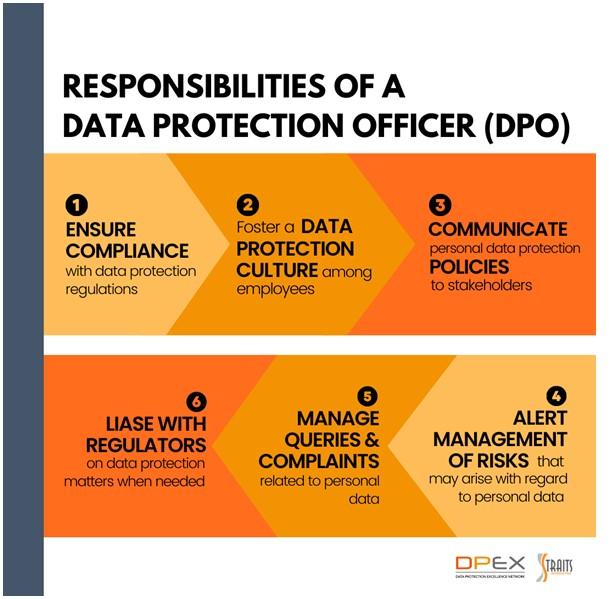
The duties of a DPO are extensive and require a unique blend of legal, technical, and communication skills. They are typically involved in every aspect of an organization's data processing activities. Here’s a detailed look at the primary data privacy officer responsibilities:
1. Monitoring Compliance with Data Protection Laws
- Regular Audits and Assessments: The DPO is responsible for conducting periodic audits of the organization's data processing activities to ensure ongoing compliance with relevant data protection regulations. This includes reviewing data collection methods, storage practices, data sharing agreements, and data retention policies.
- Policy Development and Implementation: They advise on and help develop internal policies and procedures related to data protection, such as privacy policies, data breach response plans, and data handling guidelines, ensuring these are effectively implemented and understood across the organization.
- Record Keeping: Maintaining detailed records of all data processing activities, including purposes, categories of data subjects, and recipients, is a crucial aspect of demonstrating accountability.
2. Advising on Data Protection Obligations and Best Practices
- Expert Guidance: The DPO serves as an internal expert, providing advice to the organization's management and employees on their obligations under data protection laws. This often involves interpreting complex legal texts and translating them into practical, actionable advice for various departments.
- New Project Review: They must be consulted early on in any new project or initiative that involves processing personal data, ensuring that "privacy by design" and "privacy by default" principles are integrated from the outset. This proactive approach helps prevent compliance issues down the line.
- Technology and Security: While not solely responsible for IT security, the DPO collaborates closely with IT and security teams (e.g., the CISO) to ensure that appropriate technical and organizational measures are in place to protect personal data from unauthorized access, disclosure, alteration, or destruction. This involves understanding aspects of data security.
3. Liaising with Supervisory Authorities and Data Subjects
- Primary Contact Point: The DPO acts as the main point of contact for supervisory authorities (e.g., the Information Commissioner's Office in the UK, CNIL in France) regarding all issues related to data processing. This includes handling inquiries, investigations, and providing necessary documentation.
- Handling Data Subject Requests: They oversee and facilitate responses to requests from individuals exercising their data subject rights, such as the right to access their data, the right to rectification, erasure (right to be forgotten), restriction of processing, data portability, and objection to processing. This is a critical operational responsibility.
- Data Breach Notification: In the event of a data breach, the DPO plays a central role in assessing the breach, determining the risk to data subjects, and coordinating timely notification to the relevant supervisory authority and, where necessary, to affected individuals.
4. Conducting Data Protection Impact Assessments (DPIAs)
- Risk Assessment: For processing operations likely to result in a high risk to the rights and freedoms of individuals, the DPO is responsible for advising on the necessity and conducting of Privacy Impact Assessments (PIAs) or Data Protection Impact Assessments (DPIAs). This involves systematically identifying, assessing, and mitigating privacy risks.
- Mitigation Strategies: They work with relevant departments to identify and implement measures to reduce or eliminate identified risks, ensuring that data processing activities are conducted in a privacy-respecting manner.
5. Training and Awareness Raising
- Internal Education: A significant part of the DPO's role is to raise awareness and provide training to employees involved in data processing operations. This ensures that everyone understands their responsibilities regarding data protection and adheres to internal policies.
- Promoting a Privacy Culture: Beyond formal training, the DPO champions a culture of privacy within the organization, emphasizing its importance not just for compliance but as a fundamental ethical principle.
6. Incident Response and Remediation
- Breach Management: Beyond initial notification, the DPO guides the organization through the entire data breach lifecycle, from containment and eradication to recovery and post-incident analysis.
- Lessons Learned: They facilitate the implementation of corrective actions and improvements to prevent recurrence of similar incidents, strengthening the overall information governance framework.
Key Skills and Qualifications for a Successful DPO
To effectively manage the diverse data privacy officer responsibilities, a candidate needs a robust skill set:
- In-depth Knowledge of Data Protection Law: A strong understanding of GDPR, CCPA, HIPAA, and other relevant national and international privacy laws is paramount. This often requires a legal background or specialized certifications (e.g., CIPP/E, CIPM).
- Technical Acumen: While not necessarily an IT expert, a DPO must have sufficient understanding of information technology and data security practices to assess risks, understand data flows, and communicate effectively with technical teams.
- Risk Management Expertise: The ability to identify, assess, and mitigate privacy risks is central to the role. This includes understanding methodologies for conducting DPIAs and developing risk mitigation strategies.
- Excellent Communication and Interpersonal Skills: The DPO interacts with diverse stakeholders – management, employees, data subjects, and supervisory authorities. Clear, concise, and empathetic communication is essential for advising, training, and mediating.
- Independence and Integrity: The DPO must operate independently and objectively, without conflicts of interest, and possess strong ethical judgment to advise the organization even when it might be inconvenient.
- Project Management Skills: Many DPO tasks involve managing projects, from implementing new privacy policies to overseeing data subject request workflows.
- Problem-Solving and Analytical Thinking: The ability to analyze complex situations, identify root causes of privacy issues, and devise practical solutions is critical.
The DPO's Role in Building a Privacy-First Culture
Beyond the technical and legal aspects, a DPO plays a vital role in embedding a privacy-first mindset throughout the organization. This goes beyond mere compliance; it's about fostering an environment where privacy is inherently considered in every business decision and process. The DPO achieves this by:
- Advocacy: Championing the importance of privacy at all levels, from the executive board to frontline staff.
- Accessibility: Being approachable and available to answer privacy-related questions from employees.
- Empowerment: Providing tools and knowledge that empower employees to make privacy-conscious decisions in their daily work.
- Continuous Improvement: Establishing mechanisms for feedback and continuous improvement of privacy practices based on new regulations, technologies, and organizational changes.
A successful DPO helps transform privacy from a regulatory burden into a competitive advantage, enhancing brand reputation and building stronger relationships with customers and partners. This strategic function makes the DPO an invaluable asset in any forward-thinking enterprise navigating the complexities of modern data management.
Actionable Tips for Aspiring DPOs and Organizations
For Aspiring Data Privacy Officers:
- Gain Relevant Certifications: Pursue industry-recognized certifications like CIPP/E (Certified Information Privacy Professional/Europe), CIPM (Certified Information Privacy Manager), or CIPT (Certified Information Privacy Technologist) to demonstrate expertise in privacy laws and their operationalization.
- Develop a Broad Skill Set: Don't just focus on legal knowledge. Cultivate skills in project management, communication, IT fundamentals, and risk management.
- Network Actively: Engage with privacy professionals through industry events, webinars, and online communities to stay updated on best practices and emerging trends in data protection regulations.
- Proactive Learning: The privacy landscape is constantly evolving. Commit to continuous learning about new technologies, legal developments, and international privacy standards.
For Organizations Seeking a DPO:
- Define the Role Clearly: Ensure the data privacy officer job description accurately reflects the independence, authority, and resources required for the DPO to perform their duties effectively.
- Ensure Independence: The DPO must operate without conflict of interest. They should not hold positions that determine the purposes and means of processing personal data (e.g., Head of Marketing, IT Director) to maintain their impartial oversight.
- Provide Adequate Resources: Equip the DPO with sufficient financial resources, staff, and access to necessary tools and training to fulfill their responsibilities.
- Foster Internal Collaboration: Encourage cross-departmental cooperation with the DPO, ensuring they are consulted early in all new initiatives involving personal data. This proactive engagement is key to successful GDPR compliance and overall information governance.
- Support Continuous Professional Development: Recognize that the privacy landscape changes rapidly and support your DPO's ongoing education and training to keep pace with new challenges and regulations.
Frequently Asked Questions
What qualifications are typically needed to become a Data Privacy Officer?
While there's no single mandatory qualification, successful DPOs often have a background in law, IT, cybersecurity, or compliance. Key qualifications include a strong understanding of global data protection regulations (like GDPR), relevant certifications (e.g., CIPP/E, CIPM), experience in information governance or risk management, and excellent communication skills. A blend of legal acumen and technical understanding is highly valued.
Is a Data Privacy Officer mandatory for all organizations?
No, a DPO is not mandatory for all organizations, but it is required under specific conditions, primarily by the GDPR. Organizations must appoint a DPO if they are a public authority or body (except for courts acting in their judicial capacity), if their core activities consist of processing operations which, by virtue of their nature, scope, and/or purposes, require regular and systematic monitoring of data subjects on a large scale, or if their core activities consist of large-scale processing of special categories of data or data relating to criminal convictions and offenses. Even if not legally mandated, many organizations choose to appoint a DPO as a best practice for robust data security and risk management.
What is the difference between a DPO and a CISO?
While both roles are critical for organizational security and data protection, a Data Privacy Officer (DPO) primarily focuses on data protection regulations and privacy compliance, ensuring personal data is handled lawfully, fairly, and transparently, and that data subject rights are upheld. A Chief Information Security Officer (CISO), on the other hand, is generally responsible for the overall data security strategy, protecting all organizational information assets (not just personal data) from unauthorized access, use, disclosure, disruption, modification, or destruction. The DPO ensures what data should be protected based on privacy laws, while the CISO focuses on how that data, and other information, is technically secured. They often collaborate closely.
How does a DPO contribute to an organization's data privacy culture?
A DPO contributes significantly to building a strong data privacy culture by acting as an internal advocate and educator. They develop and implement internal policies, provide regular training and awareness programs for employees, advise on privacy-by-design principles for new projects, and ensure that data subject rights are respected. By fostering transparency, accountability, and ethical data handling practices, the DPO helps embed privacy as a core value rather than just a compliance requirement, ultimately enhancing trust and reputation.

0 Komentar