
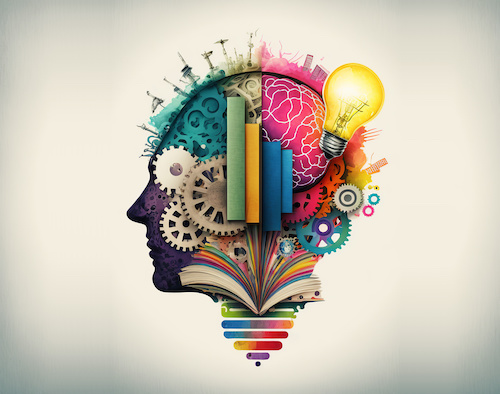
The Future of AI-Assisted Content Creation & Digital Media Production: Fostering Creativity, Innovation, and Storytelling
The landscape of digital content is undergoing a profound transformation, driven by the rapid advancements in artificial intelligence. Far from replacing human ingenuity, the future of AI-assisted content creation and digital media production tools promises to be a powerful catalyst, designed to foster creativity, ignite innovation, and revolutionize storytelling. This comprehensive guide explores how intelligent algorithms are not just automating mundane tasks but are actively augmenting human capabilities, enabling content strategists, digital artists, and media producers to achieve unprecedented levels of efficiency and creative output. Prepare to delve into how AI is redefining the very essence of digital media, making personalized content and immersive experiences more accessible than ever before, truly empowering the next generation of creators.
The Paradigm Shift: AI's Role in Creative Industries
For years, the conversation around AI in creative fields often revolved around automation and efficiency. While these benefits are undeniable, the true paradigm shift lies in AI's emerging role as a co-creator and an enabler of augmented creativity. We are moving beyond simple task delegation to a synergistic partnership where AI acts as an intelligent assistant, expanding the horizons of what's possible in content development and media production.
From Automation to Augmented Creativity
One of the most immediate and tangible impacts of AI tools is their ability to handle repetitive, time-consuming tasks that traditionally bog down creative workflows. By offloading these operational burdens, human creators are freed up to focus on higher-level strategic thinking, conceptualization, and the unique human touch that AI cannot replicate. This shift from mere automation to true augmented creativity allows professionals to channel their energy into truly innovative aspects of their work.
- Data Analysis and Research: AI can quickly sift through vast datasets to identify trends, audience preferences, and keyword opportunities, providing crucial insights for content strategists.
- Initial Draft Generation: From blog outlines to marketing copy, generative AI can produce first drafts, saving hours of initial ideation and writing time.
- Asset Organization and Tagging: AI-powered tools can automatically categorize, tag, and organize digital assets like images, videos, and audio files, streamlining media production pipelines.
- Basic Editing and Refinement: AI can perform initial edits for grammar, style, and even suggest structural improvements for written content, or identify basic errors in audio/video.
- A/B Testing and Optimization: AI can run and analyze countless variations of content elements (headlines, visuals, calls-to-action) to determine optimal performance, accelerating content optimization.
Next-Generation AI Tools for Content Creation
The evolution of AI in content creation is marked by increasingly sophisticated tools that move beyond simple text generation. We are witnessing the emergence of comprehensive platforms that integrate various AI capabilities, providing end-to-end solutions for diverse digital media needs. These tools are not just about speed; they're about enhancing quality, consistency, and reach.
Intelligent Content Generation & Curation
The ability of AI to generate diverse forms of content is perhaps its most discussed aspect. From natural language processing (NLP) models that write compelling narratives to advanced algorithms that create stunning visuals and audio, the possibilities are expanding exponentially. This intelligent content generation is transforming how businesses and individuals approach their digital presence.
- Textual Content: AI writers can produce articles, social media posts, product descriptions, email campaigns, and even creative fiction. They learn from vast corpora of text, adapting tone, style, and voice to match specific brand guidelines. This capability is invaluable for content strategists seeking to scale their output without compromising quality.
- Visual Content: AI image generators (like DALL-E, Midjourney, Stable Diffusion) empower digital artists and marketers to create unique visuals from text prompts, saving time and resources on stock photography or custom design. These tools facilitate rapid prototyping and ideation for visual campaigns.
- Audio Content: AI-powered text-to-speech (TTS) engines produce natural-sounding voiceovers, while AI music generators can compose royalty-free tracks for videos, podcasts, and advertising. This significantly reduces reliance on voice actors and composers for basic needs, accelerating media production cycles.
- Video Content: Emerging AI tools can generate short video clips, animate characters, or even synthesize entire scenes from scripts, offering unprecedented speed in video content creation, especially for social media and quick explainers.
AI in Digital Media Production
Beyond content generation, AI is deeply integrating into the technical aspects of digital media production, offering efficiencies and new creative avenues that were previously unimaginable. This is particularly impactful for digital artists, video editors, and sound engineers who can leverage AI to enhance their creative workflows.
- Automated Editing: AI can analyze video footage, identify key moments, remove filler words from audio, and even suggest optimal cuts, drastically speeding up the editing process. This includes smart cropping, color correction, and noise reduction.
- Intelligent Sound Design: AI tools can isolate vocals, remove background noise, mix audio tracks, and even generate ambient soundscapes or sound effects based on video content, enhancing the overall audio experience.
- Character Animation & Rigging: AI can automate the complex process of rigging 3D models and generating realistic character animations from simple inputs or motion capture data, making sophisticated animation more accessible.
- Virtual Production Enhancements: AI assists in real-time environment generation, object tracking, and even virtual camera movements, pushing the boundaries of immersive experiences in film and gaming.
Personalized Content Delivery & Optimization
The ability to deliver highly relevant, personalized content at scale is a holy grail for digital marketers and storytellers. AI excels here, using sophisticated algorithms to analyze user behavior, preferences, and demographics to tailor content experiences in real-time.
- Dynamic Content Adaptation: AI can automatically adjust website layouts, product recommendations, or even narrative paths in interactive stories based on individual user interactions.
- Audience Segmentation: Advanced AI models can identify micro-segments within an audience, allowing for hyper-targeted messaging and content delivery, maximizing engagement and conversion rates.
- Predictive Analytics: AI can forecast content performance, identify trending topics, and even predict user churn, providing proactive insights for content strategists to refine their approach.
- SEO & Keyword Optimization: AI tools can analyze search intent, identify latent semantic indexing (LSI) keywords, and suggest optimal content structures for improved search engine visibility, making SEO efforts more data-driven and efficient.
Fostering Innovation and Storytelling Evolution
The most exciting aspect of AI's integration into content and media is its potential to unlock entirely new forms of expression and push the boundaries of narrative. AI isn't just about doing things faster; it's about doing things differently, fostering a new era of innovation and storytelling evolution.
Enhancing Storytelling Capabilities
AI tools can serve as creative muses, brainstorming partners, and technical enablers, allowing storytellers to explore narratives with unprecedented depth and interactivity.
- Interactive Narratives: AI can power dynamic storylines where user choices genuinely influence the plot, leading to unique, branching narratives in games, educational content, or marketing experiences. This creates deeply immersive experiences.
- Hyper-Personalized Stories: Imagine a news article or a children's book that adapts its characters, settings, or plot points based on the reader's interests or even real-time data about their environment.
- Multi-Modal Storytelling: AI facilitates the seamless integration of text, visuals, audio, and interactive elements, allowing creators to craft rich, multi-sensory narratives that resonate on multiple levels.
- Accessibility Enhancements: AI can automatically generate captions, audio descriptions, and translated content, making stories accessible to a wider, global audience.
Breaking Creative Barriers
Many creators face hurdles like writer's block, technical limitations, or resource constraints. AI offers powerful solutions to these common challenges, enabling more people to bring their ideas to life.
- Overcoming Creative Blocks: AI can generate diverse ideas, suggest plot twists, or provide alternative perspectives, serving as a powerful brainstorming partner to overcome creative stagnation.
- Rapid Prototyping: Artists and designers can quickly generate multiple design variations or animation sequences, allowing for faster iteration and refinement of concepts. This significantly shortens the ideation-to-production cycle.
- Lowering Entry Barriers: Complex tasks like video editing, 3D modeling, or advanced sound design, once requiring specialized skills and expensive software, are becoming more accessible through intuitive AI interfaces, empowering a new generation of creators.
- Experimentation at Scale: AI allows creators to experiment with different styles, tones, and formats without significant time investment, fostering a culture of continuous innovation.
Navigating the Ethical Landscape and Future Challenges
While the promise of AI in content creation is immense, it's crucial to address the ethical considerations and potential challenges. Responsible development and deployment of AI tools are paramount to ensure a fair, unbiased, and creatively rich future.
The Importance of Ethical AI & Bias Mitigation
AI models learn from the data they are trained on. If this data contains biases (e.g., gender, racial, cultural), the AI will perpetuate and amplify those biases in its output. Addressing this requires continuous effort.
- Data Diversity: Ensuring training datasets are diverse and representative to minimize inherent biases.
- Transparency: Understanding how AI models make decisions and generate content is crucial for accountability.
- Attribution and Copyright: Establishing clear guidelines for AI-generated content regarding authorship, ownership, and the use of copyrighted material in training data.
- Deepfakes and Misinformation: Developing robust detection mechanisms and ethical frameworks to combat the misuse of generative AI for creating deceptive content.
Human-AI Collaboration: The Unbeatable Synergy
The most effective use of AI in content creation isn't about replacement, but about collaboration. The future belongs to those who master the art of working with AI, leveraging its strengths while retaining human oversight and creative direction. This human-AI collaboration is where true augmented creativity flourishes.
- Human Oversight is Key: AI tools are powerful, but they lack true understanding, empathy, and critical thinking. Human editors, artists, and strategists must always review, refine, and provide the final creative direction.
- Focus on Unique Human Skills: AI excels at routine tasks and pattern recognition; humans excel at abstract thought, emotional intelligence, cultural nuance, and original conceptualization.
- Upskilling and Adaptation: Content professionals need to embrace continuous learning, acquiring new skills in prompt engineering, AI tool integration, and ethical AI practices.
- Strategic Implementation: Rather than adopting every new AI tool, identify those that genuinely enhance your specific creative workflows and align with your strategic goals.
Actionable Strategies for Embracing AI in Your Workflow
For individuals and organizations looking to harness the power of AI in content creation and digital media production, a strategic approach is essential. Here are actionable tips to integrate these transformative tools effectively and foster genuine innovation:
- Start Small, Experiment Often: Don't try to overhaul your entire workflow at once. Begin by experimenting with AI tools for specific, manageable tasks like brainstorming headlines, generating social media captions, or creating initial image concepts. Learn from each experiment and iterate.
- Prioritize Learning & Skill Development: Invest time in understanding how AI tools work, especially in terms of prompt engineering and ethical usage. Online courses, webinars, and community forums are excellent resources. Encourage your team to develop these new skills.
- Identify Pain Points AI Can Solve: Where are your current creative workflows bottlenecked? Is it research, first drafts, asset organization, or translation? Target these specific areas with AI solutions to see immediate, tangible benefits.
- Maintain Human Oversight and Quality Control: Never publish or produce AI-generated content without thorough human review and refinement. AI is a tool, not a replacement for human judgment, creativity, and adherence to brand voice.
- Develop Ethical Guidelines for AI Use: Establish clear internal policies on data privacy, bias mitigation, attribution, and the responsible use of AI-generated content to maintain trust and integrity.
- Foster a Culture of Collaboration: Encourage your teams to view AI as a collaborative partner. Organize workshops or internal hackathons to explore new ways human-AI collaboration can enhance projects.
- Stay Updated with AI Advancements: The field of AI is evolving at an incredible pace. Regularly research new tools, features, and best practices to stay competitive and leverage the latest innovations.
Embracing the future of AI-assisted content creation and digital media production tools is not just about adopting new technology; it's about redefining creative potential. By strategically integrating AI, content creators, digital artists, and media professionals can unlock new levels of efficiency, innovation, and storytelling prowess, ensuring their narratives resonate more deeply and widely than ever before. Explore how AI can empower your creative endeavors and push the boundaries of what's possible in the digital realm. Discover more about AI in creative industries today.
Frequently Asked Questions
What is the primary benefit of AI in content creation?
The primary benefit of AI in content creation is its ability to augment human creativity and efficiency. AI tools automate repetitive tasks (like data analysis, basic drafting, and asset organization), freeing up human creators to focus on strategic thinking, conceptualization, and adding unique human insights. This leads to faster content production cycles, enhanced personalization, and the exploration of new creative formats, ultimately fostering innovation and improved storytelling.
How will AI impact the role of human content creators?
AI will not replace human content creators but will profoundly transform their roles. Instead of being solely responsible for every step of content creation, humans will evolve into editors, strategists, prompt engineers, and ethical overseers. Their focus will shift to leveraging AI tools to enhance their output, manage complex creative workflows, and infuse content with unique human empathy, cultural nuance, and original ideas that AI cannot replicate. It's a shift towards human-AI collaboration, where human ingenuity guides AI capabilities.
What are some ethical considerations for using AI in digital media production?
Key ethical considerations for using AI in digital media production include bias in AI-generated content (stemming from biased training data), issues of copyright and intellectual property for AI-generated assets, the potential for deepfakes and misinformation, and the need for transparency regarding AI's involvement in content creation. Responsible AI development and deployment require continuous efforts to ensure fairness, accountability, and the prevention of misuse.
Can AI truly foster creativity, or does it limit it?
AI can genuinely foster creativity by acting as a powerful brainstorming partner, overcoming creative blocks, and enabling rapid prototyping. It allows creators to experiment with ideas more quickly, explore diverse styles, and tackle technically complex tasks with greater ease. While AI generates content based on existing patterns, it's the human creator's unique vision, critical thinking, and ability to curate and refine AI output that truly pushes the boundaries of innovation and leads to novel, impactful storytelling evolution.
How can businesses start integrating AI into their content strategy?
Businesses can start integrating AI by identifying specific pain points in their existing content workflows, such as content ideation, first draft generation, or SEO optimization. Begin with small, manageable experiments using readily available AI tools for tasks like social media captioning or image generation. Crucially, prioritize continuous learning for your team, maintain strong human oversight for quality control, and establish clear ethical guidelines for AI usage. This phased approach ensures a smooth transition and maximizes the benefits of AI in your content strategy and media production efforts.

0 Komentar