
The Future of AI-Powered Sustainable Energy: Smart Grids & Climate Action by 2025
The global imperative to combat climate change has never been more urgent, pushing innovation in sustainable energy systems to the forefront. By 2025, the synergy between Artificial Intelligence (AI) and advanced smart grid infrastructure management is poised to revolutionize our approach to energy, promising a cleaner, more resilient, and highly efficient future. This comprehensive guide explores how AI is not just augmenting, but fundamentally transforming the landscape of renewable energy integration, grid optimization, and ultimately, our fight against rising carbon emissions. Discover how these cutting-edge technologies are set to unlock unprecedented levels of energy efficiency and grid stability, paving the way for a truly decarbonized world.
AI as the Catalyst for Renewable Energy Integration and Optimization
The intermittent nature of renewable energy sources like solar and wind has historically posed significant challenges to grid stability. However, the advent of sophisticated AI algorithms is rapidly changing this paradigm. By 2025, AI will be indispensable in predicting renewable energy generation with unparalleled accuracy, enabling seamless integration into existing and future power grids. Machine learning models analyze vast datasets, including weather patterns, historical generation data, and consumption trends, to forecast energy output with high precision. This predictive capability is critical for balancing supply and demand, minimizing waste, and maximizing the utilization of clean energy. The focus shifts from reactive grid management to a proactive, intelligent system that anticipates fluctuations and adjusts accordingly.
Advanced Forecasting and Grid Balancing with AI
- Predictive Analytics for Renewables: AI-powered systems can now forecast solar irradiance and wind speeds with remarkable accuracy, sometimes hours or even days in advance. This allows grid operators to better plan for energy dispatch and storage, reducing reliance on fossil fuel "peaker" plants.
- Demand-Side Management: AI optimizes energy consumption by identifying patterns and predicting future demand. This enables utilities to implement dynamic pricing and incentivize consumers to shift energy use to off-peak hours or periods of high renewable generation, a crucial aspect of demand response programs.
- Optimized Energy Storage: AI algorithms manage battery energy storage systems (BESS) by determining optimal charging and discharging cycles based on real-time grid conditions, energy prices, and renewable output forecasts. This maximizes the economic and environmental benefits of stored energy, enhancing grid resilience.
- Virtual Power Plants (VPPs): AI orchestrates distributed energy resources (DERs) like rooftop solar, electric vehicles, and small-scale battery storage into unified, responsive VPPs. This collective capability allows them to act as a single power plant, providing services to the grid and enhancing overall flexibility.
Transforming Grid Infrastructure with Smart Grid Technologies
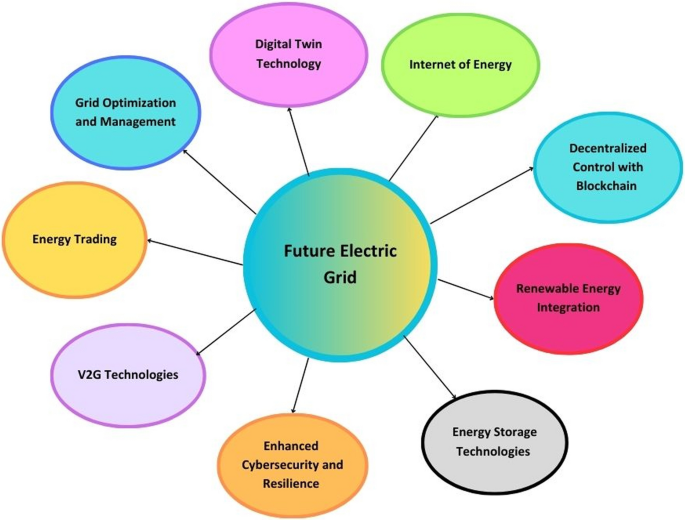
A "smart grid" is not merely an upgraded electrical network; it's a digital, intelligent, and responsive energy system capable of self-healing and optimizing energy flow. The integration of AI by 2025 will accelerate the evolution of these grids, making them more robust, efficient, and capable of handling the complexities of a highly decentralized energy landscape. Internet of Things (IoT) sensors deployed across the grid will gather real-time data on everything from voltage fluctuations to equipment health, feeding this information into AI systems for instantaneous analysis and actionable insights. This data-driven approach is essential for achieving true grid modernization and ensuring energy security.
Key Pillars of AI-Enhanced Smart Grid Management
- Real-time Grid Monitoring and Control: AI processes massive streams of data from smart meters, sensors, and substations to provide a comprehensive, real-time view of grid health. This allows for immediate detection of anomalies, faults, and potential outages, significantly reducing downtime.
- Automated Fault Detection and Restoration: Utilizing AI, smart grids can pinpoint the exact location of faults almost instantly and, in many cases, automatically reroute power to restore service to unaffected areas. This capability, known as self-healing grid technology, dramatically improves reliability and reduces operational costs.
- Predictive Maintenance: AI analyzes data from grid components to predict equipment failures before they occur. This enables utilities to schedule maintenance proactively, preventing costly outages, extending asset lifespan, and improving safety. This shift from reactive to predictive maintenance is a game-changer for grid operators.
- Enhanced Cybersecurity: As grids become more digitized, cybersecurity risks increase. AI-driven anomaly detection systems can identify and flag unusual network activity that might indicate a cyberattack, providing a crucial layer of defense for critical infrastructure.
- Optimized Power Flow and Congestion Management: AI algorithms can dynamically adjust power flow across the grid to prevent congestion, minimize transmission losses, and ensure stable voltage levels, leading to significant energy savings and improved grid efficiency.
Combatting Climate Change: The Direct Impact of AI-Powered Energy Systems
The ultimate goal of integrating AI into sustainable energy systems and smart grids is to accelerate decarbonization and effectively combat climate change. By 2025, the direct impact will be evident in several critical areas, driving down greenhouse gas emissions and fostering a more sustainable global energy future. The ability to efficiently manage and deploy renewable energy is paramount to achieving ambitious climate targets, and AI provides the intelligence needed to scale these efforts rapidly.
Driving Decarbonization and Sustainability
- Maximizing Renewable Energy Utilization: By optimizing forecasting, storage, and demand response, AI ensures that every available watt of clean energy is utilized efficiently, reducing the need for fossil fuel-based generation. This directly contributes to a lower carbon footprint.
- Reducing Energy Waste: Through precise demand forecasting, optimized power flow, and predictive maintenance, AI-powered smart grids significantly reduce energy losses during transmission and distribution, as well as minimizing over-generation from traditional sources. This efficiency directly translates to fewer emissions.
- Facilitating Electric Vehicle (EV) Integration: AI manages EV charging to align with periods of high renewable energy availability and low grid demand, preventing grid overload and ensuring that EVs are powered by clean energy. This accelerates the transition away from gasoline-powered vehicles, a major source of urban emissions.
- Enabling Microgrids and Energy Independence: AI facilitates the development and operation of localized microgrids, which can operate independently or connected to the main grid. These systems, often powered by local renewables and storage, enhance energy resilience and reduce reliance on centralized, often fossil fuel-dependent, power plants, offering a pathway to energy independence for communities.
- Carbon Footprint Optimization: Advanced AI tools can monitor and optimize the carbon footprint of industrial processes and commercial buildings by dynamically adjusting energy consumption based on the real-time carbon intensity of the grid, promoting greener operations.
Actionable Insights and Future Outlook for 2025 and Beyond
For utilities, policymakers, technology developers, and consumers alike, understanding the trajectory of AI in sustainable energy is crucial. The next few years will see rapid advancements and widespread adoption, requiring strategic investments and collaborative efforts. The window to mitigate the worst effects of climate change is narrowing, and AI offers a powerful set of tools to accelerate the transition to a clean energy economy. Embracing these innovations is not just an environmental imperative but also an economic opportunity, fostering new industries and job creation.
Practical Implementation Strategies
- Invest in Data Infrastructure: Utilities and energy companies must prioritize building robust data collection, storage, and processing capabilities. High-quality, real-time data is the lifeblood of effective AI applications in the energy sector.
- Foster AI Talent and Expertise: Developing in-house expertise in AI, machine learning, and data science is critical. Collaboration with academic institutions and specialized tech firms can also bridge skill gaps.
- Pilot and Scale Smart Grid Solutions: Start with pilot projects for AI-driven demand response, predictive maintenance, or renewable forecasting. Learn from these deployments and scale successful initiatives across the grid. Consider exploring solutions like advanced metering infrastructure.
- Develop Supportive Regulatory Frameworks: Governments and regulatory bodies need to create policies that incentivize the adoption of AI and smart grid technologies, facilitate data sharing, and ensure fair competition. This includes frameworks for energy markets that reward flexibility and resilience.
- Educate and Engage Consumers: Successful demand-side management and EV integration require consumer participation. Educational campaigns about the benefits of smart energy use and clear incentives are vital. Explore how community energy initiatives can leverage AI.
- Prioritize Cybersecurity: As AI and IoT proliferate across the grid, a proactive and robust cybersecurity strategy must be foundational to all deployments. Regular audits and threat intelligence sharing are essential.
Frequently Asked Questions
What is the primary role of AI in future sustainable energy systems by 2025?
By 2025, the primary role of AI in future sustainable energy systems will be to act as the intelligent core, enabling highly efficient integration of renewable sources, precise energy forecasting, and dynamic management of demand and supply. AI will optimize power flow, facilitate predictive maintenance, and enhance grid stability, all crucial for maximizing clean energy utilization and significantly reducing carbon emissions. It's about moving from a reactive to a highly proactive and self-optimizing energy infrastructure.
How do smart grids contribute to combating climate change?
Smart grids contribute to combating climate change by enabling the widespread adoption and efficient management of renewable energy, which reduces reliance on fossil fuels. They minimize energy waste through optimized power flow and predictive maintenance, facilitate the integration of electric vehicles, and enhance grid resilience against extreme weather events, which are becoming more frequent due to climate change. Essentially, they create a more efficient, resilient, and decarbonized energy ecosystem.
What challenges might hinder the widespread adoption of AI in energy by 2025?
Despite the immense potential, several challenges might hinder the widespread adoption of AI in energy by 2025. These include the significant upfront investment required for infrastructure upgrades, concerns around data privacy and cybersecurity for critical energy systems, the need for a highly skilled workforce proficient in both energy and AI, and the complexity of integrating diverse legacy systems with new digital technologies. Regulatory inertia and the need for new market mechanisms to value grid flexibility and smart services also pose hurdles.

0 Komentar