
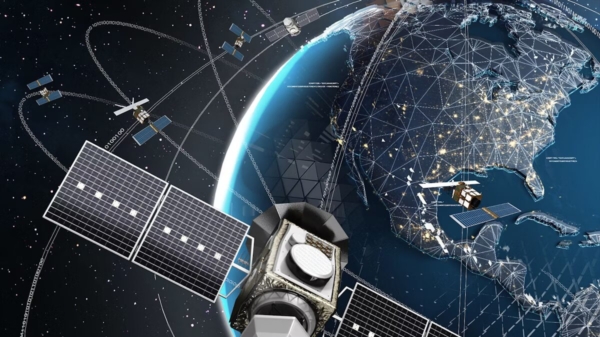
Unlocking the Future: A Deep Dive into Next Generation Satellite Communication Systems
The landscape of global connectivity is undergoing a transformative revolution, spearheaded by the advent of next generation satellite communication systems. These advanced networks are not merely an evolution but a fundamental paradigm shift, promising to deliver unprecedented speeds, ultra-low latency, and ubiquitous access to every corner of the globe. From remote villages to bustling urban centers, the promise of true global broadband is closer than ever, reshaping industries, empowering communities, and redefining what's possible in the digital age. This comprehensive guide will explore the intricate technologies, profound applications, and future potential of these groundbreaking satellite networks, providing an authoritative look into the future of space-based connectivity.
The Paradigm Shift: From Geosynchronous Giants to Agile Constellations
For decades, satellite communication was primarily dominated by Geosynchronous Earth Orbit (GEO) satellites, positioned at approximately 36,000 kilometers above the equator. While reliable for broadcasting and some data services, their immense distance inherently introduced significant latency, making them less ideal for interactive applications like real-time video conferencing or online gaming. The true revolution in next generation satellite communication systems lies in the strategic shift towards lower orbital planes.
The rise of Low Earth Orbit (LEO) satellites and Medium Earth Orbit (MEO) satellites represents a monumental leap forward. LEO satellites, orbiting at altitudes typically between 500 and 2,000 kilometers, drastically reduce signal travel time, leading to latencies comparable to terrestrial fiber networks. MEO satellites, positioned between LEO and GEO, offer a balance of coverage and latency. The deployment of vast constellation networks comprising thousands of interconnected LEO satellites is fundamentally altering the economics and performance capabilities of satellite internet, moving from a few large, expensive satellites to many smaller, mass-produced, and more agile units. This approach enhances network resilience and capacity, paving the way for truly global connectivity.
Key Technologies Driving the Revolution
- High Throughput Satellites (HTS): These satellites are designed to deliver significantly more throughput than traditional FSS (Fixed Satellite Service) satellites. HTS leverage extensive frequency reuse through multiple spot beams and advanced on-board processing, multiplying the available bandwidth and dramatically lowering the cost per bit.
- Software-Defined Satellites (SDS) and Flexible Payloads: Unlike their predecessors, next-gen satellites are increasingly software-defined, allowing for dynamic re-configuration of their beams, frequencies, and power levels while in orbit. This flexibility enables operators to adapt to changing market demands, shift capacity to high-demand areas, and even implement new services without launching new hardware.
- Inter-Satellite Links (ISL): A critical innovation for LEO constellations, ISLs allow satellites to communicate directly with each other using optical (laser) links, eliminating the need for signals to constantly bounce down to ground stations and back up. This reduces latency, extends coverage over oceans and remote areas, and creates a true mesh network in space.
- Phased Array Antennas and Beamforming: Advanced antenna technology, particularly in user terminals, allows for electronic steering of beams without physical movement. This is crucial for tracking fast-moving LEO satellites and enables sophisticated beamforming technology on the satellite side to precisely direct capacity where it's needed most.
Unlocking Unprecedented Performance: Speed, Latency, and Capacity
The performance metrics of next generation satellite communication systems are set to redefine expectations. Gone are the days of slow, unreliable satellite connections. The focus is now on delivering speeds that rival, and in some cases exceed, terrestrial broadband, coupled with latency figures that support real-time applications.
Optimized Spectrum Management and Frequency Bands
Efficient use of the electromagnetic spectrum is paramount. While traditional satellite systems often utilized C-band and Ku-band, next-gen systems are increasingly leveraging higher frequencies like Ka-band, Q-band, and V-band. These higher frequencies offer significantly more available bandwidth, crucial for achieving multi-gigabit per second speeds. However, they are more susceptible to atmospheric attenuation (e.g., rain fade), necessitating advanced mitigation techniques such as adaptive coding and modulation, and diverse ground station networks.
Dynamic Resource Allocation and Network Slicing
The true power of next generation satellite communication systems lies in their ability to dynamically allocate resources. Through sophisticated network management software and the flexibility of SDS, operators can adjust bandwidth, power, and coverage in real-time. This dynamic allocation is vital for optimizing performance across a diverse set of applications, from high-speed internet for homes to low-power IoT device communication. Furthermore, the concept of network slicing, borrowed from 5G terrestrial networks, is being applied to satellite systems, allowing for the creation of virtual, isolated network segments tailored to specific customer needs or service level agreements (SLAs).
Actionable Tip: Businesses considering satellite connectivity should evaluate providers based not just on advertised peak speeds, but also on average latency, committed information rates (CIR), and the resilience features of their constellation, such as inter-satellite links and redundant ground infrastructure.
Applications Beyond Traditional Boundaries
The enhanced capabilities of next generation satellite communication systems are opening up a myriad of new applications, extending connectivity and services to areas previously underserved or unreachable. This expansion is critical for bridging the global digital divide and enabling a truly connected world.
Global Broadband Internet and 5G Backhaul
The most widely recognized application is the provision of high-speed, low-latency satellite broadband directly to consumers and businesses globally. This is particularly impactful in rural, remote, and underserved areas where terrestrial infrastructure is prohibitively expensive or impossible to deploy. Moreover, these systems are becoming a crucial component of 5G backhaul, connecting remote 5G base stations to the core network, ensuring seamless mobile connectivity even in challenging terrains or during disaster recovery efforts. This integration enhances the overall resilience and reach of global telecommunications infrastructure.
IoT, AI, and Edge Computing in Space
The ability to deploy vast LEO constellations facilitates mass connectivity for the Internet of Things (IoT). From tracking shipping containers to monitoring environmental sensors in remote locations, satellite IoT provides reliable, global coverage. Beyond simple data relay, the concept of edge computing in space is gaining traction. By processing data directly on the satellite or a nearby space platform, latency is further reduced, and bandwidth requirements for transmitting raw data back to Earth are minimized. This enables real-time AI analytics for applications like precision agriculture, maritime surveillance, and climate monitoring, making satellite networks an intelligent backbone for a hyper-connected world.
Disaster Recovery and Remote Area Connectivity
In times of natural disaster, terrestrial communication infrastructure is often the first casualty. Next generation satellite communication systems offer an invaluable, immediate, and resilient alternative. Deployable terminals can quickly restore essential communication services for emergency responders, humanitarian aid, and affected populations. For industries operating in remote environments such as mining, oil and gas, or maritime shipping, satellite connectivity provides the primary link for operational data, crew welfare, and safety communications, ensuring continuous operations regardless of location.
Challenges and the Path Forward for Satellite Innovation
While the promise of next generation satellite communication systems is immense, their deployment and sustained operation come with significant challenges that require innovative solutions and global cooperation.
Ground Segment Evolution and User Terminals
The transformation in space requires an equally significant evolution on the ground. Traditional large, fixed satellite dishes are being replaced by smaller, more affordable, and electronically steerable phased array antennas. These flat-panel user terminals are crucial for mass market adoption, simplifying installation and reducing visual impact. Developing cost-effective, high-performance ground segment infrastructure, including gateways and data centers, capable of handling the massive data flows from thousands of satellites, is an ongoing engineering feat. Furthermore, the integration of satellite networks into existing terrestrial IP networks requires sophisticated orchestration and routing capabilities.
Regulatory Landscape and Space Debris Mitigation
The proliferation of thousands of satellites in LEO raises critical questions about spectrum allocation, orbital slot management, and international regulation. Ensuring fair access and preventing interference is paramount. Even more pressing is the issue of space debris. Each new launch contributes to the orbital environment, increasing the risk of collisions. Operators of next generation satellite communication systems are implementing advanced collision avoidance systems, designing satellites for de-orbiting at the end of their operational life, and exploring active debris removal technologies. International collaboration and robust regulatory frameworks are essential to ensure the long-term sustainability and safety of space for future generations.
Practical Advice: Organizations planning to leverage next-gen satellite services should engage with providers that demonstrate a clear commitment to sustainable space practices and robust cybersecurity measures, given the critical nature of the data transmitted.
Internal Link Suggestion: For a deeper dive into the technical aspects of phased array antennas, consider reading our article on Advances in Satellite Antenna Technology.
The trajectory of next generation satellite communication systems is undeniably upward. With continuous innovation in satellite design, launch capabilities, and ground infrastructure, these systems are poised to become an indispensable component of the global digital ecosystem. They represent a powerful force for economic development, social inclusion, and technological advancement, promising a future where seamless, high-speed connectivity is a universal right, not a privilege.
Frequently Asked Questions
What defines a "next generation" satellite communication system?
A "next generation" satellite communication system is characterized by its fundamental shift from traditional, often geostationary, large satellites to large constellations of smaller, interconnected satellites, primarily in Low Earth Orbit (LEO) or Medium Earth Orbit (MEO). Key defining features include significantly reduced latency, dramatically increased bandwidth via High Throughput Satellites (HTS) and higher frequency bands (like Ka-, Q-, V-bands), the use of inter-satellite links (ISL) for direct satellite-to-satellite communication, and flexible, software-defined payloads. These advancements enable fiber-like speeds, global coverage, and support for real-time applications, making them vastly superior to legacy systems.
How do LEO satellites achieve lower latency compared to GEO satellites?
LEO satellites achieve significantly lower latency primarily due to their much closer proximity to Earth. While Geosynchronous Earth Orbit (GEO) satellites orbit at approximately 36,000 km, LEO satellites orbit at altitudes typically between 500 and 2,000 km. This reduced distance means the signal has a much shorter path to travel from the user terminal to the satellite and back, resulting in round-trip latencies of 20-60 milliseconds, comparable to terrestrial fiber, as opposed to 500-700 milliseconds for GEO satellites. Furthermore, the use of inter-satellite links (ISL) in LEO constellations allows data to be routed between satellites in space, further minimizing ground hops and reducing overall latency.
What are the primary applications of next generation satellite communication systems?
The primary applications of next generation satellite communication systems are extensive and diverse, driven by their enhanced performance. They include providing global broadband internet access to unserved and underserved areas, acting as crucial 5G backhaul for remote cell towers, enabling ubiquitous connectivity for the Internet of Things (IoT), facilitating edge computing in space for real-time data processing, and offering resilient communication solutions for disaster recovery and remote operations in industries like maritime, aviation, and energy. Their low latency and high bandwidth make them suitable for interactive applications, cloud services, and even gaming, broadening their appeal far beyond traditional satellite use cases.
What are the main challenges facing the widespread adoption of these systems?
Despite their immense potential, the widespread adoption of next generation satellite communication systems faces several challenges. Key among these are the high initial capital investment required for deploying and maintaining massive satellite constellations and associated ground infrastructure. The development of affordable, high-performance user terminals (especially phased array antennas) is crucial for consumer adoption. Regulatory hurdles related to spectrum allocation and international coordination for orbital slots also exist. Furthermore, the increasing concern over space debris and ensuring the long-term sustainability of orbital environments demands robust mitigation strategies and international cooperation to prevent collisions and maintain a clean space environment for future operations.

0 Komentar