
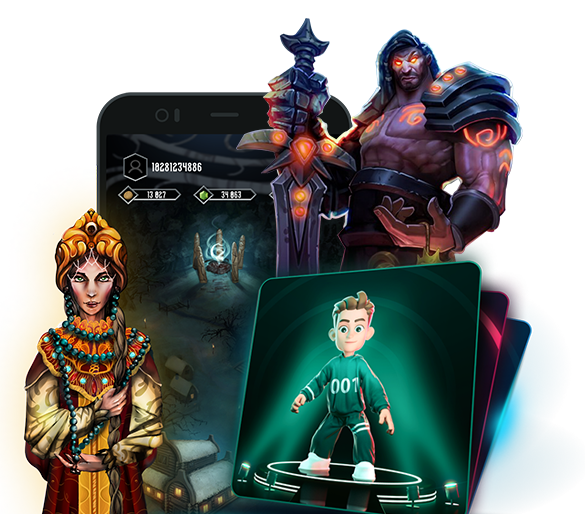
Unlocking the Future: A Deep Dive into NFT Gaming Platforms and Play-to-Earn Games
The digital landscape is rapidly evolving, and at its forefront lies the revolutionary intersection of gaming and blockchain technology. NFT gaming platforms are fundamentally reshaping how we interact with virtual worlds, introducing an unprecedented era where players can truly own their in-game assets and earn tangible rewards. This comprehensive guide explores the intricate world of play-to-earn games, detailing their mechanics, benefits, and the essential considerations for anyone looking to dive into this burgeoning digital economy. Discover how these innovative platforms are empowering gamers worldwide, transforming leisure into a legitimate source of income and paving the way for a decentralized gaming future.
Understanding the Paradigm Shift: What are NFT Gaming Platforms?
Traditionally, in-game items, characters, and achievements were merely digital representations controlled by game developers. Players spent countless hours and often real money acquiring items they never truly owned. NFT gaming platforms disrupt this model by integrating Non-Fungible Tokens (NFTs) directly into game mechanics. An NFT is a unique digital asset stored on a blockchain, verifying its authenticity and ownership. In the context of gaming, this means every sword, skin, character, or plot of virtual land can be a unique, verifiable NFT, granting players true ownership.
These platforms leverage blockchain technology to create transparent, secure, and player-centric ecosystems. Unlike traditional games, where assets are confined to a single game’s servers, NFTs can often be traded, sold, or even used across different games within the same blockchain ecosystem, fostering a true digital economy. This shift from "pay-to-play" to "play-to-earn" represents a monumental change, empowering players to not only enjoy their gaming experience but also generate real-world value from their time and effort.
The Core Mechanics of Play-to-Earn (P2E) Games
At the heart of NFT gaming platforms are the play-to-earn games. These games are designed with specific mechanics that allow players to earn cryptocurrency or NFTs through gameplay. The earning potential varies significantly depending on the game's design, its tokenomics, and the broader market dynamics of its associated digital assets. Common earning mechanisms include:
- In-Game Rewards: Earning native game tokens by completing quests, winning battles, or participating in in-game events. These tokens can often be exchanged for other cryptocurrencies or fiat money.
- NFT Trading: Acquiring valuable NFTs (characters, items, land) through gameplay, breeding, or crafting, and then selling them on integrated or external NFT marketplaces for profit.
- Staking and Lending: Some platforms allow players to stake their NFTs or game tokens to earn passive income, or even lend them to other players for a fee.
- Community Governance: Holding governance tokens often grants players a say in the game's future development, sometimes rewarding them for active participation.
- Virtual Real Estate: Owning digital land within metaverse games, which can be developed, rented out, or sold for substantial gains.
The value of these digital assets is often tied to market demand, game popularity, and the utility they provide within the game's in-game economy. Understanding these mechanisms is crucial for any player looking to maximize their earning potential.
Top NFT Gaming Platforms and Their Unique Offerings
The landscape of NFT gaming platforms is diverse and rapidly expanding, with new projects emerging regularly. Each platform often hosts multiple games or offers a unique ecosystem. Here are some prominent examples and what makes them stand out:
- Axie Infinity: A pioneer in the P2E space, Axie Infinity allows players to collect, breed, battle, and trade digital creatures called Axies. Its success popularized the concept of blockchain gaming and demonstrated the viability of earning through gameplay. The game's dual-token economy (SLP and AXS) is a classic example of P2E tokenomics.
- The Sandbox: A leading metaverse platform where players can buy, sell, and build on virtual land parcels (LAND NFTs). Users can create their own games, experiences, and digital assets using VoxEdit and Game Maker tools, fostering a creator-driven virtual real estate market.
- Decentraland: Another prominent metaverse platform, similar to The Sandbox, offering virtual land ownership and a vibrant community. Players can explore, interact, and build custom experiences, hosting events and monetizing their creations.
- Gala Games: A platform aiming to put power back into the hands of gamers. Gala Games hosts a variety of Web3 gaming titles, from town-builders like Town Star to fantasy RPGs, all utilizing NFTs and blockchain technology to empower player ownership and rewards.
- Immutable X: While not a game itself, Immutable X is a Layer-2 scaling solution for NFTs on Ethereum, designed to enable gas-free, instant transactions for blockchain games. Many popular NFT games like Gods Unchained and Illuvium are built on or integrate with Immutable X, highlighting the importance of scalable infrastructure for gaming NFTs.
When evaluating platforms, consider the underlying blockchain (Ethereum, Polygon, Solana, BNB Chain, etc.), the community size, the game's development roadmap, and the stability of its associated cryptocurrencies or digital assets.
Maximizing Your Earnings in Play-to-Earn Games
While the allure of earning money by playing games is strong, success in the P2E space requires strategy and diligence. It's not simply about playing; it's about understanding the market, the game mechanics, and making informed decisions. Here are some actionable tips:
- Research Thoroughly: Before investing time or money, deeply research the game. Understand its whitepaper, team, community sentiment, and economic model. Look for games with sustainable tokenomics and a clear roadmap.
- Start Small, Learn Fast: Don't pour all your resources into one game immediately. Start with a smaller investment, understand the gameplay loop, and learn the optimal strategies for earning. Many games offer free-to-play or low-cost entry points.
- Diversify Your Portfolio: Just like traditional investments, don't put all your eggs in one basket. Explore different NFT gaming platforms and games to spread risk and potentially tap into multiple earning potential streams.
- Master Game Mechanics: The better you understand the game, the more efficient you'll become at earning. This might involve optimizing battle strategies, efficient resource gathering, or smart breeding tactics.
- Engage with the Community: Join Discord servers, Telegram groups, and forums. The community is often a rich source of information, strategies, and early warnings about market shifts or game updates. Community governance often plays a role in game development, so active participation can be rewarding.
- Monitor Market Trends: The value of NFTs and game tokens can fluctuate wildly. Stay updated on cryptocurrency prices, NFT floor prices, and overall market sentiment. Timing your sales and purchases can significantly impact your profits.
- Understand Gas Fees and Transaction Costs: On some blockchains, transactions incur gas fees. Factor these into your calculations, especially for frequent buying, selling, or breeding activities. Platforms like Immutable X aim to minimize these costs.
- Be Aware of Scams and Rug Pulls: The P2E space is still nascent and can be susceptible to scams. Always verify project legitimacy, avoid suspicious links, and never share your private keys.
Success in play-to-earn games often comes down to a blend of gaming skill, economic understanding, and strategic thinking. Treat it like a venture, not just a game.
The Future of Gaming: Web3, Metaverse, and Decentralized Finance (DeFi) Integration
The evolution of NFT gaming platforms is inextricably linked with the broader trends of Web3 and the metaverse. Web3, the next iteration of the internet, emphasizes decentralization, user ownership, and blockchain-powered applications. NFT games are a prime example of Web3 in action, giving players true ownership over their digital assets and participation in decentralized economies.
The concept of the metaverse, a persistent, shared virtual space, is also being heavily influenced by NFT gaming. Platforms like The Sandbox and Decentraland are building foundational metaverse experiences where users can not only play but also create, socialize, and conduct business. This vision of an interconnected digital realm, powered by NFTs and cryptocurrencies, promises entirely new forms of interaction and monetization. Imagine owning a piece of virtual land in one game, building a gallery for your NFTs, and then having that gallery accessible from another metaverse platform – this is the future these technologies are striving for.
Furthermore, the integration of decentralized finance (DeFi) elements is adding another layer of sophistication to NFT gaming. Players can stake their game tokens in liquidity pools, borrow against their NFTs, or even participate in yield farming within game ecosystems. This convergence blurs the lines between gaming, finance, and social interaction, creating robust and self-sustaining in-game economies. The rise of DAOs (Decentralized Autonomous Organizations) in gaming also means that many P2E games are governed by their communities, giving players a direct say in the game's evolution and ensuring a truly player-centric future.
Challenges and Opportunities in the P2E Ecosystem
While the potential of NFT gaming platforms is immense, the ecosystem faces several challenges:
- Scalability: High transaction volumes can burden blockchains, leading to slow speeds and high gas fees. Layer-2 solutions and new blockchain developments are addressing this.
- Sustainability of Economic Models: Many early P2E games struggle with long-term economic sustainability, often facing inflation of in-game tokens. Developers are continuously experimenting with new tokenomics models.
- User Experience: The onboarding process for many blockchain games can be complex, requiring cryptocurrency wallets, understanding gas fees, and navigating marketplaces. Simplifying UX is crucial for mass adoption.
- Regulatory Uncertainty: The evolving regulatory landscape for cryptocurrencies and NFTs poses challenges for game developers and players alike.
- Security Risks: Smart contract vulnerabilities and phishing scams remain a threat, requiring users to exercise extreme caution.
Despite these hurdles, the opportunities are vast. The ability to create new forms of entertainment, empower players, and build genuinely decentralized digital economies positions play-to-earn games at the forefront of digital innovation. As the technology matures and user experience improves, NFT gaming is poised for mainstream adoption, fundamentally changing the relationship between players, developers, and digital assets.
Frequently Asked Questions About NFT Gaming Platforms
What is the primary difference between traditional games and NFT gaming platforms?
The primary difference lies in asset ownership and monetization. In traditional games, players typically do not own their in-game assets; they merely license them from the game developer. NFT gaming platforms, however, leverage blockchain technology to represent in-game items, characters, or land as unique NFTs, granting players true, verifiable ownership. This enables players to buy, sell, or trade these digital assets on open marketplaces, potentially earning real-world value from their gameplay, a concept central to play-to-earn games.
How do play-to-earn games generate income for players?
Players in play-to-earn games can generate income through various mechanisms. This often includes earning native game cryptocurrencies by completing quests, winning battles, or participating in events. These tokens can then be sold on cryptocurrency exchanges. Additionally, players can acquire valuable NFTs through gameplay, crafting, or breeding, and then sell these unique gaming NFTs on dedicated marketplaces. Some games also allow for passive income generation through staking, lending, or renting out virtual land or assets, contributing to a dynamic in-game economy.
Is it expensive to start playing NFT games?
The entry cost for NFT gaming platforms varies significantly. Some games, particularly early pioneers like Axie Infinity, required a substantial initial investment to acquire the necessary NFTs (e.g., Axies). However, the market has evolved, and many new Web3 gaming projects offer free-to-play options, scholarship programs (where existing players lend assets to new players for a share of earnings), or very low-cost entry points. It's crucial to research each game's specific requirements and consider the potential return on investment before committing funds.
What are the risks associated with investing in NFT gaming?
Investing in NFT gaming platforms carries several risks. The value of in-game NFTs and associated cryptocurrencies can be highly volatile, subject to market fluctuations, game popularity, and overall crypto market trends. There's also the risk of unsustainable tokenomics models, leading to inflation or devaluation of in-game assets. Security risks, such as smart contract vulnerabilities or phishing scams, are also present. Furthermore, the nascent regulatory environment for blockchain gaming adds an element of uncertainty. Always conduct thorough due diligence and only invest what you are prepared to lose.

0 Komentar