
Unlocking the True Cost of IoT Smart Home Security System Installation: A Comprehensive Guide
Embarking on the journey to secure your sanctuary with an IoT smart home security system is a wise decision in today's interconnected world. But before you dive in, a critical question often arises: "What is the actual IoT smart home security system installation cost?" This isn't a one-size-fits-all answer, as the investment can vary significantly based on numerous factors, from the complexity of the system to the type of monitoring you choose. Understanding these variables is key to budgeting effectively and ensuring your home is protected without breaking the bank. This comprehensive guide will meticulously break down every element influencing the cost, providing you with the insights needed to make an informed decision and achieve unparalleled peace of mind.
Understanding IoT Smart Home Security Systems
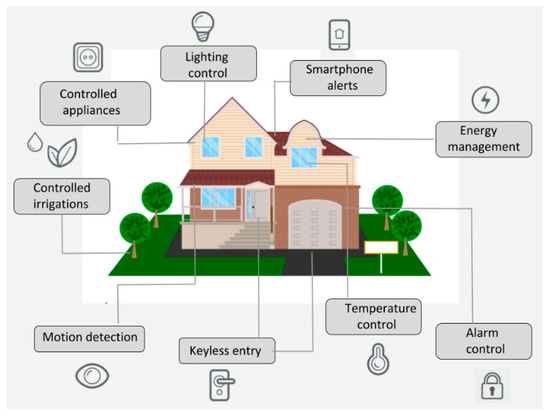
An IoT smart home security system leverages the Internet of Things (IoT) to create an integrated network of devices that communicate with each other and with you, often via a central hub or smartphone app. Unlike traditional security setups, these systems offer advanced features, remote access, and seamless integration with other smart home devices, creating a truly automated and responsive security perimeter. The core goal is to provide real-time alerts, remote monitoring, and proactive defense against potential threats. This interconnectedness is what defines an IoT system, making it a powerful tool for modern home protection.
Core Components Influencing Cost
The total smart home security system pricing is heavily influenced by the specific components you choose to include. Each element serves a distinct purpose and contributes to the overall security posture:
- Smart Hub/Control Panel: This is the brain of your system, connecting all devices and allowing for central control. Costs vary based on features, connectivity options (Wi-Fi, cellular, Z-Wave, Zigbee), and processing power.
- Wireless Security Cameras: Indoor, outdoor, doorbell cameras – these are crucial for visual surveillance. Factors like resolution (1080p, 4K), night vision, two-way audio, cloud storage, and advanced analytics (e.g., facial recognition, package detection) significantly impact their price.
- Motion Sensors: Detect movement within defined zones. Basic passive infrared (PIR) sensors are common, while more advanced ones can differentiate between pets and humans, reducing false alarms.
- Door/Window Sensors: Alert you when an entry point is opened. Magnetic contact sensors are standard, with more sophisticated versions offering vibration detection or glass-break sensing.
- Smart Locks: Keyless entry, remote locking/unlocking, and integration with the security system. These can range from basic keypad locks to advanced biometric models.
- Alarms and Sirens: Audible deterrents that activate upon intrusion detection. Some systems include integrated sirens, while others allow for external, louder options.
- Environmental Sensors: While not strictly "security," smoke detectors, carbon monoxide detectors, and flood sensors often integrate seamlessly, adding another layer of safety and impacting the overall cost.
- Key Fobs and Keypads: Convenient ways to arm/disarm the system.
Factors Driving IoT Smart Home Security System Installation Cost
The journey from considering an IoT smart home security system to its full installation involves navigating several cost-determining factors. Understanding these elements is crucial for accurate budgeting and avoiding unexpected expenses.
System Type: DIY vs. Professional Installation
One of the most significant decisions impacting the installation fees is whether you opt for a Do-It-Yourself (DIY) setup or professional installation services.
- DIY Security Systems:
- Lower Upfront Labor Cost: You save on professional installation charges as you handle the setup yourself.
- Equipment Purchase: You typically buy all the equipment outright, which can be a higher initial outlay compared to some professionally installed systems that might subsidize equipment costs with monitoring contracts.
- Complexity: Requires some technical aptitude and time to install, configure, and troubleshoot.
- Limited Support: Relies on manufacturer support, which might not be as comprehensive as dedicated professional assistance.
- Flexibility: You have full control over component selection and future upgrades.
- Professional Security Services:
- Higher Initial Cost (Often): Includes labor charges for expert installation, which can range from a few hundred to over a thousand dollars depending on system complexity and home size.
- Expertise: Installers ensure optimal placement of sensors and cameras, proper wiring (if applicable), and seamless integration.
- Warranty/Support: Often comes with warranties on equipment and installation, plus dedicated customer support.
- Convenience: Saves you time and effort.
- Contractual Obligations: Many professional services are tied to long-term monitoring contracts, which can affect the overall long-term cost.
Equipment Quality and Brand
Just like any technology, the brand and quality of your chosen equipment play a substantial role in the equipment costs. Premium brands like Arlo, Ring (owned by Amazon), Google Nest, SimpliSafe, and ADT offer robust features, superior build quality, and often more advanced analytics, but come with a higher price tag. Budget-friendly options exist, but might compromise on features, durability, or integration capabilities. For instance, a basic 1080p wireless security camera might cost $50-$100, while a 4K camera with advanced AI detection could be $200-$400 or more. Similarly, smart locks can range from $150 to $500+ depending on features like fingerprint readers or Z-Wave compatibility.
Number of Devices and Coverage Area
The size of your home and the number of entry points, windows, and areas you wish to monitor directly impact the quantity of sensors and cameras needed. A small apartment might only require a few door/window sensors and one indoor camera, keeping costs low. A large, multi-story house with numerous access points, outbuildings, or a desire for extensive outdoor surveillance will naturally require more devices, driving up the total IoT security system pricing. Each additional sensor, camera, or smart lock adds to the material cost.
Professional Monitoring Services
Beyond the initial hardware and installation, ongoing home security monitoring fees represent a significant portion of the total investment. These are typically monthly or annual subscription plans.
- Self-Monitoring: No recurring fees, but you are responsible for monitoring alerts and contacting emergency services.
- Basic Professional Monitoring: Often includes 24/7 monitoring by a central station, which contacts you and emergency services upon alarm activation. Costs typically range from $15 to $30 per month.
- Advanced Professional Monitoring: May include cellular backup (for internet outages), video verification, cloud storage for camera footage, and integration with smart home automation routines. These plans can cost $30 to $60+ per month.
Additional Smart Home Integrations
The beauty of an IoT system lies in its ability to integrate with other smart home devices. If you plan to connect your security system with smart lighting, smart thermostats, voice assistants (like Amazon Alexa or Google Assistant), or smart plugs, there might be additional costs for these devices. While not direct security costs, they enhance the overall home automation and can be part of a holistic smart home investment. For example, setting up lights to turn on when a motion sensor is triggered adds convenience and can deter intruders, but requires smart lighting fixtures.
Labor Costs (Professional Installation)
For those opting for professional installation, labor costs are a key component. These costs vary based on:
- Geographic Location: Labor rates differ significantly by region and city.
- System Complexity: A simple wireless system might take a few hours, while a wired system requiring drilling and extensive cable routing will take longer and cost more.
- Home Size and Layout: Larger homes or those with challenging layouts (e.g., thick walls, multiple floors) can increase installation time.
- Installer Expertise: Highly experienced or specialized installers might charge more.
Expect professional installation fees to range from $100 to $800+, with complex installations potentially exceeding $1,000.
Average Cost Breakdown for IoT Smart Home Security Systems
To provide a clearer picture, let's look at some average cost ranges for different tiers of IoT smart home security system installation.
Basic DIY Setup Costs
For those comfortable with self-installation and seeking fundamental protection, a DIY setup is the most budget-friendly option.
- Equipment: A basic starter kit typically includes a hub, 2-3 door/window sensors, and 1 motion sensor. This can range from $150 to $400.
- Add-ons: An additional indoor camera ($50-$150), a video doorbell ($100-$250).
- Installation: Free (your labor).
- Monitoring: Often self-monitored, or basic professional monitoring for $15-$25/month.
Mid-Range Professional Installation Costs
This tier typically involves a professionally installed system with a good balance of features and ongoing monitoring.
- Equipment: More extensive kits including a robust hub, 5-10 sensors, 2-3 cameras (indoor/outdoor), and possibly a smart lock. Equipment costs can be $400 to $1,500, sometimes subsidized by monitoring contracts.
- Professional Installation: $200 to $600, depending on complexity and location.
- Monitoring: Professional 24/7 monitoring plans typically range from $30 to $50 per month.
High-End Comprehensive Systems
For maximum coverage, advanced features, and seamless smart home automation, a high-end system represents a significant investment.
- Equipment: Premium-grade components, including advanced AI cameras, multiple smart locks, environmental sensors, comprehensive perimeter protection, and integration with a full suite of smart home devices. Equipment costs can easily exceed $1,500 to $5,000+.
- Professional Installation: Due to the complexity and number of devices, installation can range from $500 to $1,500+.
- Monitoring: Top-tier professional monitoring, often with cellular backup, video verification, and advanced smart home integration, can cost $50 to $80+ per month.
Actionable Tips for Managing Installation Costs
Navigating the various options can seem daunting, but here are some practical tips to help you manage the IoT smart home security system installation cost effectively:
- Compare Quotes from Multiple Providers: Don't settle for the first offer. Obtain detailed quotes from at least three different security companies or assess different DIY brands. Compare not just the initial cost but also the long-term monitoring fees and contract terms.
- Evaluate DIY vs. Professional Honestly: Assess your technical comfort level and available time. If you're tech-savvy and enjoy hands-on projects, a DIY system can save substantial labor costs. If you prefer convenience, expert setup, and dedicated support, professional installation is worth the investment.
- Consider Phased Installation: You don't have to secure your entire home at once. Start with a basic kit covering primary entry points and add more cameras, sensors, or smart locks over time as your budget allows. This helps spread out the security system setup price.
- Look for Package Deals and Promotions: Many providers offer bundled equipment and installation deals, especially during holidays or promotional periods. Keep an eye out for these to reduce your initial outlay.
- Check for Insurance Discounts: Installing a monitored security system often qualifies you for discounts on your homeowner's insurance policy. This can offset a portion of your monthly monitoring fees, improving the long-term ROI of your home security investment.
- Prioritize Needs vs. Wants: Determine your essential security requirements first. Do you need 4K cameras with facial recognition, or will standard 1080p cameras suffice? Do you need a smart lock on every door, or just the main entry? Prioritizing helps prevent overspending on unnecessary features.
- Understand Contract Terms: If opting for professional monitoring, carefully read the contract. Look for cancellation fees, contract lengths, and any clauses about equipment ownership after the contract ends.
Maximizing Value Beyond the Initial Investment
While the IoT smart home security system installation cost is a primary concern, it's equally important to consider the long-term value and benefits. A well-chosen system offers more than just intrusion detection; it provides genuine peace of mind and can even enhance your home's overall efficiency and convenience. Modern IoT systems often feature:
- Remote Access and Control: Manage your system from anywhere via a smartphone app. Arm/disarm, view live camera feeds, and receive real-time alerts.
- Smart Home Automation: Integrate with smart lights, thermostats, and other devices to create automated routines. For example, lights turning on if motion is detected, or the thermostat adjusting when the system is armed away. This adds to the appeal of smart home automation.
- Environmental Monitoring: Beyond security, many systems include smoke, carbon monoxide, and flood detection, offering comprehensive safety.
- Property Value Enhancement: A modern, integrated security system can be an attractive feature for potential buyers, potentially increasing your home's resale value.
- Deterrence: Visible security cameras and yard signs act as powerful deterrents to potential intruders, often preventing incidents before they occur.
Considering these benefits, the investment in an IoT smart home security system goes beyond a mere expense; it's a strategic enhancement to your lifestyle and property value, protecting your assets and, more importantly, your loved ones.
Frequently Asked Questions
What is the typical lifespan of an IoT security system?
The typical lifespan of an IoT smart home security system can vary, but generally, the core components like the hub and control panel are designed to last 5-10 years. Sensors and cameras, being more exposed to wear and tear or battery dependency, might need replacement or battery changes every 3-5 years. Software updates and continued manufacturer support are crucial for longevity and maintaining effective cybersecurity threats protection. Investing in reputable brands often ensures longer support and product durability.
Are there hidden costs associated with smart home security?
While most major costs are upfront or part of clear monthly subscription plans, some less obvious costs can emerge. These might include:
- Battery Replacements: Sensors and wireless devices rely on batteries, which need periodic replacement.
- Cloud Storage Fees: Many camera systems charge monthly fees for storing video footage in the cloud.
- Cellular Backup Fees: If your system uses a cellular connection for monitoring (in case of internet outage), this is often an extra monthly charge.
- Permit Fees: Some municipalities require permits for security systems, incurring a small one-time fee.
- False Alarm Fines: Repeated false alarms can lead to fines from local police departments.
Can I integrate my existing smart devices with a new IoT security system?
It depends on the compatibility of your existing smart devices and the new IoT smart home security system. Many modern security systems are designed to be ecosystem-agnostic or support common protocols like Z-Wave, Zigbee, or Wi-Fi, allowing integration with popular smart home platforms like Apple HomeKit, Google Home, or Amazon Alexa. However, proprietary systems might have limited compatibility. It's crucial to check the specifications and supported integrations before purchasing to ensure your smart home automation vision can be fully realized. For instance, a Ring system will integrate seamlessly with other Ring or Amazon products, but might be less compatible with Google Nest devices.
Is professional monitoring really necessary, or can I just self-monitor?
The choice between self-monitoring and professional monitoring depends on your personal preferences, budget, and level of risk tolerance.
- Self-monitoring means you receive alerts directly on your smartphone and are responsible for contacting emergency services. It's cost-effective (no monthly fees) but requires you to be constantly vigilant and available to respond.
- Professional monitoring involves a central station receiving alerts and dispatching emergency services on your behalf. This provides continuous coverage, even when you're unavailable, offering a higher level of peace of mind and often faster response times. While it incurs monthly home security monitoring fees, many consider it a worthwhile investment for enhanced protection.

0 Komentar